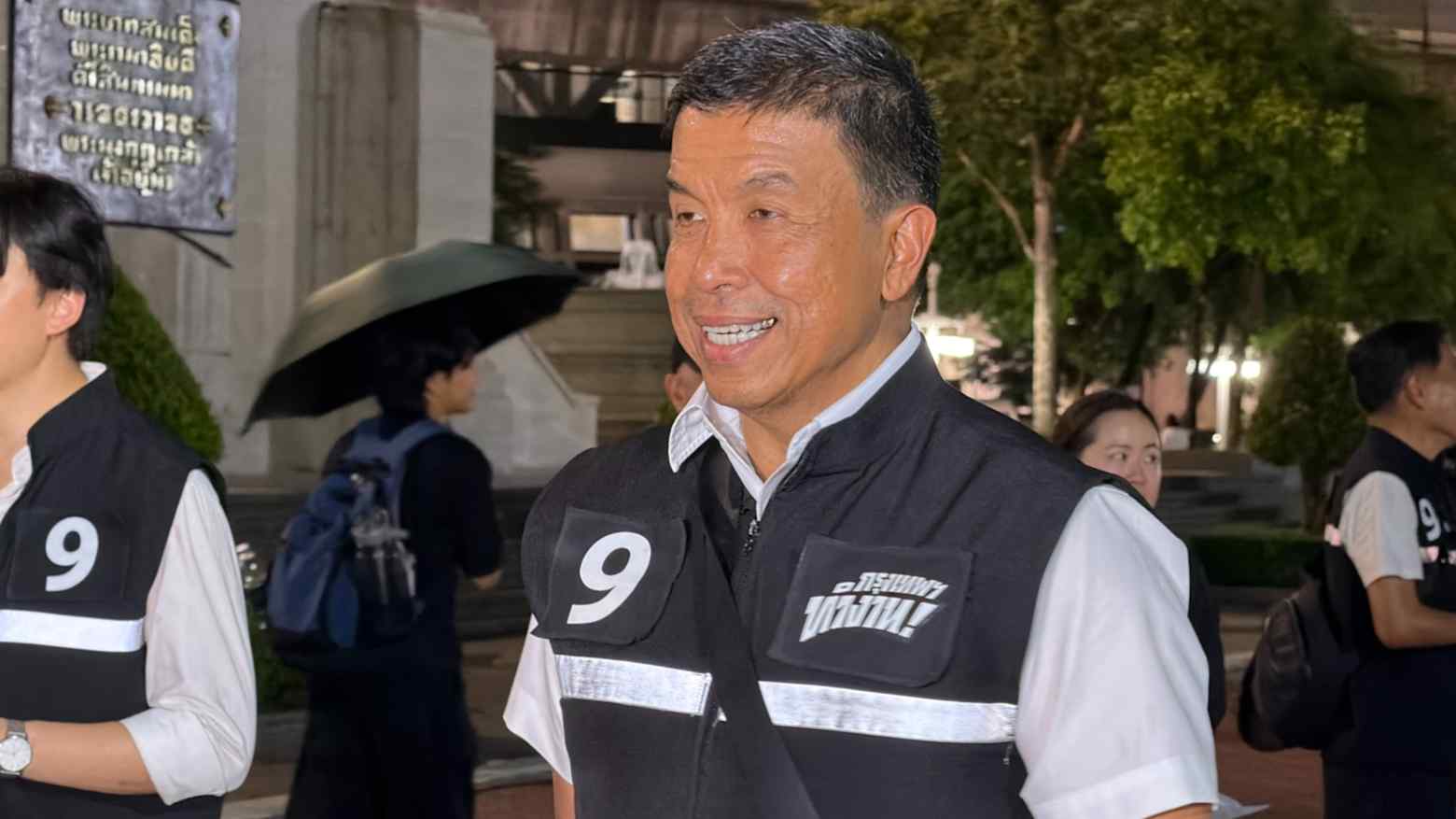
Bangkok has chosen continuity. Voters in the Thai capital returned Chadchart Sittipunt to the governor's office for a second term, handing him a commanding share of the vote and a clear mandate to keep going on the practical, street level approach that defined his first four years.
The result, decided in the June 28 election, gave Chadchart more than 60 percent of the vote, a margin wide enough to settle the contest early and to confirm that his style of governing still resonates with the city. A former transport minister, he first won the post in 2022 in a landslide that made him one of the most closely watched local leaders in the country.
A campaign built on lists, not slogans
Chadchart has never run on grand promises. His pitch has always been granular, a long catalog of small fixes that add up to a city that works better day to day. This time he campaigned on a platform of 260 points, ranging from economic revitalization to the unglamorous business of drainage, walkways, parks, and public services.
That focus on the ordinary is precisely what built his appeal. In a political landscape often dominated by national drama, he positioned the governorship as a job about getting things done rather than scoring ideological points. The approach gave him a brand that crossed the usual dividing lines and let many voters see him as a manager first and a politician second.
What the first term delivered
His first term leaned heavily on visibility and follow through. He made a habit of walking the city, logging problems, and pushing agencies to respond, and he leaned on data and open reporting to show progress. Flood drainage, green space, footpaths, and the everyday friction of moving around a dense megacity were treated as core work rather than afterthoughts.
Not everything went smoothly. Bangkok's deepest problems, from traffic and air pollution to flooding during the rainy season, are bigger than any single administration can solve in four years. But the sense that City Hall was paying attention, and that a resident could see where their complaint went, helped Chadchart hold public goodwill through the term.
A signal beyond the city
A win of this size in the capital carries weight beyond local government. Bangkok is the country's political and economic center, and its governor speaks for millions of residents whose votes also matter in national contests. A decisive endorsement of a competent, low drama incumbent says something about what many urban Thais want from their leaders right now.
For Chadchart, the second term raises the bar he set for himself. The easy gains of a first administration, the quick repairs and the visible cleanups, are largely behind him. The harder test is whether he can move the structural problems that have defied Bangkok's leaders for decades.
For now the verdict from voters is plain. They looked at four years of patient, unflashy work and decided they wanted four more.