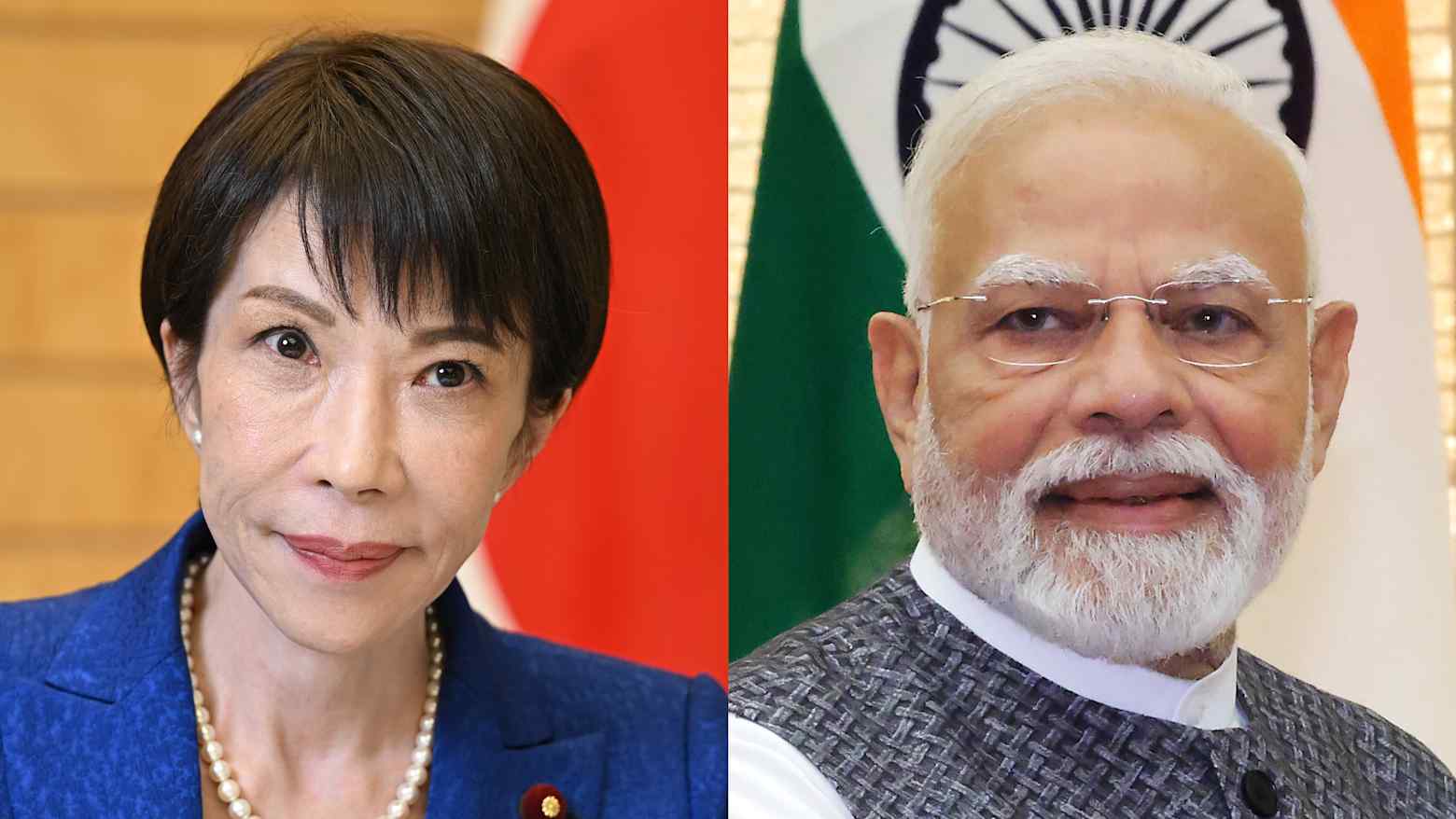
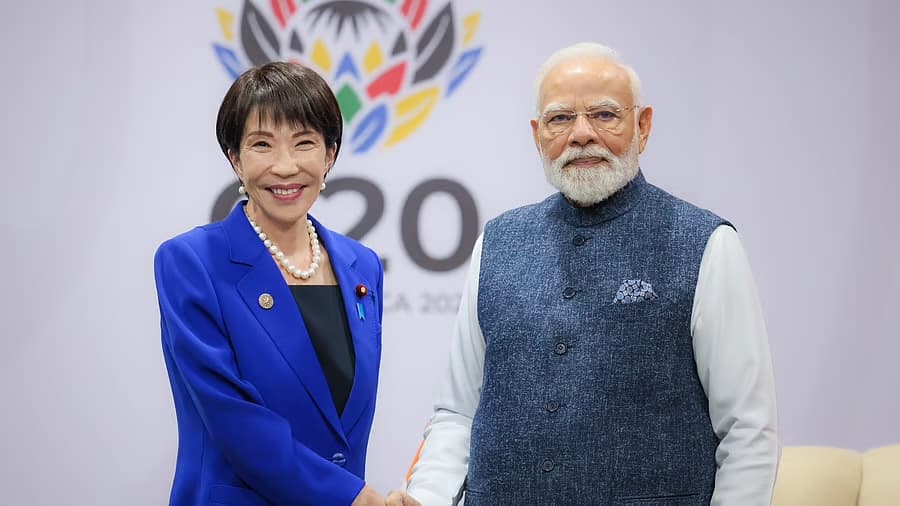
Sanae Takaichi is taking her diplomacy to New Delhi. In her first visit to India since becoming Japan's prime minister, she will sit down with Narendra Modi for the two countries' annual leaders summit, a meeting that has quietly become one of the most important fixtures on Asia's diplomatic calendar.
The trip, set for early July, is billed around economic and security cooperation. Behind that familiar language is a deeper idea, that Japan and India increasingly need each other. One brings capital, technology, and decades of industrial know how. The other offers scale, a young workforce, and a market still early in its growth.
A delegation that means business
The clearest sign of intent is who is traveling with her. More than 50 Japanese companies, including Suzuki Motor and Toyota Tsusho, are expected to join the visit. A delegation that large is not ceremonial. It reflects a real search by Japanese firms for places to expand production and to spread their supply chains beyond their current concentrations.
India has worked hard to be that destination. Government incentives for manufacturing, a push to build out infrastructure, and a vast domestic market have made the country a natural target for companies that want an alternative base in Asia. For many Japanese executives, the question is no longer whether to invest in India, but how quickly and how much.
Strategy beneath the commerce
The relationship is not only about factories and trade balances. Tokyo and New Delhi share a strategic interest in a stable, balanced region, and both have reasons to deepen ties that give them more room to maneuver. Security cooperation, from maritime issues to technology, sits naturally alongside the economic agenda.
That blend is what makes the annual summit matter. It is a chance to convert warm rhetoric into concrete projects, and to show that two of Asia's largest democracies can build something durable together rather than simply agree in principle.
The test for Takaichi
For Takaichi, the visit is also a personal proving ground. Early foreign trips set the tone for a leader, and choosing India for one of her first major journeys signals where she wants to place her bets. Success will be measured less by the communique and more by what actually moves afterward, the investments announced, the deals signed, and the follow through in the months ahead.
The summit will end with the usual statements of friendship. The real story will unfold later, in whether the ambition on display in New Delhi turns into the kind of partnership both sides keep promising.