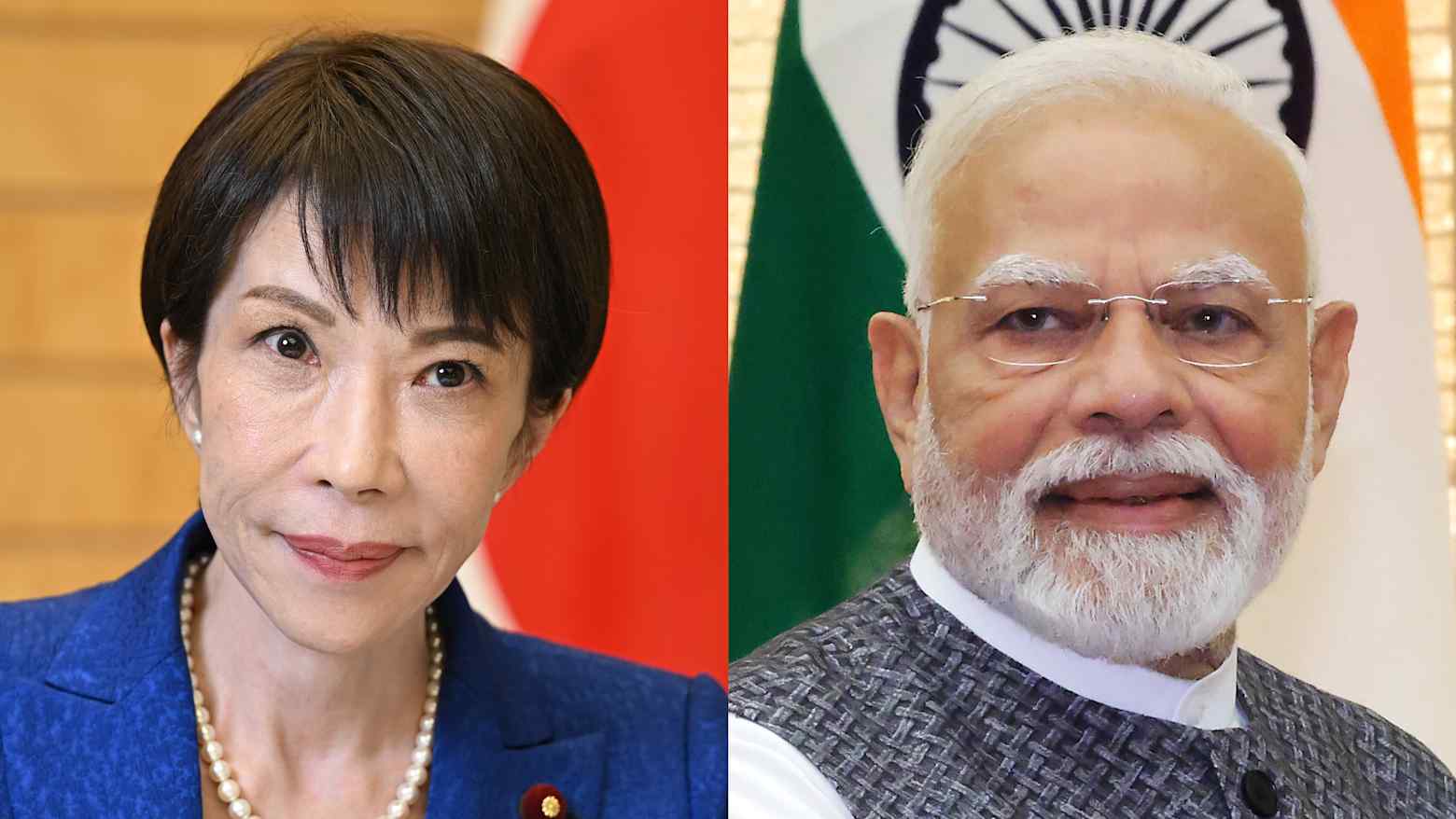
Japan and India are preparing to throw their weight behind a major clean fuel venture, with Prime Minister Sanae Takaichi and her Indian counterpart Narendra Modi set to endorse support for a hydrogen and ammonia production project during her visit to New Delhi this week.
The plan centers on a roughly 3 billion dollar effort built around Japan’s IHI and India’s ACME Group, two companies that have been moving to position themselves in the early market for low emission fuels. Backing from the two governments would give the project political cover and a clearer path to financing.
Why ammonia matters
Ammonia has drawn growing interest as a way to move and burn hydrogen without the storage headaches that come with the gas itself. Because it can be transported as a liquid and fed into power plants, it is seen by both Tokyo and New Delhi as a practical bridge toward cutting emissions from heavy industry and electricity generation.
For Japan, which imports almost all of its energy, locking in future supplies of cleaner fuel is a strategic priority. For India, the appeal lies in turning its abundant land and solar potential into an export ready industry that can attract foreign capital and technology.
A deepening partnership
The endorsement fits a broader pattern of warming ties between the two democracies, which have been steadily expanding cooperation on supply chains, infrastructure and technology as they look to reduce their reliance on any single trading partner. Energy has become one of the most active areas of that push.
By pairing an established Japanese engineering firm with a fast growing Indian developer, the venture is meant to blend Japanese know how in plant design and combustion with India’s lower cost base for renewable power, the key ingredient in producing hydrogen and ammonia with a smaller carbon footprint.
What comes next
Officials expect the agreement to be confirmed later in Takaichi’s trip, alongside talks on digital links, manufacturing and wider security cooperation. While the headline figure signals ambition, much of the real work will hinge on whether the project can prove that clean ammonia can be made and sold at a price the market is willing to pay.
If it succeeds, supporters argue it could serve as a template for similar tie ups across Asia, where governments are racing to build out fuels that promise to cut emissions without forcing industry to a halt.