A fragile truce between the United States and Iran has been tested almost as soon as it was struck. American forces hit Iranian military targets after President Donald Trump accused Tehran of breaking a week old ceasefire, raising fears that a conflict the two sides had only just paused could reignite.
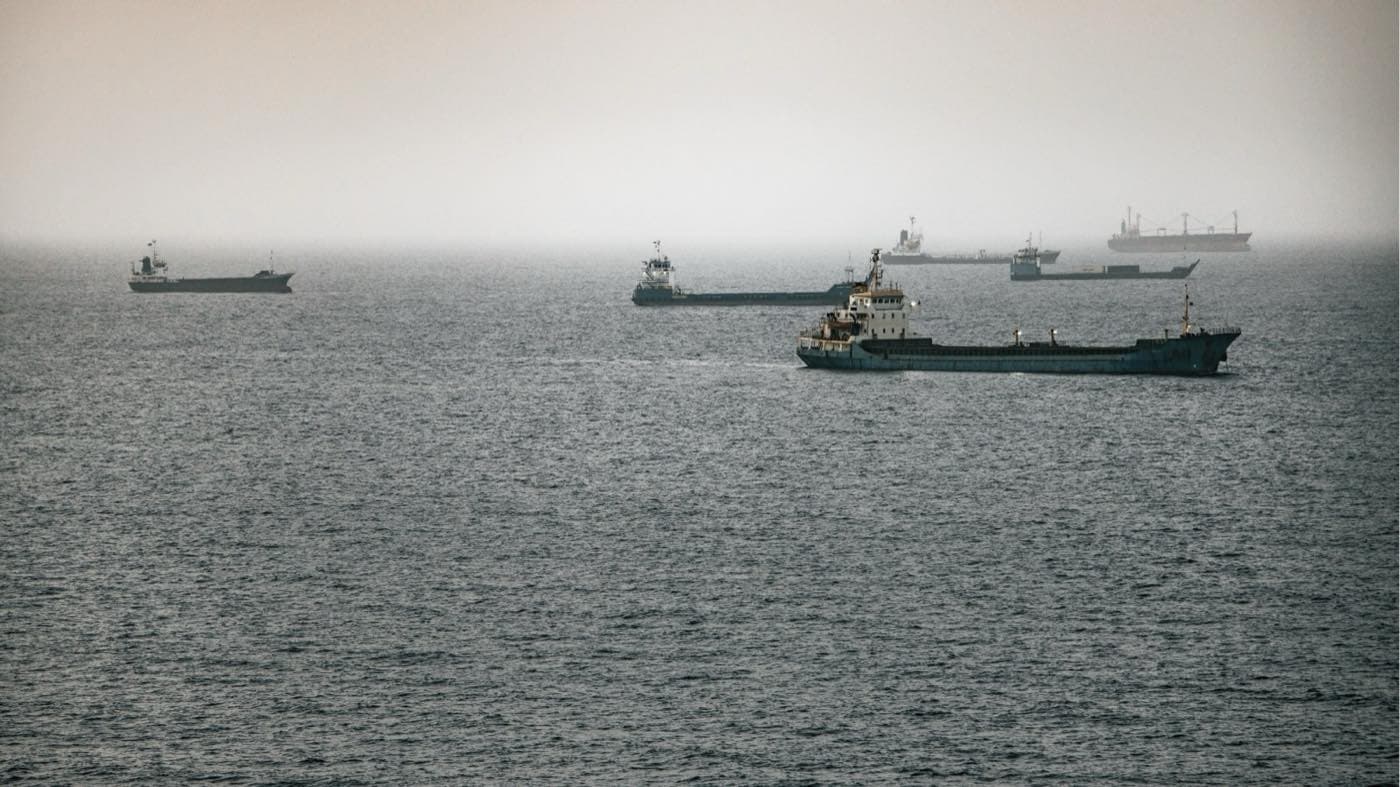
The trigger was an attack on a cargo container ship by an Iranian drone in the Strait of Hormuz. In response, the US struck Iranian missile and drone sites along with coastal radar positions. No casualties were reported from the strike on the cargo vessel, but the exchange punctured the calm that the ceasefire was meant to deliver.
A ceasefire under strain
The understanding reached a week earlier was supposed to wind down months of fighting and reopen the Strait of Hormuz, the narrow waterway through which a large share of the world's oil passes. Under the deal, the two sides gave themselves 60 days to negotiate permanent terms, including guarantees on shipping access and the future of Iran's uranium stockpile.
That window is now clouded by mistrust. Trump made clear his displeasure, saying he did not like that Iran had taken a shot, and framing the move as a breach of the agreement. For an arrangement that depends on both sides holding their fire, an incident this early is an ominous sign.
Two readings of the same event
Tehran sees it differently. A senior Iranian lawmaker who leads the parliament's security commission argued that the action was not a violation but a form of ceasefire management, insisting that the Strait of Hormuz falls under Iranian authority and that others should respect its rules.
That gap in interpretation is the heart of the danger. When one side calls an attack a breach and the other calls it enforcement, there is little shared ground to build on. Each incident risks being read as provocation, and each response risks being seen as escalation, a dynamic that can unravel a truce quickly.
The waterway at the center
The Strait of Hormuz is not just a backdrop to this standoff but its main prize. The ceasefire was meant to let stranded ships move again, and there had been progress, with a portion of the hundreds of vessels caught in the disruption beginning to exit. The latest strike threatens to reverse that, as evacuations were halted, transits thinned out, and confidence among shippers weakened once more.
For the global economy, the strait is too important to ignore. Any sustained disruption there feeds straight into energy prices and the cost of moving goods, which is why even a contained military exchange in these waters draws worldwide attention.
What comes next
The coming days will show whether the ceasefire can absorb the blow or whether it begins to come apart. Both sides have reasons to avoid a full return to war, but both have also shown they are willing to use force to make a point, and the 60 day clock to a lasting deal is still ticking.
For now the truce survives, battered but intact. The episode is a reminder of how thin the line is between a pause in fighting and a resumption of it, and how much of the world's stability can hinge on a single stretch of contested sea.