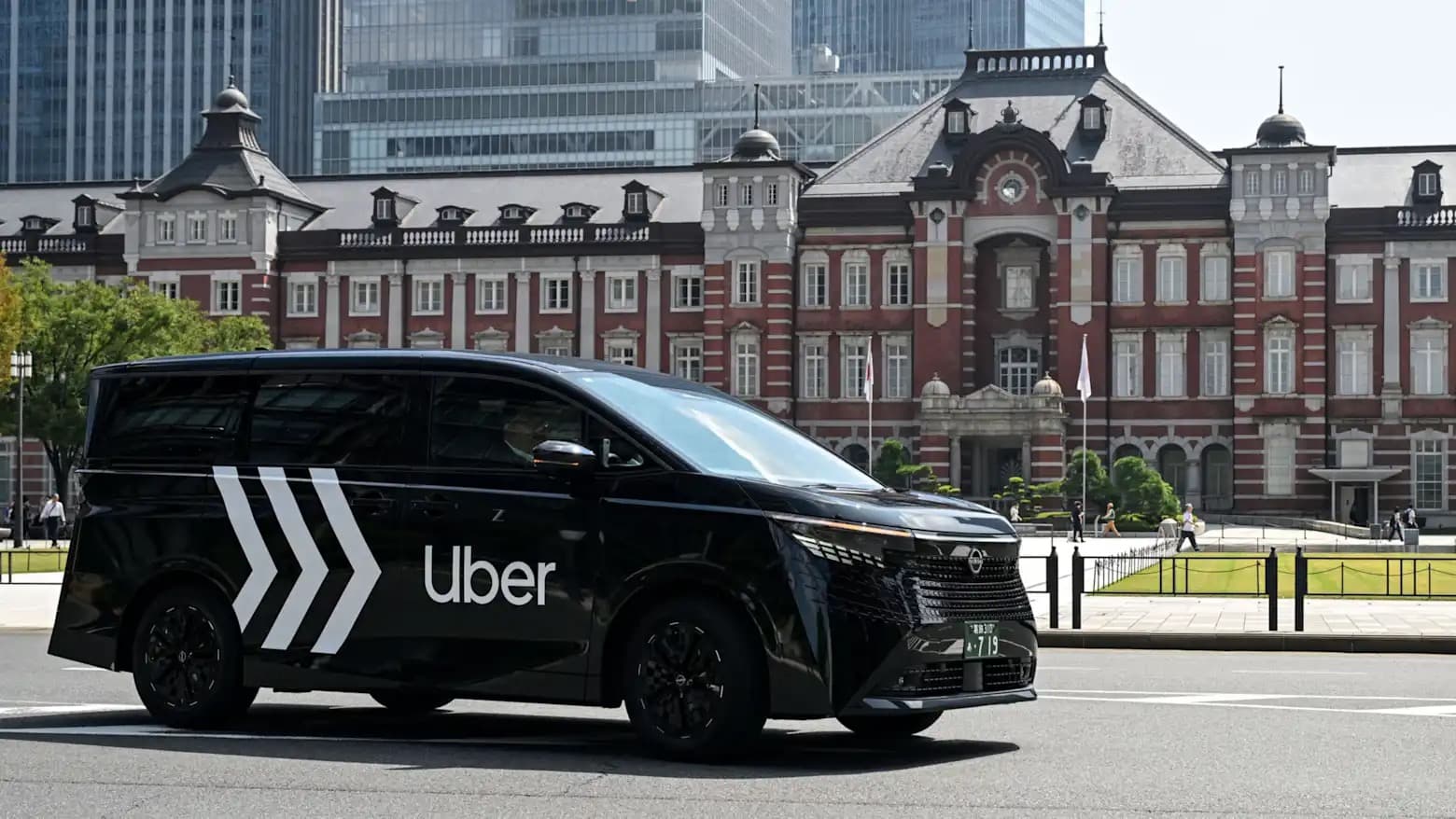
Uber and Nissan Motor unveiled a partnership in Tokyo this week to bring the automaker's newly redesigned Elgrand minivan into Uber's Japanese operations, giving the ride hailing company a fresh vehicle to anchor both its regulated taxi service and its higher end chauffeured offering. The move slots a brand new model straight into Uber's fleet just weeks after Nissan began selling the redesigned Elgrand to the public.
For Uber, the appeal is straightforward. Japan's taxi operators have struggled to get their hands on minivans that meet the company's premium standards quickly enough to keep pace with demand, and the Elgrand gives them a ready made option built specifically with that market in mind. Uber and Nissan have set up a streamlined path for taxi companies to purchase and deploy the vehicle, aiming to cut the lag between placing an order and having a driver behind the wheel.
Chasing tourists and corporate travelers
The timing lines up with a surge in both domestic and international tourism to Japan, a trend that has pushed demand for polished, spacious rides well beyond what a standard taxi can offer. Group travelers and visitors arriving with luggage in tow have increasingly turned to premium car services, and Uber is positioning the Elgrand rollout as a direct answer to that shift.
The vehicle is also expected to serve corporate travel, a segment Uber has been courting as a source of steadier, higher margin bookings than one off rides. Businesses arranging airport transfers or client pickups tend to value consistency and comfort over price, making a roomy, well appointed minivan like the Elgrand a natural fit for that kind of account.
A separate track from Uber's robotaxi work
The Elgrand deal stands apart from the robotaxi partnership Uber struck with Nissan and autonomous driving company Wayve earlier this year. That earlier agreement is focused on developing self driving vehicles for future deployment, while the Elgrand rollout is entirely about human driven, chauffeured service available right away. Keeping the two initiatives distinct lets Uber expand its premium human driven fleet in the near term without waiting on the timeline of an autonomous vehicle program.
Nissan, for its part, gains a high visibility showcase for a model it has spent considerable effort reengineering. The redesigned Elgrand went on sale to the public only weeks before the Uber partnership was announced, and having taxi and chauffeur fleets adopt it quickly gives the automaker a fast, visible route to building the car's reputation on the road rather than waiting for word of mouth among private buyers alone.
Japan's crowded ride hailing market
Uber has spent years adapting its business model to Japan's strict taxi regulations, which bar the kind of pure ride hailing service the company runs in many other markets and instead require it to partner with licensed taxi operators. Leaning into a premium vehicle tier is one of the clearer ways Uber can differentiate itself within those constraints, rather than competing purely on price or wait times against established taxi dispatch apps and rivals also chasing the same passengers.
Whether the Elgrand becomes a common sight outside Tokyo Station and other transit hubs will depend on how quickly taxi operators move to adopt it, but both companies are clearly betting that a fresh, purpose built vehicle can do more to win over premium riders than incremental tweaks to existing fleets ever could.