
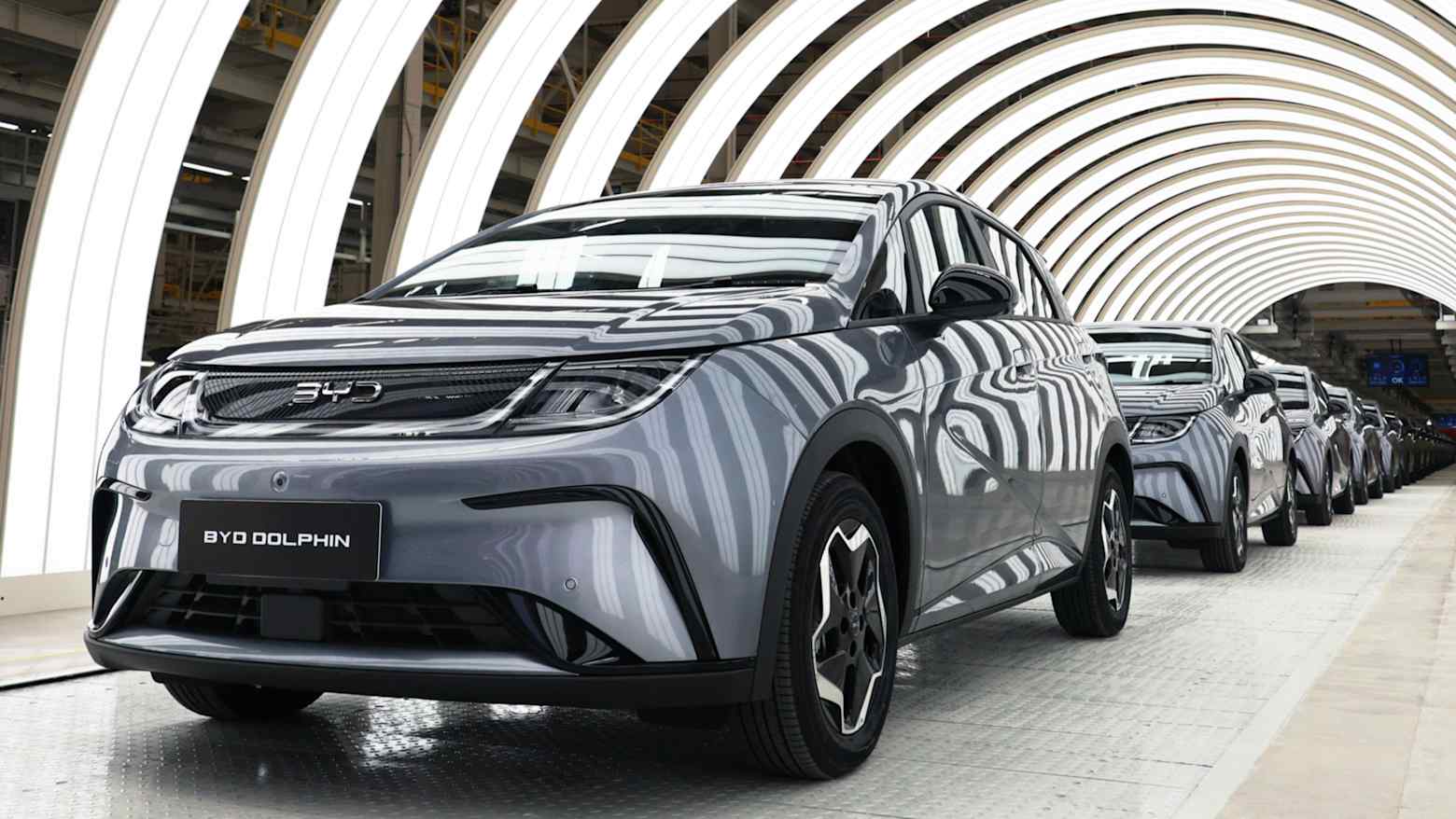
Chinese carmakers have edged past their Japanese rivals in Europe for the first time, a milestone that would have seemed improbable only a few years ago and one that has arrived despite the tariffs Brussels imposed to slow their advance.
New figures show that brands from China sold more passenger vehicles across the region than long established Japanese names during May, marking a symbolic shift in a market where marques like Toyota, Nissan and Honda have been fixtures for generations. Leading the charge is BYD, whose overseas passenger car sales surged about 70 percent in the first half of the year compared with the same stretch in 2025.
Tariffs that did not stop the tide
The European Union moved to tax imported Chinese electric vehicles in an effort to shield its own automakers and blunt a wave of low priced imports. Yet the duties have not derailed the momentum. A revival of purchase subsidies in several markets has helped keep Chinese models affordable for buyers, softening the blow of the extra levies and sustaining demand.
The result is a market that is proving far harder to wall off than policymakers hoped. Where tariffs raised the sticker price, incentives and aggressive pricing from Chinese manufacturers have pulled it back down, leaving shoppers with an ever wider menu of competitively priced electric cars.
A hard moment for Japanese brands
For Japan’s automakers, being overtaken on European soil is a pointed setback. Many were slower to embrace fully electric lineups, leaning instead on hybrids and traditional engines, and that caution has left room for newcomers to seize share. The companies that once defined reliable, affordable motoring now find themselves outmaneuvered on price and pace in a fast electrifying region.
The pressure is not confined to Europe. Chinese firms are pushing upmarket with roomier models and sport utility vehicles, while also sharpening their engineering at home, a combination that threatens Japanese strongholds across several segments at once.
What it signals for the industry
The changing order in Europe is a preview of a broader contest playing out worldwide, as Chinese manufacturers translate a head start in batteries and manufacturing scale into export muscle. Their ability to grow even against tariff walls suggests that trade barriers alone may not be enough to hold back rivals who can build compelling cars at lower cost.
For incumbents in Japan and beyond, the message is blunt. Winning back ground will likely require faster electric rollouts, sharper pricing and a willingness to compete head on with a set of challengers that have shown they can adapt to almost any obstacle put in front of them.