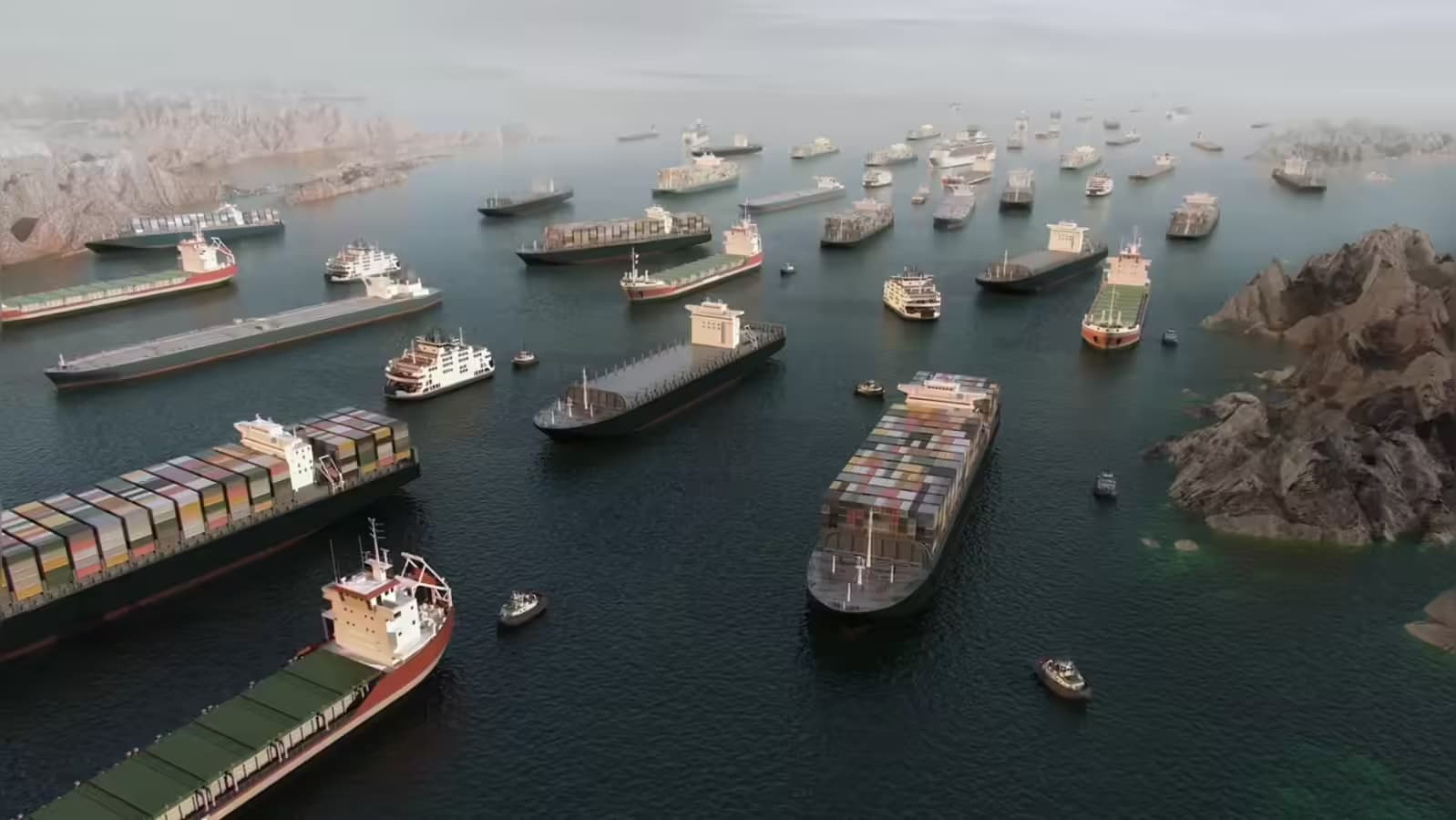
The Strait of Hormuz is one of the most important stretches of water on the planet, and one of the most nerve wracking to cross. A huge share of the world's seaborne oil passes through it, which means every flare up in the region turns a routine voyage into a calculated risk. For the ship managers who keep fleets moving, that risk has become a daily job.
These are the firms that handle the unglamorous work behind global shipping, the crewing, the routing, the safety calls, and the constant reading of conditions on the water. As tensions around Hormuz rise and fall, their decisions help determine whether cargo arrives on time or sits stranded while the world watches the headlines.
The middlemen of the sea
Ship management is invisible to most people, but it is where the practical risks of global trade get managed. Owners may hold the vessels and charterers may book the cargo, but it is the managers who decide when to sail, which route to take, and how to keep a crew safe through a contested chokepoint. In a volatile strait, that expertise is the difference between a smooth transit and a costly delay.
Chinese managed fleets have grown into a significant part of this picture, and the companies behind them have had to become fluent in geopolitics as well as logistics. Reading the mood around Hormuz, anticipating disruptions, and adjusting schedules quickly are now core skills rather than occasional emergencies.
When the water turns unpredictable
The hardest part is not danger itself but uncertainty. A strait that is calm one week and tense the next forces managers to plan for scenarios that may never arrive, while staying ready for the ones that do. Voyages get longer, schedules get tangled, and the cost of every cautious decision has to be weighed against the cost of a reckless one.
Industry voices describe the strain plainly. The crises in both the Red Sea and the Strait of Hormuz, one shipping executive noted, show how fast a maritime incident can disrupt global trade, stretch voyage times, and complicate scheduling. That unpredictability, more than any single threat, is what keeps managers on edge.
A fragile return to normal
There are signs of cautious recovery. After a period of heightened danger, traffic through Hormuz has begun to climb back, though it remains well below the levels seen before the latest disruptions. A recent understanding between Washington and Tehran has helped ease the immediate pressure, allowing some stranded ships to resume their transits.
But a partial recovery is not the same as stability. Managers know that the calm could break again, and they are building that assumption into how they plan. The lesson of the past few years is that disruption is no longer the exception on these routes, it is a condition to be managed.
Why it matters
The work these firms do rarely makes the news, yet it sits at the center of how the modern economy holds together. When a chokepoint like Hormuz wobbles, the people deciding how fleets respond are shaping the flow of energy and goods that everything else depends on.
For China's ship managers, the changing strait is both a challenge and a proving ground. The ability to keep cargo moving through uncertainty has become a competitive advantage, and in a world of fragile trade routes, that skill is only growing more valuable.