For more than a decade, Japanese fashion in Southeast Asia has been told as a single story, and that story was Uniqlo. The basics giant turned plain quality into a regional habit, opening flagship after flagship and teaching a generation of shoppers to associate Japan with clean, dependable wardrobes. Now a new wave of Japanese labels is arriving in Bangkok with a very different pitch, trading quiet minimalism for color, character, and street level hype.
Beyond the basics
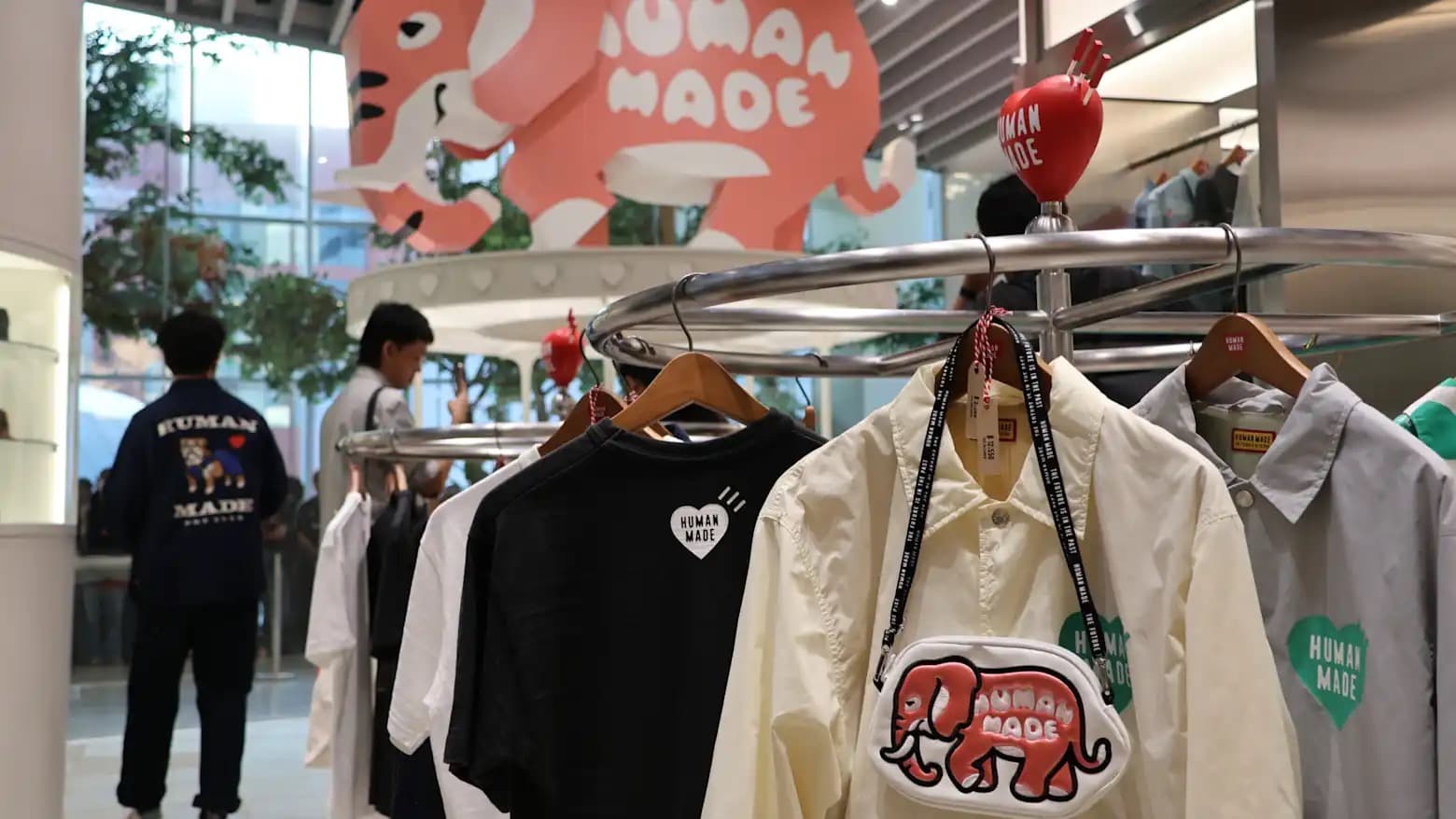
The brands moving in are not trying to be the next Uniqlo. They are betting that young Thai shoppers want personality as much as practicality, and they are bringing playful graphics, bold mascots, and limited drops to prove it. Human Made, the label known for its heart logo and cartoonish animal motifs, has leaned into the local market with designs that nod to Thailand itself, including an elephant that turns a national symbol into a collectible. Value focused names such as Shimamura are chasing the same young crowd from the opposite end of the price ladder, betting that affordable trend pieces travel just as well across borders.
Why Bangkok
Bangkok is a natural staging ground for this push. The city pairs a large, fashion literate youth population with some of the busiest shopping malls in the region and a steady flow of tourists from across Asia. A store in the right mall is not only a point of sale but a marketing stage, a place where a queue outside a pop up can do more for a brand than any billboard. For Japanese labels that grew up on the energy of Tokyo districts like Harajuku, the dense mall culture of Bangkok feels familiar enough to translate.
Pop culture as a passport
Part of what makes this expansion work is the cultural groundwork already laid by Japanese anime, music, and design. Thai consumers, especially those in their teens and twenties, arrive at these stores fluent in the references, which lowers the cost of introducing a brand. A graphic that might need explaining in another market lands instantly here, and that shared vocabulary lets newcomers skip ahead to the fun part of building a following.
Localizing the look
The smartest entrants are not simply copying their Tokyo shelves and shipping them south. They are adapting, weaving in motifs that speak to Thai identity while keeping the Japanese signature that makes them desirable in the first place. That balance, global cachet with a local wink, is what separates a brand that visits a market from one that puts down roots. It also signals respect, which tends to pay off in loyalty.
A wider regional play
Bangkok is the headline, but the ambition is regional. Southeast Asia is young, increasingly connected, and hungry for brands that feel both aspirational and accessible, and Japanese retailers see a runway that could last years. Uniqlo proved the appetite exists and built the road. The labels following it are now testing whether the same audience that embraced reliable basics will pay for identity, attitude, and the thrill of the next drop. Early signs in Bangkok suggest the answer is yes.