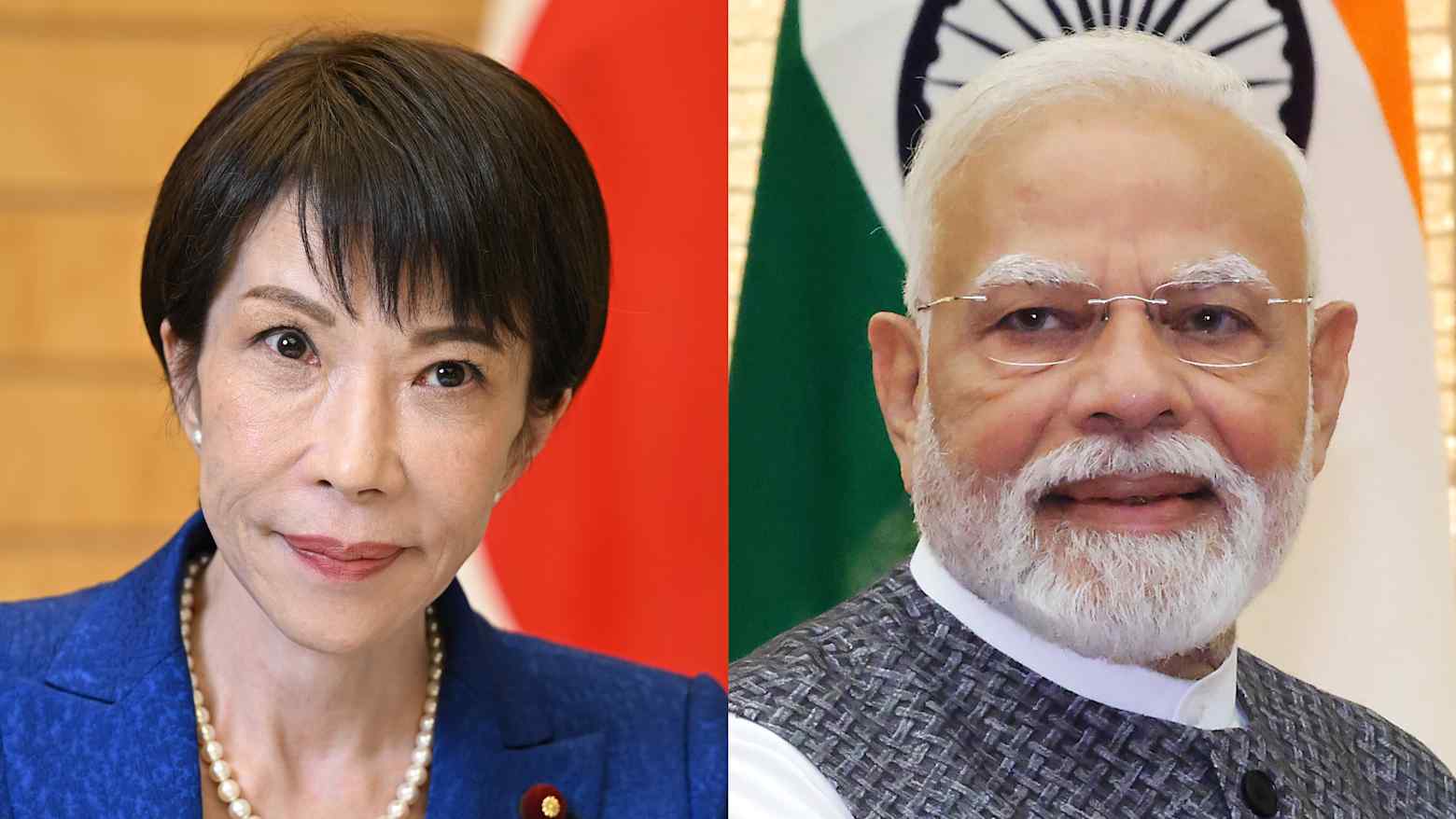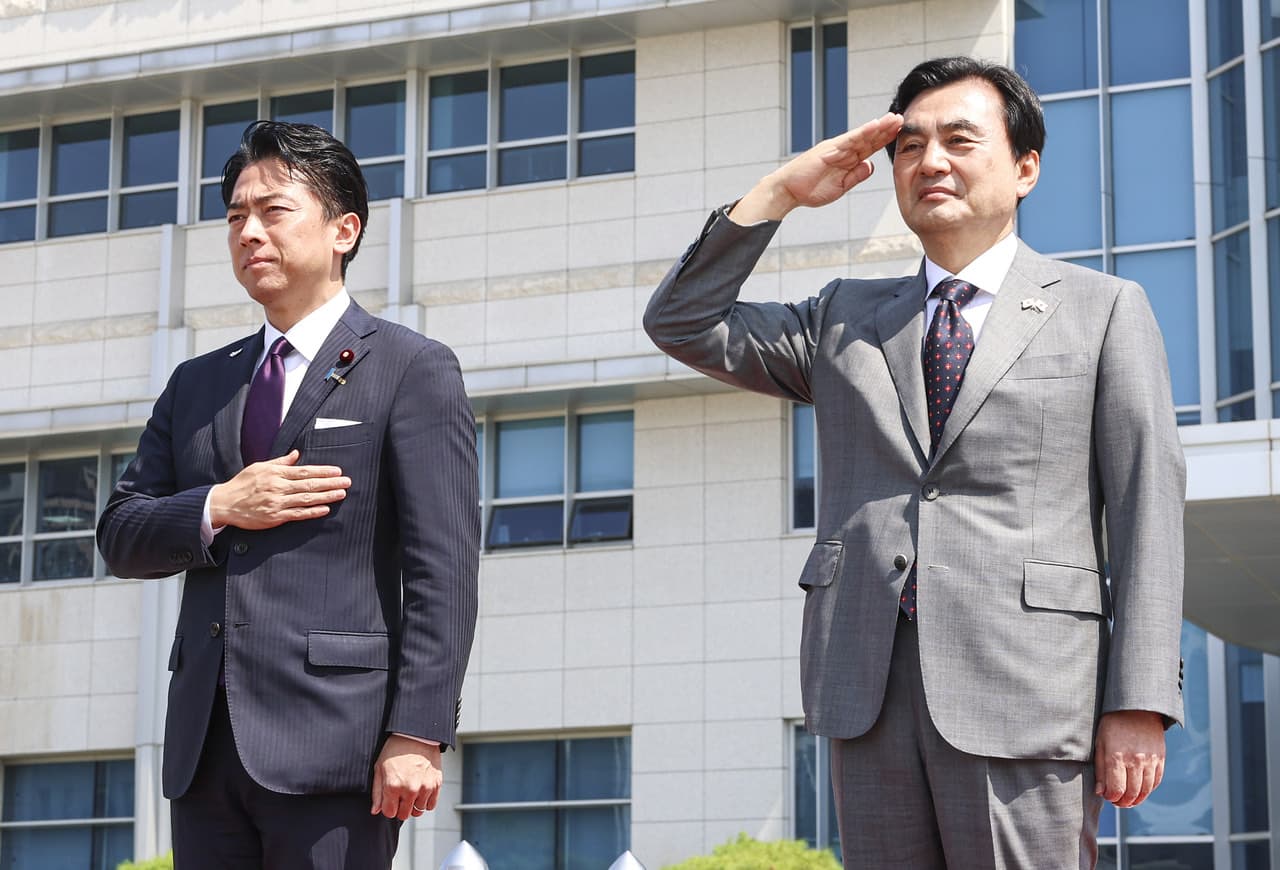
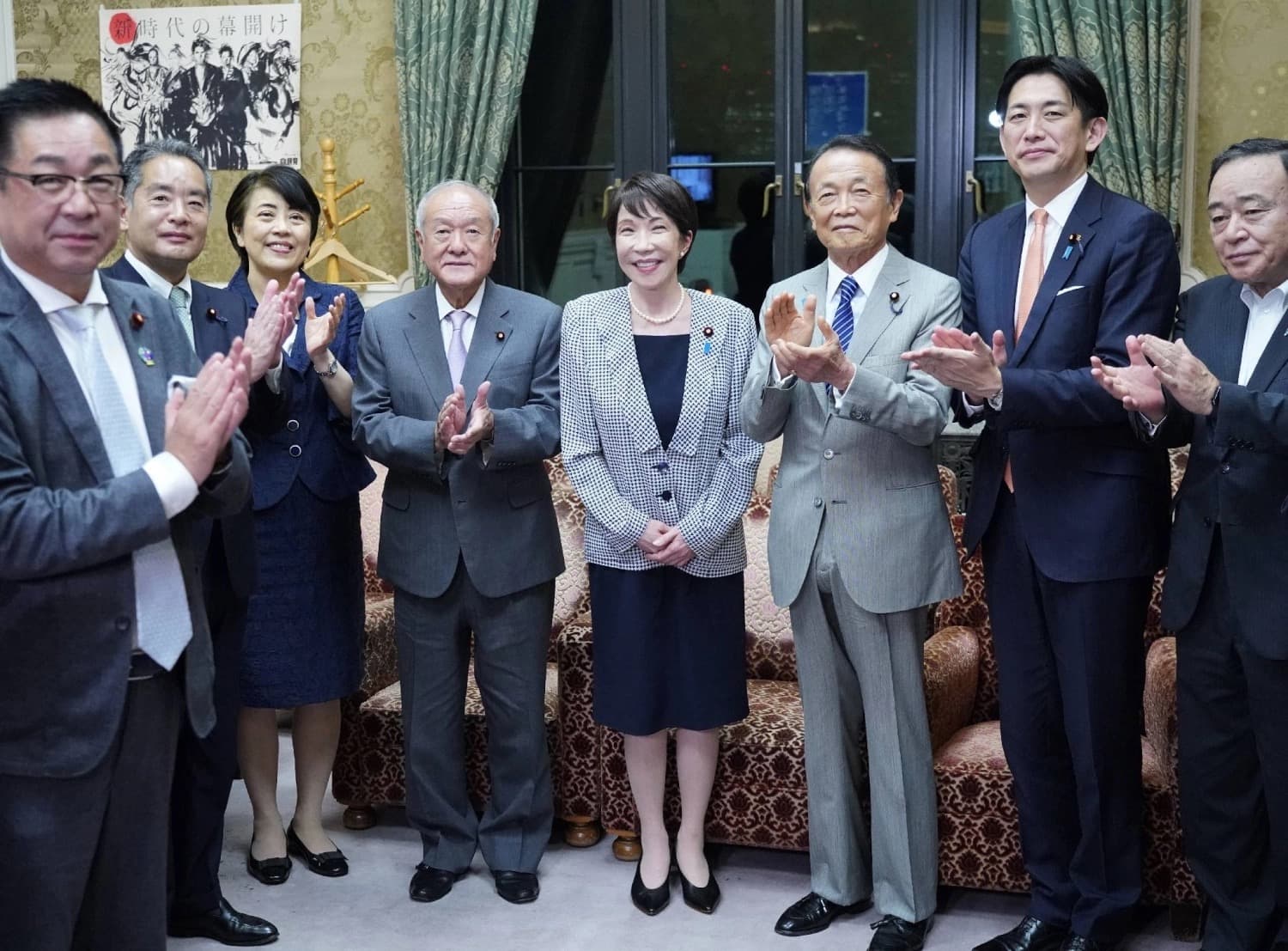
Prime Minister Sanae Takaichi has begun a round of consultations with senior Liberal Democratic Party figures as she edges closer to reshuffling her cabinet and the party's executive lineup, a shake up now expected to land in the latter half of September rather than the earlier timeline originally floated for August. Among the meetings, Takaichi sat down with LDP Vice President Taro Aso, who went on to meet Foreign Minister Toshimitsu Motegi later the same evening, a sequence of talks that underscored how much informal coordination is happening before any announcement becomes official.
The reshuffle had initially been expected as early as August, but the government's attention shifted toward disaster recovery efforts following an earthquake that struck Kumamoto, pushing personnel questions down the priority list. Officials now widely expect Takaichi to hold off on final decisions until after the government adopts its tax system reform package, planned for mid September, before turning fully to the makeup of her cabinet and party leadership team.
The secretary general question
Much of the speculation inside the LDP centers on whether Secretary General Shunichi Suzuki, whose family ties include a connection to former Prime Minister Taro Aso through marriage, keeps his post in whatever lineup Takaichi settles on. The secretary general role carries significant sway over candidate selection and party finances, making it one of the most closely watched appointments in any reshuffle regardless of which other cabinet seats change hands.
Chief Cabinet Secretary Minoru Kihara, by contrast, is widely expected to stay in place as the government's top spokesman, a signal that Takaichi intends to preserve continuity in the position most directly responsible for managing the administration's daily messaging even as other posts are reshuffled around him.