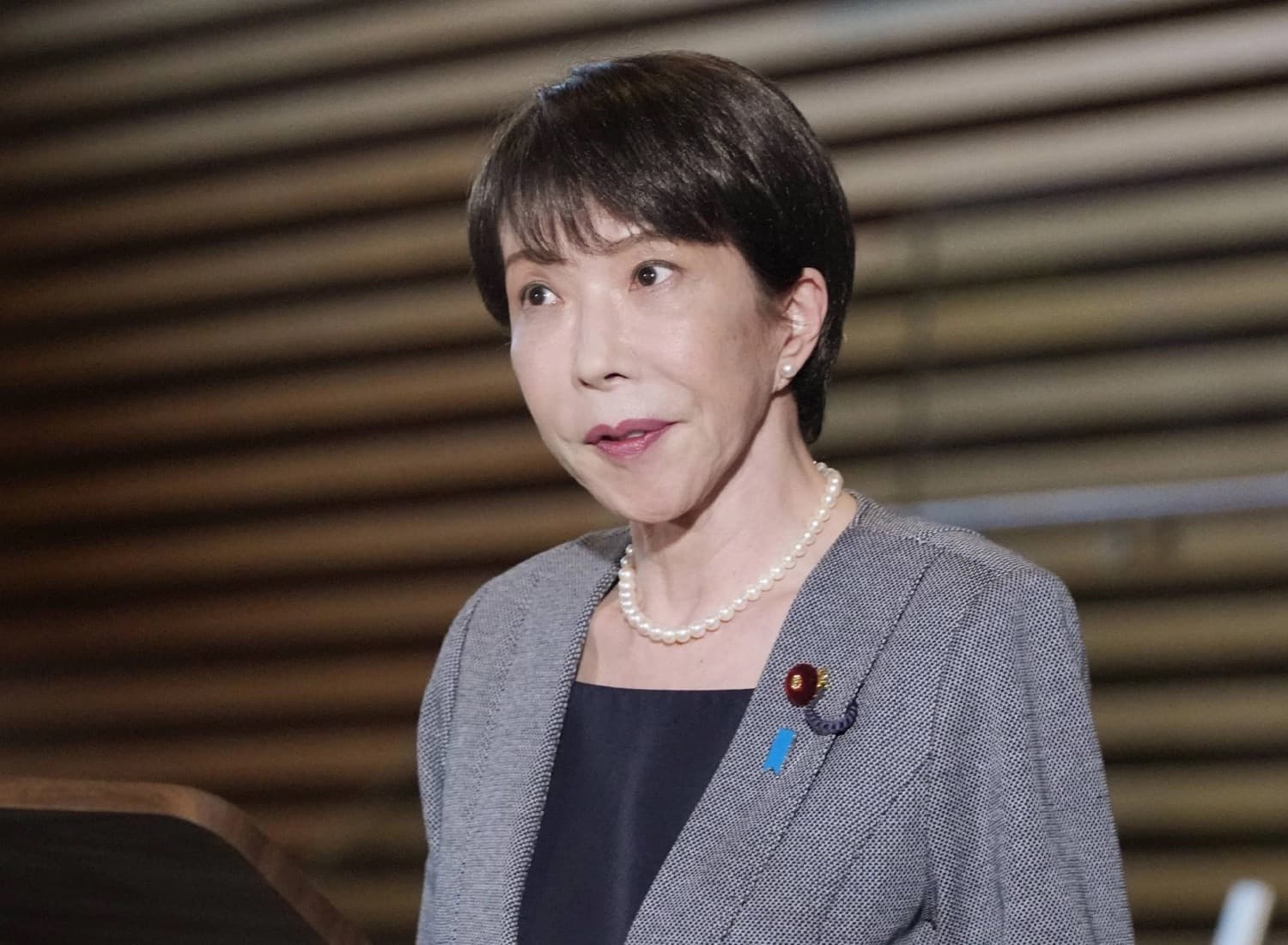
Prime Minister Sanae Takaichi is facing pointed questions at home over how forcefully Japan is willing to push back against US sanctions targeting Tomoko Akane, the president of the International Criminal Court and the first Japanese national to hold that post. Washington's sanctions freeze any US based assets Akane holds, bar her and her family from entering the United States, and cut off access to basic financial services, a set of measures Akane herself has said left her without the use of some of her personal credit cards.
The Trump administration has defended the sanctions as a response to what it calls the court overstepping its mandate, pointing to ICC investigations into Israeli officials over the war in Gaza and into US military personnel over conduct in Afghanistan as the source of its frustration. Akane has rejected that framing directly, telling reporters there is no reason she should be sanctioned and insisting that the court will never be defeated by the pressure.
A response that started soft and hardened under pressure
Takaichi's first public comment on the sanctions described them only as very regrettable, a phrase quickly seized on by critics who accused the prime minister of a weak kneed response to an attack on an institution Japan has long championed. Takaichi pushed back against that characterization, but days later her language shifted noticeably, telling reporters the sanctions were incompatible with Japan's position and that Tokyo took the matter seriously.
She also disclosed that Japanese officials had lobbied Washington at various levels until the last possible moment in an unsuccessful attempt to keep Akane off the sanctions list, a detail meant to demonstrate that quiet diplomacy, even when it fails publicly, had been underway well before the criticism intensified.
Akane appeals directly to Tokyo
Akane has not simply waited for Japan's position to firm up on its own. She has publicly urged Tokyo to press Washington not to escalate the situation further and to lobby other ICC member states not to bow to American pressure and abandon the court, framing Japan's response as a test of its broader identity as a defender of the rule of law on the international stage.