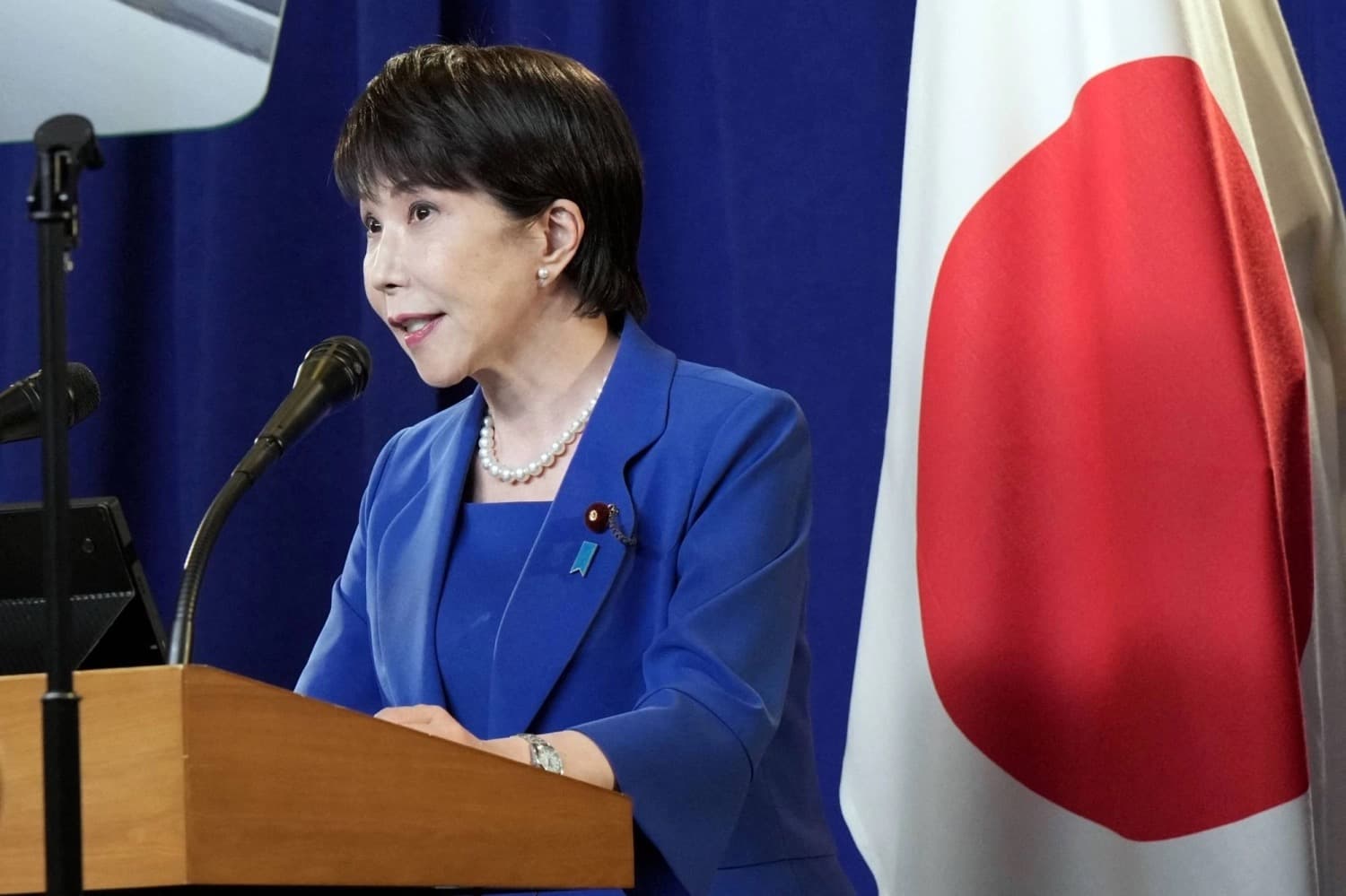
Japan's extraordinary parliamentary session opens on October 5, giving Prime Minister Sanae Takaichi her first sustained stretch of questioning in the Diet since reshuffling her cabinet and marking what many in her own party are treating as the real test of how her government holds up under scrutiny. The session is scheduled to run sixty nine days, stretching all the way to December 12, with Takaichi delivering a policy speech on opening day followed by question and answer sessions across both chambers from October 7 through 9.
At the center of her agenda is a comprehensive strategy aimed at Japan's long running population decline, a problem that touches nearly every other item on the government's to do list, from labor shortages to the shrinking tax base funding the country's ballooning social welfare costs. Takaichi is also expected to pledge that a planned temporary cut to the consumption tax on food will not be funded through additional bond issuance, a commitment meant to reassure markets already watching her government's broader fiscal trajectory closely.
What the ruling coalition wants passed
Beyond the big picture messaging, Takaichi's government and its coalition partner, the Japan Innovation Party, are pushing two concrete pieces of legislation through the session: the temporary food tax cut itself, and a separate bill reducing the number of seats in the Lower House. Neither measure is uncontroversial, and getting both through a lower house where the ruling coalition's margin is far from commanding will require more disciplined coalition management than Takaichi has needed to demonstrate so far in her tenure.
An old scandal finds new relevance
Complicating that effort is a political funding controversy that Takaichi's own party had hoped was fading from view. Concern is building inside the LDP that the extraordinary session will revive scrutiny of money and politics, driven in part by Takaichi's own decision to bring two lawmakers previously tied to the party's slush fund scandal back into prominent roles during her cabinet reshuffle. Opposition lawmakers are widely expected to use the question and answer sessions to press her directly on those appointments, turning what might otherwise be a policy focused debate into a pointed referendum on her judgment.
That dynamic puts Takaichi in an awkward spot heading into the session. Defending her personnel choices risks dragging attention away from the population strategy and tax measures she would rather have leading the news cycle, while appearing to distance herself from the lawmakers in question could read as an admission that the appointments were a mistake in the first place.
Why this session matters more than most
Extraordinary sessions typically draw less public attention than the regular spring session where the full year's budget gets hashed out, but this one carries outsized stakes for a prime minister whose cabinet reshuffle already drew national attention to questions of party loyalty and succession. How she handles sustained, adversarial questioning over sixty nine days, rather than the scripted set pieces of a cabinet announcement, will give both her own party and the public a clearer read on her political staying power heading toward next year's LDP leadership race.
For a government that has leaned heavily on confident messaging since Takaichi took office, the extraordinary session represents a genuinely unscripted test, one where opposition lawmakers rather than her own aides get to set at least part of the agenda for nine straight weeks.