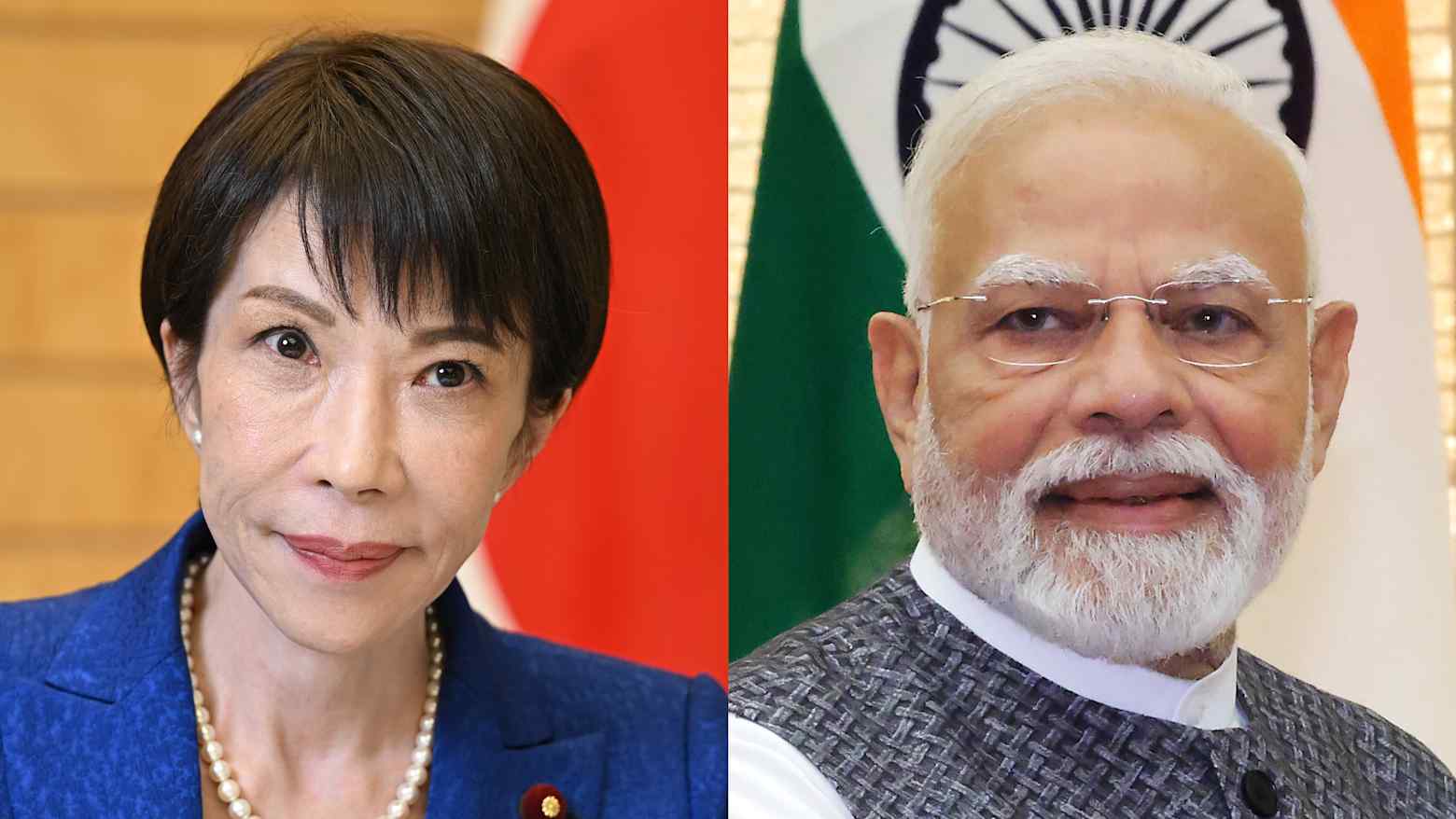
Prime Minister Sanae Takaichi is growing cautious about attaching a hard number to Japan's future defense spending, even as the United States keeps pushing Tokyo toward a target of three and a half percent of gross domestic product, a figure that would put Japan roughly in line with what NATO allies have committed to. Takaichi has signaled she is unwilling to promise reaching that level within a five year window, viewing the pace as unrealistic given the scale of spending it would require.
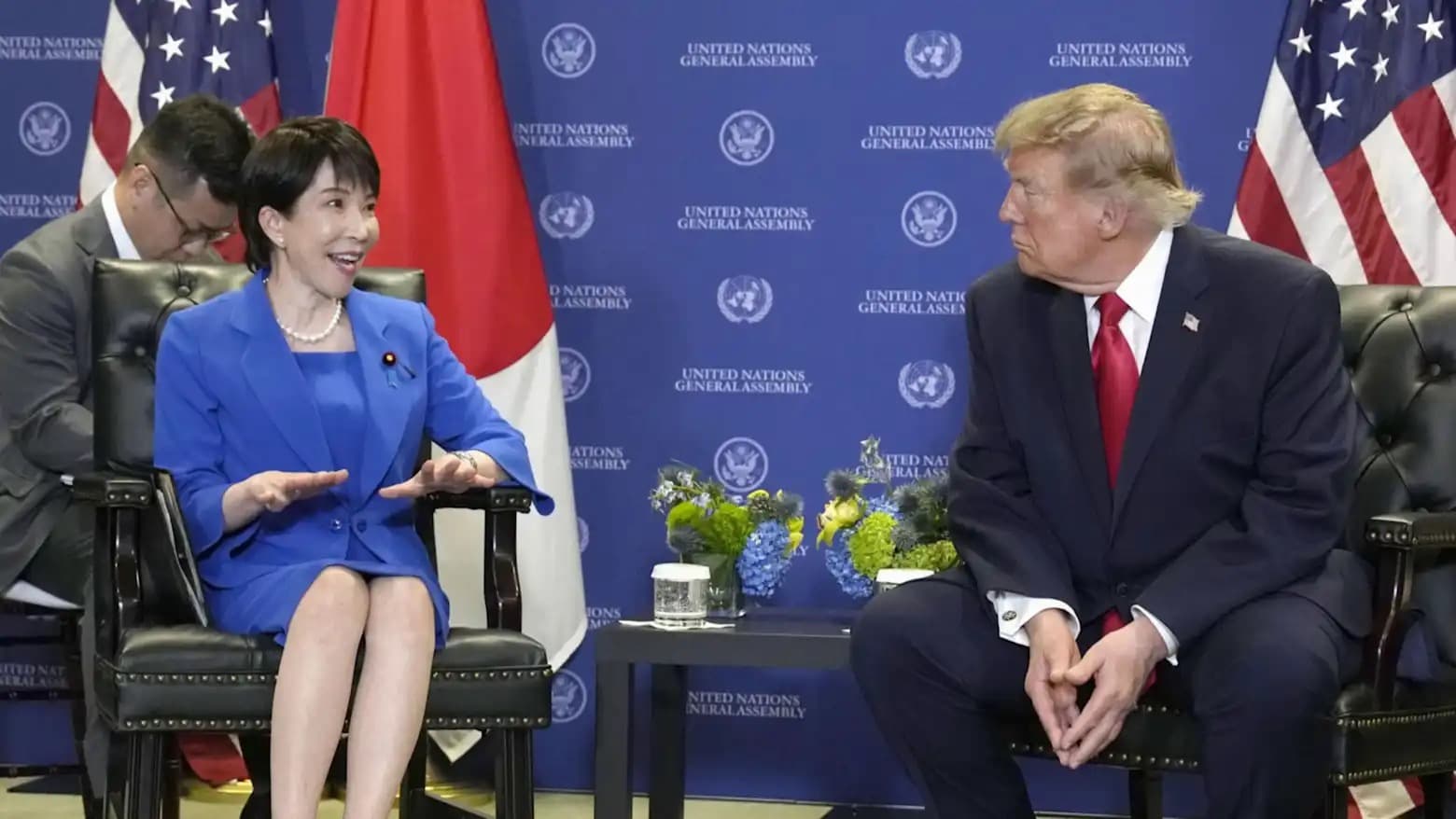
The caution follows her meeting with President Trump on the sidelines of the United Nations General Assembly in New York, where the two leaders agreed in broad terms to strengthen deterrence and response capabilities without pinning down a specific percentage or firm deadline. That kind of general language lets both sides claim progress from the meeting while leaving the harder negotiation over actual numbers for another day.
Already ahead of schedule, but the next jump is steeper
Takaichi is not starting from a position of inaction. Japan pushed defense spending to nearly two percent of GDP in the fiscal year that ended this past March, hitting that mark two years faster than originally planned under the country's 2022 defense strategy. That track record gives her a credible response to American pressure, an argument that Japan has already accelerated meaningfully rather than dragged its feet, even as Washington pushes for a target nearly double where spending currently sits.
Officials have reportedly discussed alternative paths that would soften the jump, including matching a commitment South Korea has made to reach three and a half percent of GDP over a full decade rather than five years, or settling on a lower interim target closer to three percent. Either option would let Tokyo point to real, sustained growth in defense spending without committing to a pace its own finance ministry views as fiscally reckless.
Markets are the quiet constraint in the room
The reluctance is not purely political. Committing to a spending path that requires issuing significantly more government debt risks unsettling investors already watching Japan's fiscal trajectory closely, particularly after the government's growth investment budget requests hit a record high just weeks earlier. Takaichi has repeatedly framed her approach as a responsible, proactive fiscal policy, a label meant to signal that heavier spending is deliberate rather than reckless, but a rapid jump to three and a half percent of GDP on defense alone would test how far markets are willing to extend that benefit of the doubt.
Washington is not backing off quietly
US officials have made their impatience clear in recent weeks. Elbridge Colby, the US Undersecretary of Defense for Policy, said last month that Washington is anxiously looking for Japan to step up, language that leaves little ambiguity about how seriously the American side is pressing the issue. That kind of public prodding puts Takaichi in a familiar bind for a Japanese leader managing the alliance, needing to show meaningful movement toward Washington's demands without committing to numbers that could destabilize her own fiscal position at home.
With no firm deadline attached to Tuesday's meeting, the real negotiation over Japan's eventual defense spending target appears likely to stretch on for months, playing out through the same kind of careful, incremental signaling that has characterized the relationship since Takaichi took office.