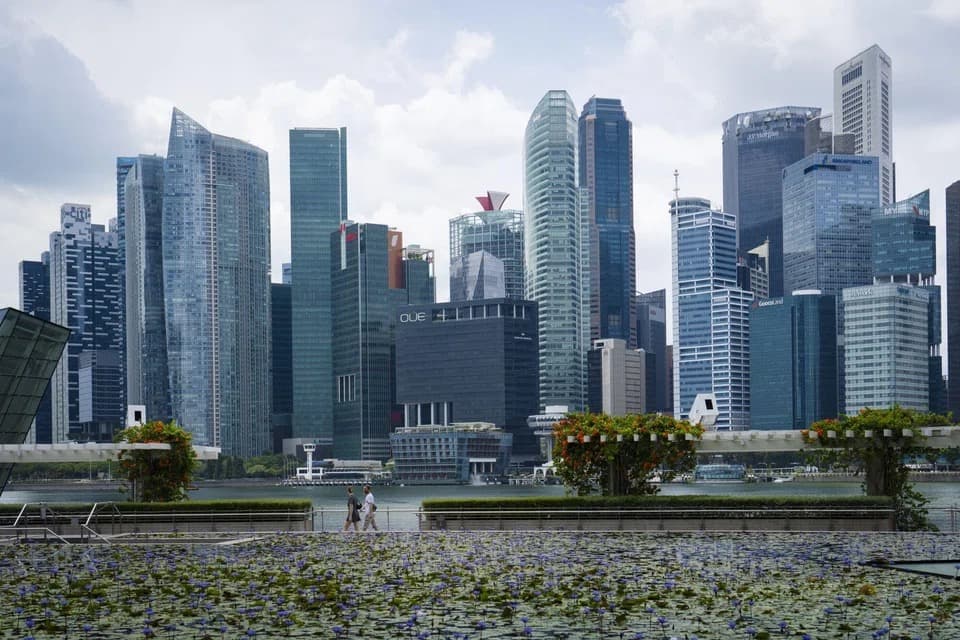
Singapore moved on Wednesday to make itself an easier place for the world's top investment talent to set up shop, loosening the eligibility rules on its marquee work visa and promising tax breaks for fund managers who deliver strong returns. The changes, laid out jointly by the Monetary Authority of Singapore and the Ministry of Manpower, are aimed squarely at the senior dealmakers and portfolio chiefs who decide where a fund's headquarters actually sits.
At the centre of the announcement is the Overseas Networks and Expertise Pass, a five year visa that already lets holders work for more than one company at a time without having to reapply whenever they switch jobs. Until now, qualifying required a fixed monthly salary of thirty thousand Singapore dollars, a bar that shut out many senior asset management executives whose pay leans heavily on bonuses and carried interest rather than a flat wage. Under the new rules, that income can now count toward the threshold, opening the pass to a far wider slice of the industry's top earners, including qualifying applicants tied to single family offices.
A tax carrot to go with the visa
Alongside the visa change, the government confirmed it will exempt qualifying fund managers, including those running hedge funds, single family offices and venture capital vehicles, from tax on profits earned from strong performance starting with income generated this calendar year. The finer mechanics of how that exemption will work are being held back for Budget 2027, expected in February, but the direction of travel is clear enough for firms weighing where to locate their next fund.
The Monetary Authority also flagged a new Hedge Fund Anchoring Programme, an investment scheme aimed at funds that commit to building or deepening a presence in Singapore. Officials did not detail how the programme will be structured, saying more specifics would follow in a later announcement.
My colleagues and I will do what it takes to maintain and uphold the competitiveness of our financial services industry.
That line came from National Development Minister Chee Hong Tat, who framed the package as part of a broader effort to keep Singapore's edge in a sector that officials say now accounts for roughly fifteen percent of the financial industry's output and thirteen percent of its jobs.
The Hong Kong factor
The timing is hard to separate from what is happening across the South China Sea. Hong Kong introduced its own tax cutting bill back in May, targeting the performance bonuses and carried interest that individual fund managers there take home, a move widely read as a bid to claw back business from Singapore. Both financial centres are now racing to court the same finite pool of portfolio managers, and neither wants to be the one left waiting to respond.
The numbers explain why the stakes feel so high. Singapore's assets under management have climbed to roughly seven trillion Singapore dollars, or about five point four trillion US dollars, after growing at an annual clip of seven and a half percent over the past five years. Hong Kong's own pool of managed assets reached forty two point two trillion Hong Kong dollars in 2025, a reminder that despite Singapore's momentum, its longtime rival still commands a considerably larger base to defend and grow from.
Getting ahead of the decision cycle
Fund managers typically map out where to book new vehicles and hire senior staff well before a fiscal year begins, which is why Singapore chose to announce the changes now rather than waiting for the full Budget 2027 detail. Making the direction clear early gives firms time to weigh the easier visa access and the promised tax relief against what Hong Kong and other centres are offering, before headcount and fund domicile decisions get locked in for next year.
Whether the changes are enough to tip more mandates toward Singapore will likely take months to show up in the data. But for now, the message to the world's fund managers is unambiguous: the paperwork just got lighter, and the tax bill on a good year just got smaller.