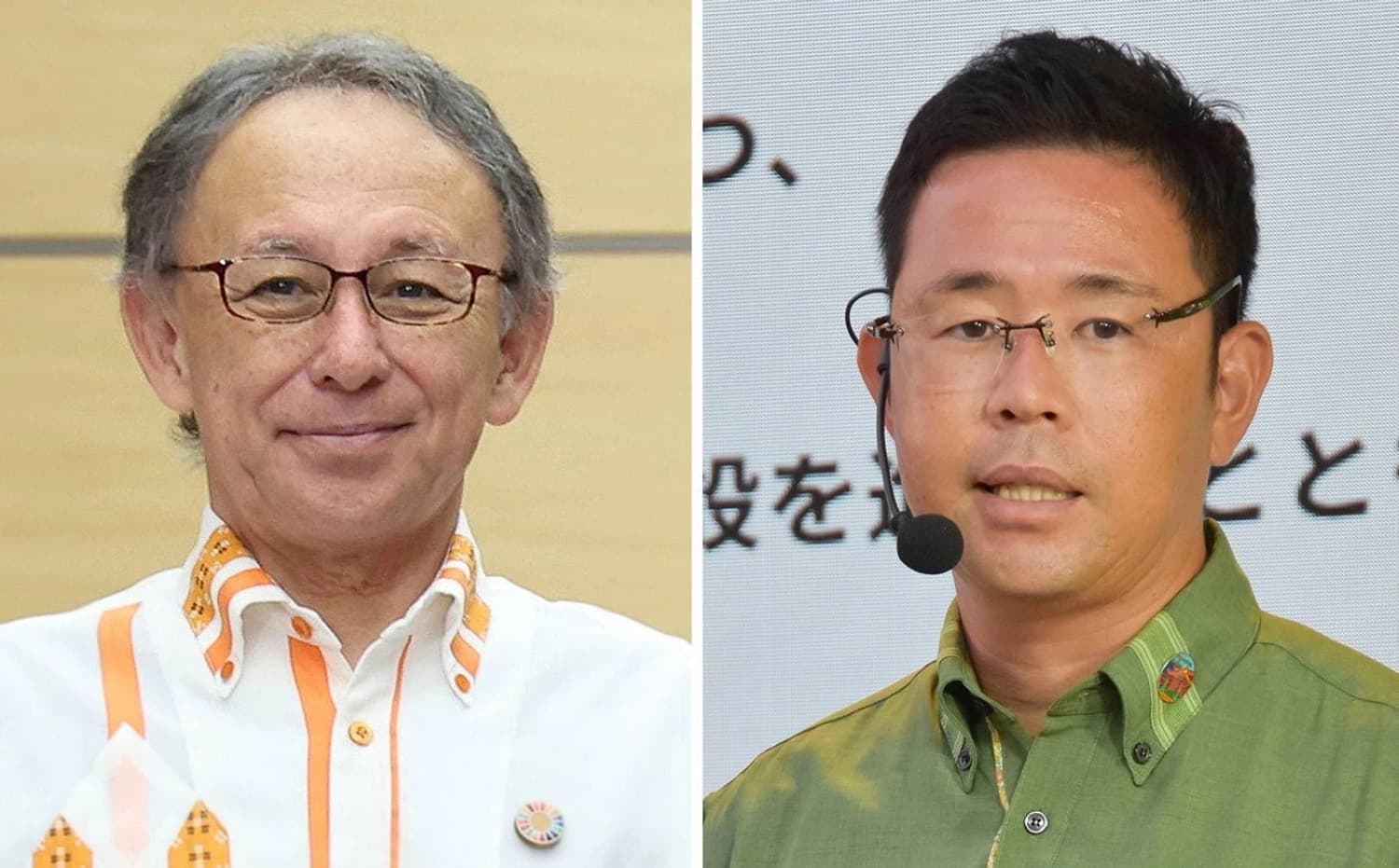
Campaigning officially opened this week for Okinawa's gubernatorial election, setting up a September 13 vote that will decide whether Governor Denny Tamaki wins a third term or hands the job to a challenger backed by Japan's ruling coalition. Six candidates filed to run, but the contest is widely expected to come down to a two way race between the 66 year old incumbent and 42 year old Genta Koja, a former deputy mayor of Naha.
What stands out about this cycle is how much both leading campaigns are leaning on economic messaging rather than opening with the base politics that have defined Okinawan elections for years. Tamaki, who has built his political identity around opposing the relocation of a US Marine base to the Henoko district of Nago, has put noticeably more emphasis this time on plans for economic revitalization, a shift that narrows the gap with Koja on a theme conservative candidates have traditionally owned in the prefecture.
A challenger backed by a broad coalition
Koja enters the race with the backing of the Liberal Democratic Party and its junior coalition partner, the Japan Innovation Party, giving him institutional support that reaches well beyond Okinawa itself. Tamaki, by contrast, draws his coalition from the opposition side of national politics, with the Constitutional Democratic Party, the Japanese Communist Party, the Social Democratic Party and other parties aligned with the All Okinawa movement that has anchored his previous two victories.
That movement has centered for years on demanding the early return of the US Marine Corps' Futenma Air Station in Ginowan while resisting its planned replacement at Henoko, a project Tokyo and Washington have continued to push forward despite years of local opposition and legal challenges from the prefectural government.