
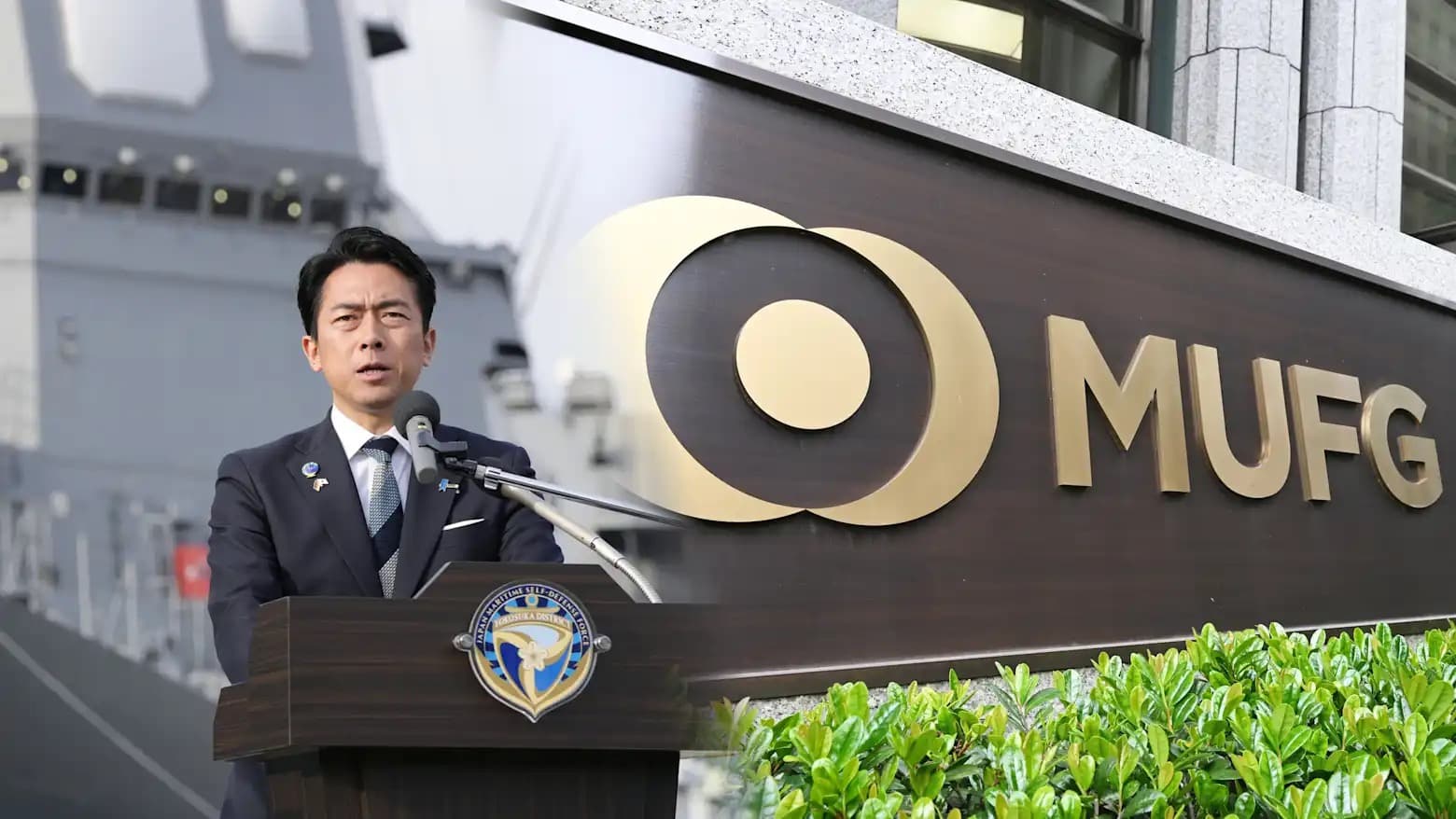
MUFG Bank is preparing to introduce formal guidelines for financing companies in Japan's defense industry, a notable reversal for a lender that has long kept its distance from the sector. The shift would open up credit to a part of the economy that commercial banks in Japan have historically treated as too sensitive to touch, regardless of how creditworthy an individual applicant might otherwise look.
Under the new approach, the bank plans to screen loan applicants in line with the nation's security policy, effectively letting government defense priorities inform which companies qualify for financing. That framing lets MUFG present the shift less as a simple business decision and more as a deliberate alignment with the state's broader push to strengthen its domestic defense industrial base, a distinction that matters for a bank wary of appearing to chase defense contracts purely for profit.
Smaller players stand to gain the most
The guidelines are expected to particularly benefit startups and small to midsize companies operating in defense related fields, firms that have historically struggled the hardest to access commercial credit given how conservatively Japanese banks have treated the sector. Larger, established defense contractors have generally had other financing options available to them, but smaller suppliers and newer entrants often lacked the scale or track record to get a conventional lender comfortable, leaving a financing gap that has limited how quickly Japan's defense supply chain could expand.
Following the government's own lead
MUFG's move comes after Japan's state owned Development Bank of Japan had already revised its own rules, abolishing restrictions that had limited its willingness to invest in arms manufacturers. With a government backed lender clearing the path first, MUFG's decision to follow looks less like a bank striking out on its own and more like private finance falling in line behind a policy direction Tokyo had already signaled clearly through its own institutions.
Other major Japanese banks are widely expected to follow MUFG's example rather than risk being the last major lender still holding back from a sector the government has made a strategic priority. Bankers themselves have generally described funding decisions in this area as case by case rather than governed by any uniform, industry wide restriction, noting that the only hard limits come from products barred outright under international treaties Japan has signed.
Why banks stayed cautious for so long
The reluctance MUFG is now stepping back from was never really about credit risk in the traditional sense. Japanese banks have worried for years about the reputational cost of being closely associated with weapons production, along with the potential fallout for their extensive overseas operations, particularly in China, where financing ties to defense manufacturers could complicate business relationships built over decades. Those concerns have not disappeared simply because MUFG is changing its lending guidelines, but the bank appears to have concluded that the risk of standing apart from a government led industrial push now outweighs the risk of closer association with defense contractors.
Whether other major banks move as quickly, and whether the new guidelines meaningfully loosen the financing bottleneck smaller defense suppliers have faced, will likely become clearer once MUFG's policy is formally rolled out and lending decisions under it start to show up in the market.