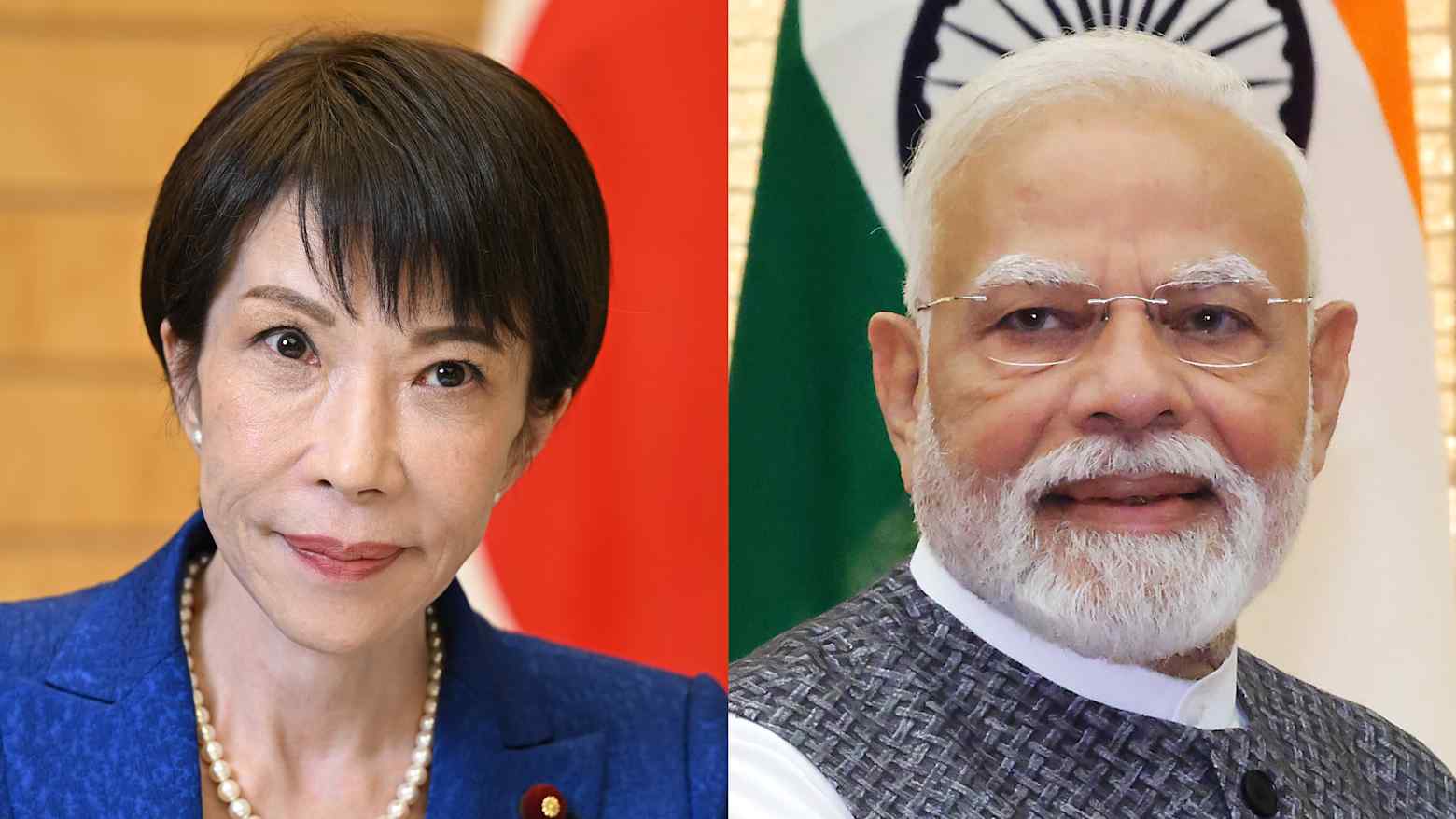
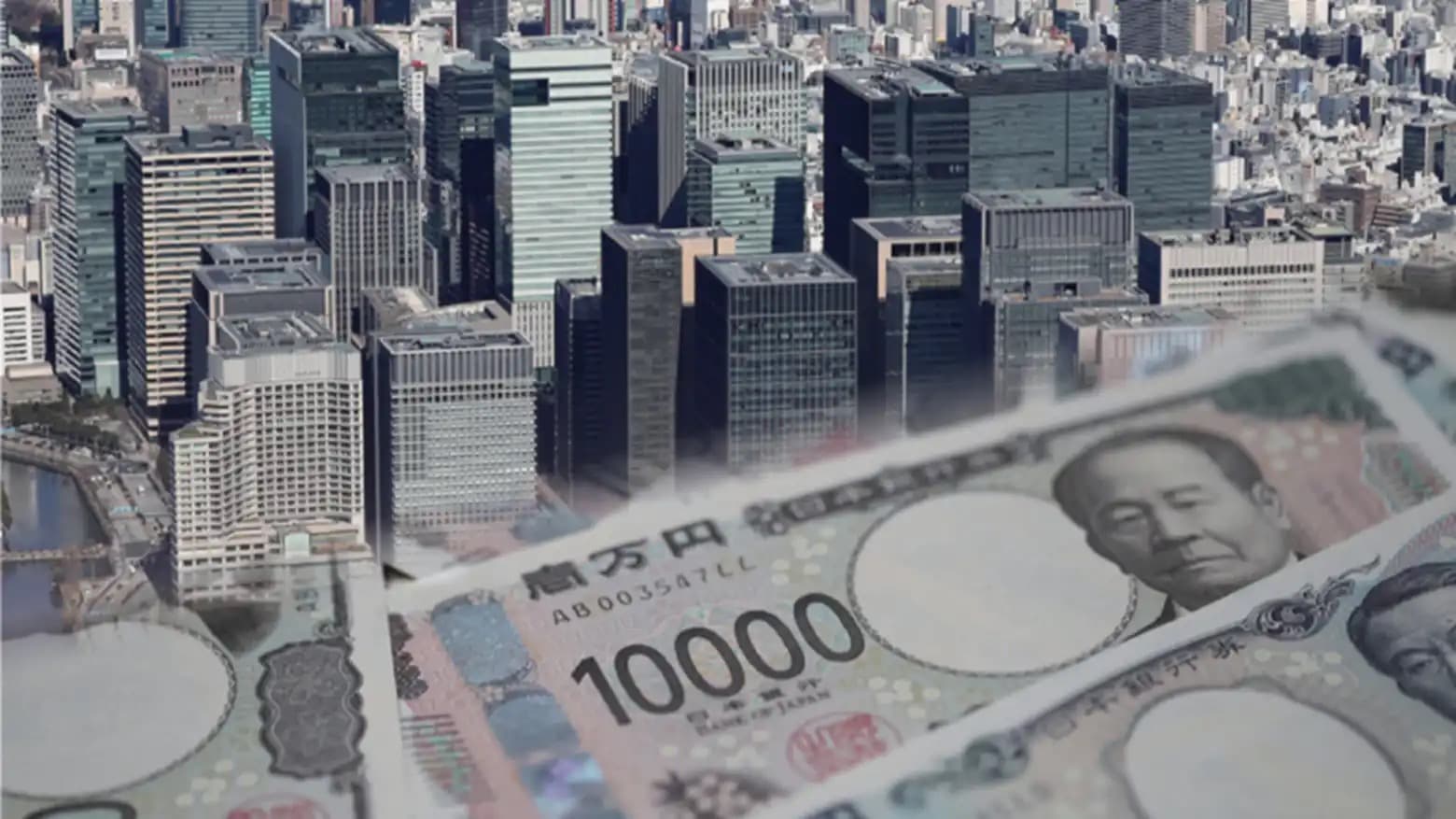
Japanese government ministries have submitted budget requests totaling one hundred forty three trillion yen, worth roughly nine hundred eighteen billion dollars, for the fiscal year beginning in April 2027, setting a fresh record for the fourth consecutive year. A big part of the jump traces back to a single change in how Tokyo builds its budget: Prime Minister Sanae Takaichi's government stopped imposing a unified spending cap on a category of priority investment projects, letting ministries ask for as much as they wanted under a new growth investment framework.
That framework alone accounts for twelve point one seven trillion yen, or about seventy eight billion dollars, in requests, an amount that would have run headlong into a ceiling under the budgeting rules used in prior years. The Ministry of Economy, Trade and Industry made the single largest claim on that pot, seeking around six point three trillion yen to fund work on artificial intelligence, semiconductors and robotics, three industries the government has repeatedly identified as central to keeping Japan competitive against faster moving rivals.
A deliberate loosening, not an accident
Removing the cap was not an oversight but a direct expression of Takaichi's fiscal approach, which her administration has described as responsible and proactive, a label meant to signal that heavier near term spending is meant to buy faster growth rather than simply expand government for its own sake. Letting ministries submit requests without a shared ceiling makes it far easier for ambitious industrial policy proposals to reach the budgeting table in full, even if the final numbers get trimmed down before the budget is finalized later in the year.
Financial markets have reacted to that shift with a degree of caution rather than enthusiasm. Investors already wary of Japan's fiscal trajectory have watched the uncapped category with some unease, since removing a ceiling on one part of the budget makes it harder to predict how much total spending will ultimately grow once every ministry's wish list gets reconciled against available revenue.
The rest of the budget is growing too
Growth investment is far from the only line pushing the total higher. The Ministry of Health, Labor and Welfare put in the largest request of any single ministry, at a record thirty six point five eight trillion yen, driven almost entirely by ballooning welfare costs tied to Japan's rapidly aging population, a structural pressure that shows no sign of easing regardless of which party controls the budget process.
Rising debt servicing costs and defense spending add further strain on top of that welfare growth. Some defense related budget items remain only loosely specified at this stage, a level of ambiguity that has already stirred debate among lawmakers about whether the government is being fully transparent about how much of the increase is destined for the military buildup Tokyo has pursued since 2022.
A budget process still far from finished
What ministries requested and what they ultimately receive are rarely the same number, and the coming months of negotiation between the Ministry of Finance and individual agencies will determine how much of the record request survives intact. Even so, the sheer size of this year's ask, and the fact that a policy choice rather than an economic emergency is largely responsible for the uncapped portion of it, gives a clear signal about how far Takaichi is willing to lean into spending as a growth strategy heading into the budget's final stages.