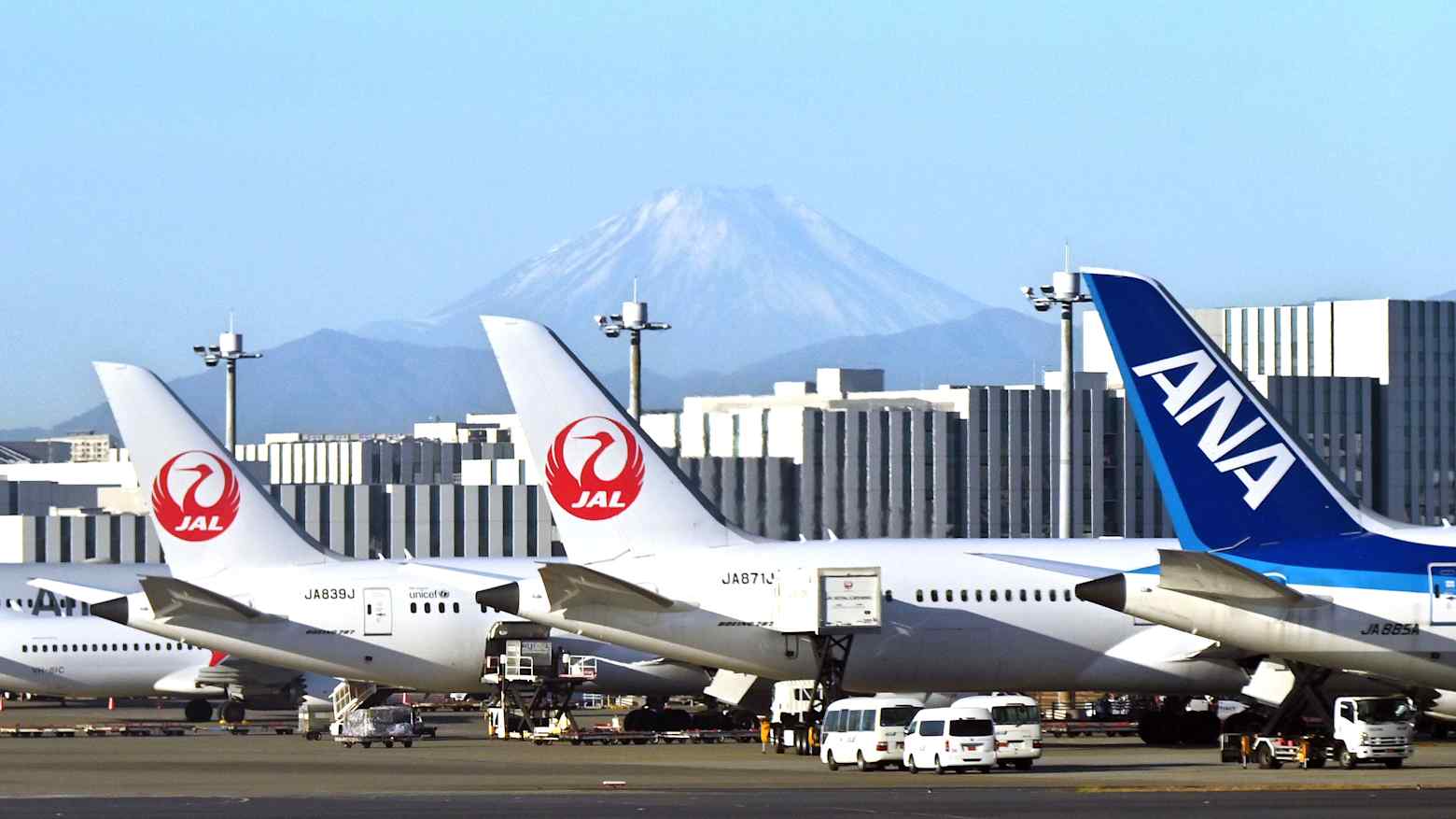
Japan's two biggest airlines have just delivered a lesson in how a company can sell more than ever and still watch its profits shrink. Japan Airlines and ANA Holdings each reported record revenue for the quarter, powered by a wave of foreign tourists eager to take advantage of a weak yen and the country's enduring appeal. Yet beneath those glittering top-line numbers lay a far less comfortable story, one written almost entirely in the price of jet fuel.
The contrast between sales and earnings was stark. Japan Airlines saw its quarterly profit collapse by 80 percent even as money poured in through the door, while ANA fared better but still absorbed a meaningful hit to its bottom line. For carriers that spent the pandemic years desperate for passengers, having too many customers and too little profit is a strange kind of problem, and it points to a cost squeeze that no amount of full cabins can fully offset.
A travel boom doing the heavy lifting
The revenue records were no fluke. Japan has become one of the most sought after destinations in the world, and a cheap yen has made a trip there feel like a bargain for visitors from across Asia, North America and Europe. That inbound demand has filled international routes and lifted fares, and the peak travel periods brought a surge of bookings that kept aircraft busy and cash registers ringing throughout the quarter.
For the airlines, this is exactly the environment they had hoped for as the world reopened. Leisure travelers are back in force, business trips have recovered, and the appetite for flights into and out of Japan shows little sign of fading. On its own, that flood of demand would ordinarily translate into a very profitable stretch. The reason it did not comes down to what it costs to actually get those planes into the air.
The fuel bill that changed everything
Jet fuel is one of the largest and most unpredictable costs any airline carries, and this quarter it turned sharply against the carriers. Conflict involving Iran sent oil markets into a spin, driving the price of fuel higher and feeding straight through to the airlines' expenses. Every extra dollar per barrel lands directly on the cost of flying, and when prices jump this fast there is no immediate way to escape the damage.
The weak yen that lured in tourists cut the other way here too, because fuel is bought in dollars. A softer currency makes every gallon more expensive in yen terms, so the same exchange rate that boosted revenue from foreign visitors quietly inflated the cost of the fuel needed to carry them. The airlines found themselves caught between two effects of the same weak yen, one flattering the sales line and the other punishing the cost line.
Airlines can control their schedules and their service, but they cannot control the oil price, and that single number can turn a record quarter into a disappointing one.
Passing the pain to passengers
The carriers have not simply swallowed the increase. Both have leaned on fuel surcharges, the add-on fees tacked onto ticket prices to reflect the cost of oil, and they have raised those charges repeatedly since the spring. Travelers flying during the busy summer window faced some of the highest fuel surcharges the airlines have ever set, a direct sign of how much the underlying cost has climbed and how determined the carriers are to protect their margins.
Surcharges help, but they are a blunt instrument. They can lag the actual movement in fuel prices, and pushing them too high risks denting the very demand that has been driving the revenue records. The airlines are walking a fine line, trying to recover their costs without discouraging the tourists whose spending has become the backbone of the recovery. Getting that balance wrong in either direction carries a price of its own.
What the numbers really say
Taken together, the results paint a picture of two healthy businesses operating in an unforgiving cost environment. The underlying demand is genuine and strong, which is what allows the airlines to keep raising fares and filling seats. The threat is external and largely beyond their control, a geopolitical shock in the oil market that could ease as quickly as it arrived or linger long enough to keep squeezing earnings for quarters to come.
For now, Japan Airlines and ANA can take some comfort in the strength of their revenue, a sign that the travel boom underpinning their business remains intact. The worry is that they are only as profitable as the oil price allows, and this quarter that price was a harsh master. If fuel costs settle back, the record sales could finally flow through to record profits. If they do not, the airlines face the frustrating task of running fuller than ever while earning less for the effort.