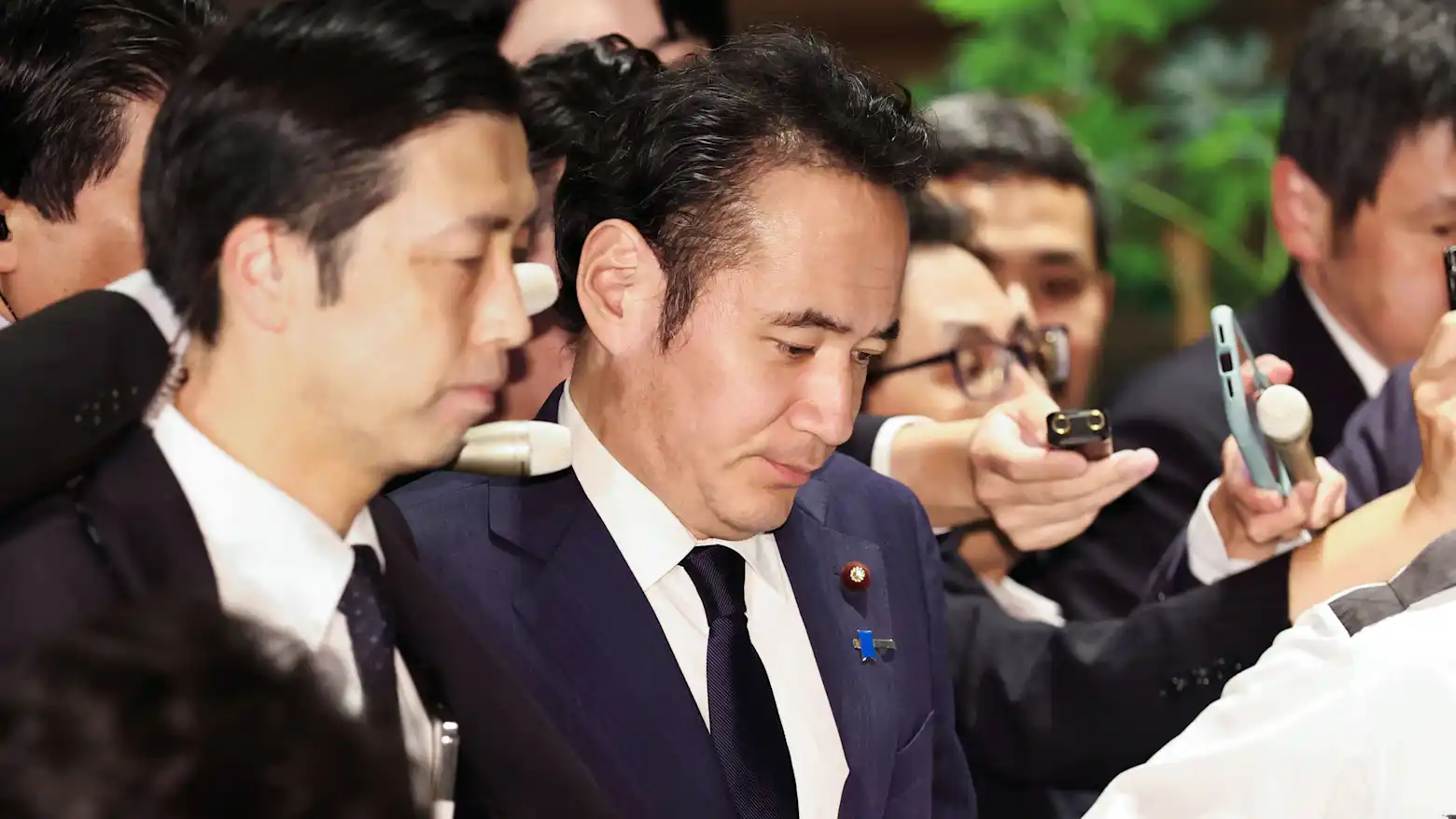
Kazuo Yana resigned as Japan's agriculture minister on October 14, barely a month into the job, after a run of controversies left his position untenable. He had been one of the fresh faces Prime Minister Sanae Takaichi installed during her cabinet reshuffle, and his departure now stands as the first senior casualty of a government that had hoped to spend its early weeks building momentum rather than managing an exit.
The precise mix of issues that pushed Yana out has been building steadily since his appointment, with scrutiny over his conduct and judgment mounting to the point that remaining in post became politically untenable. Whatever the specifics, the practical effect is the same: a cabinet post tied to one of the most sensitive portfolios in Japanese politics, agriculture and food prices, is now vacant again, and Takaichi must move quickly to find a replacement who can avoid a similar fate.
A reshuffle meant to show strength
Takaichi's reshuffle was designed to project a government in command of its own direction, with new appointees meant to signal fresh energy heading into a demanding legislative calendar. Losing one of those appointees this quickly undercuts that message before it had much chance to take hold, and it hands critics inside and outside her party a ready made example of a selection that did not hold up to scrutiny.
Agriculture is not a portfolio Takaichi can afford to leave adrift for long. Rice prices and food costs have been politically charged topics in Japan, feeding directly into the kind of household budget pressures that shape public approval of a government far more than most cabinet posts. A vacancy there, even a brief one, risks becoming a visible symbol of disarray at exactly the moment Takaichi needs voters focused on her broader economic agenda.