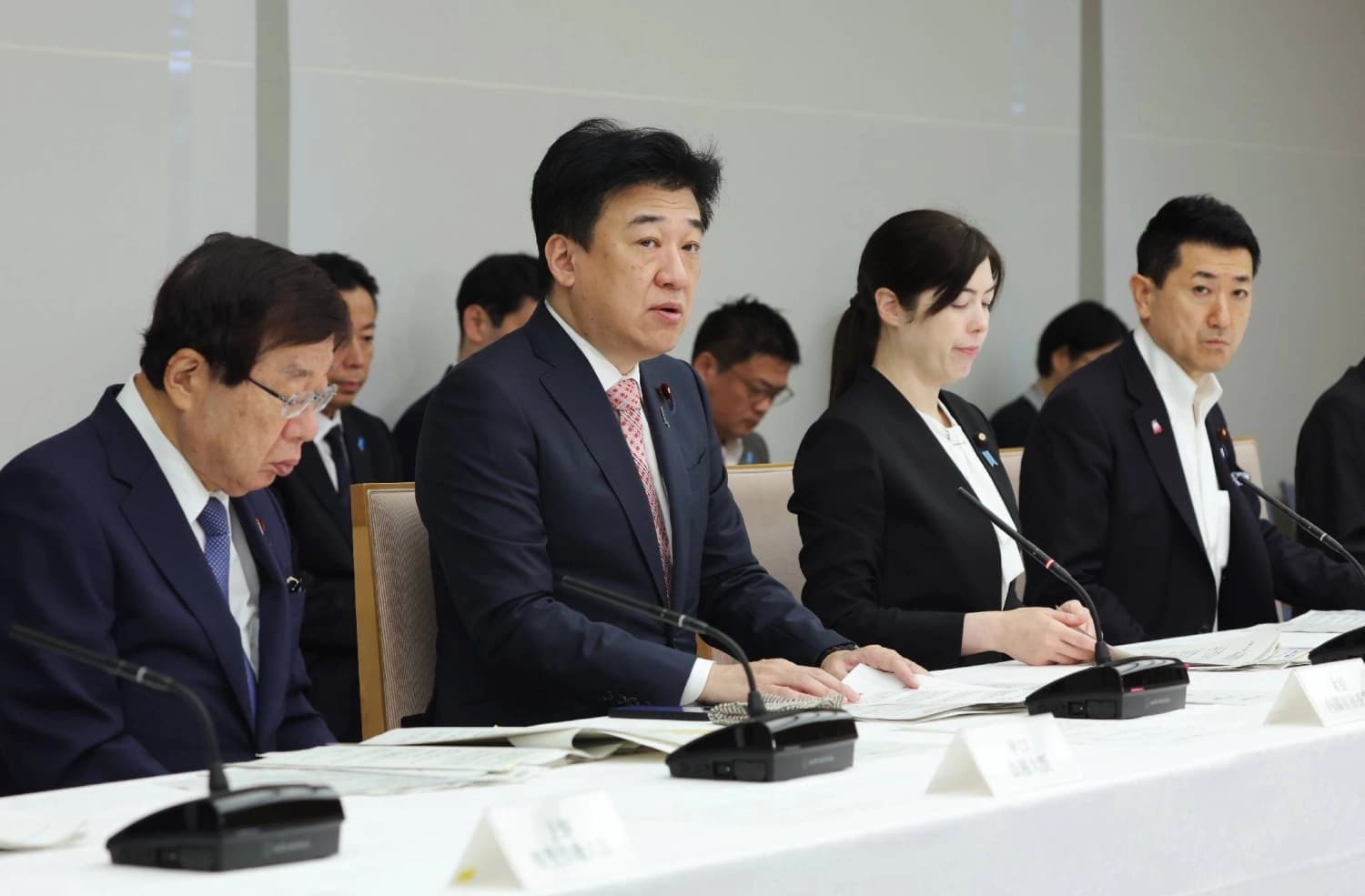
Few issues have moved to the center of Japanese politics as quickly as the question of how the country should handle the growing number of foreign nationals living within its borders. What was once treated as a technical matter for immigration officials has become a live political argument, and the government of Sanae Takaichi is now trying to bring that argument under a single roof. The vehicle is a cross-agency body designed to act as a control tower, coordinating a set of policies that until recently were scattered across separate ministries.
The logic behind the new structure is that a subject this sensitive can no longer be managed piecemeal. Immigration screening, residency oversight, land purchases, tourism pressures, language education and the fair use of social security and tax systems all touch on the same underlying question, yet each has traditionally lived in its own bureaucratic corner. By pulling them together, the government hopes to present a coherent stance rather than a patchwork of rules that citizens find hard to follow and foreigners find hard to navigate.
A new post for a delicate brief
The clearest sign of how seriously Takaichi treats the issue was her decision to create a dedicated cabinet post soon after taking office. The role, framed around building what the government calls a society of well-ordered and harmonious coexistence with foreign nationals, gave the subject a permanent seat at the top table for the first time. Placing a minister in charge signaled that the government intended to own the debate rather than let it drift into the hands of its loudest critics.
That framing matters. The language of orderly coexistence is meant to hold two ideas together at once. On one side is the promise that Japan remains open to the workers and residents its aging society increasingly needs. On the other is a firmer message that the country expects rules to be followed and will tighten enforcement where it believes they have been bent. Balancing those two signals is the central task the new body has been handed.
What the control tower is meant to do
In practice the coordinating body is expected to push on several fronts at once. Officials have pointed to a tighter and more digitized system for managing immigration and residency, so that the government has a clearer real-time picture of who is in the country and on what terms. They have also flagged a review of rules around land acquisition by foreign buyers, a topic that has drawn particular political heat, along with steps to ease the strain that record tourist numbers have placed on popular destinations.
The promise is order without hostility. Whether a government can deliver both at the same time is the question the whole effort will be judged on.
Language education and the everyday business of integration sit alongside the enforcement measures. The government has acknowledged that arrivals cannot be expected to fit smoothly into Japanese life without real support, and that schools, local authorities and workplaces all carry part of that load. The harder political challenge is convincing a wary public that investment in integration and a tougher line on rule-breaking are not contradictions but two halves of the same plan.
Politics running hot
The backdrop to all of this is a noticeable rise in public unease. Concerns about crime linked to foreigners, pressure on housing and services, and the sheer visibility of mass tourism have given oxygen to voices calling for a harder stance. Takaichi rose to the top of her party partly by speaking to that mood, and her government now has to show that its answer amounts to more than rhetoric. A coordinating body only earns its keep if it produces decisions that people can see.
Critics worry that the drive for order could tip into something narrower, hardening attitudes toward the very newcomers Japan says it wants to welcome. Rights advocates have warned against policies that treat foreign residents as a problem to be managed rather than neighbors to be included. The government insists that is not its aim, and the test of that claim will lie in the detail of what the new structure actually decides to do.
The bigger demographic clock
Underneath the immediate politics runs a slower and more unforgiving force. Japan is aging and shrinking, and no serious plan for its economy avoids the question of how many foreign workers it will need and how it intends to bring them in. The government has spoken of drawing up a longer population strategy, complete with targets for the years ahead, which would place the coexistence debate inside a frank reckoning with the country's own numbers.
That is what gives the new body its weight. It is not merely an administrative reshuffle but an attempt to settle, in a controlled way, a debate that could easily run out of control. If the government can show that a single coordinating hub delivers clearer rules, fairer treatment and calmer politics, it will have found a durable answer to one of the defining pressures of the coming decade. If it cannot, the tensions it is trying to contain are unlikely to fade on their own.