
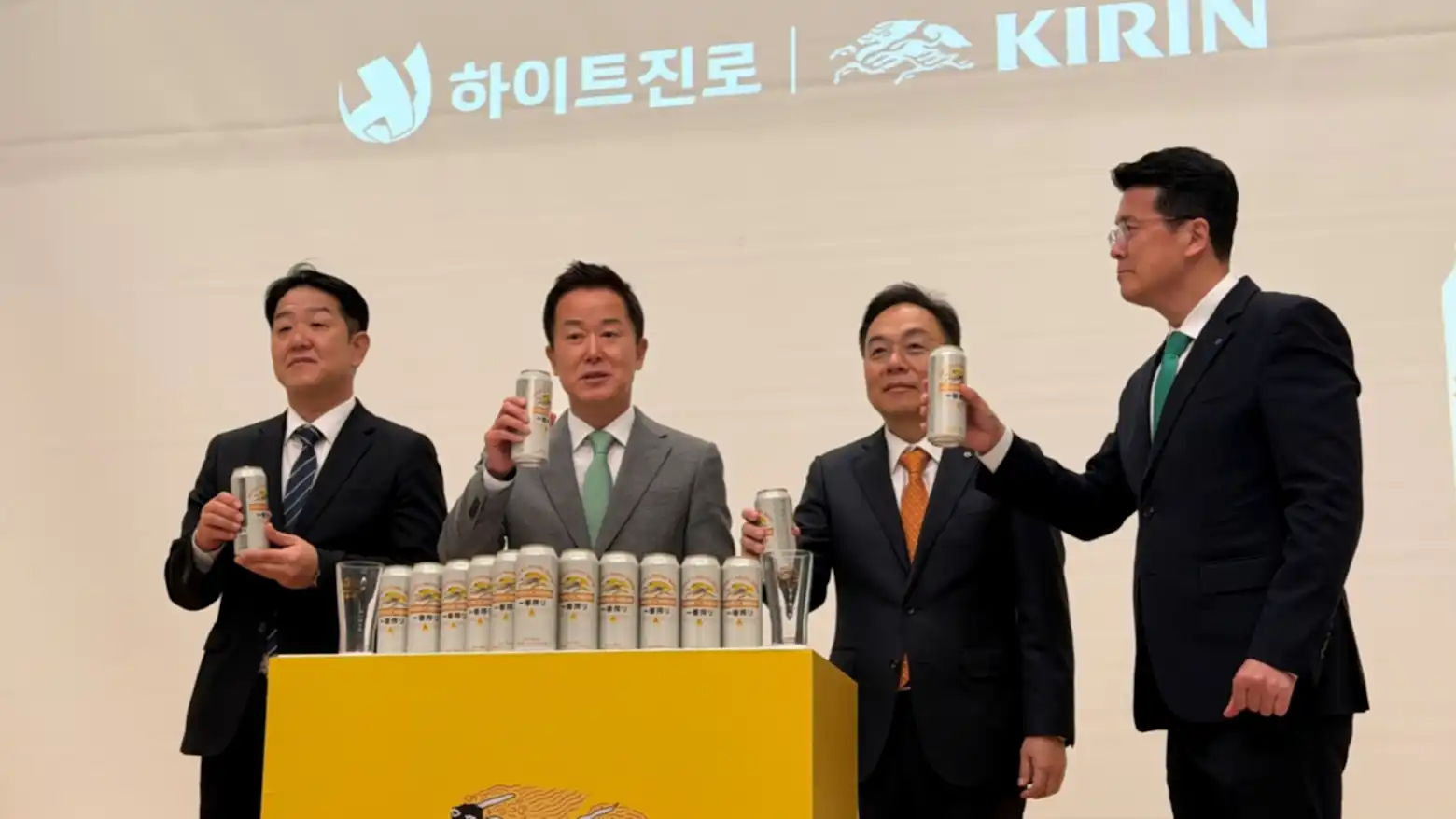
HiteJinro, the Seoul based maker best known at home for soju, has agreed to start brewing Kirin's signature Ichiban Shibori beer domestically rather than importing it from Japan. Under the arrangement, Kirin is handing over the brewing technology behind the beer to a company it does not own any stake in, a step the Japanese brewer has rarely taken outside its own corporate family.
The production will run out of HiteJinro's brewery in the southwest of the country, putting a Japanese flagship brand onto a South Korean assembly line for the first time through an independent local partner. For Kirin, licensing the recipe and process to an outside brewer marks a notable departure from its usual approach of keeping production close to home or inside affiliated ventures.
A license Kirin rarely grants
What makes the deal stand out is less the beer itself than who is allowed to make it. HiteJinro is being described as the first Asian company without any capital ties to Kirin to receive a manufacturing license for Ichiban Shibori, a distinction that says as much about Kirin's caution as it does about HiteJinro's standing. Handing over brewing technology to an unaffiliated rival's home market supplier is the kind of move a brewer only makes when the commercial logic is hard to ignore.
That logic starts with freshness and cost. Beer brewed inside South Korea can reach shelves and bars faster and cheaper than beer shipped across the sea from Japan, while still carrying the same recipe and the same name. For Kirin, local production offers a way to meet rising demand without stretching export volumes, and for HiteJinro it brings a globally recognized Japanese brand into its own portfolio without the capital cost of building one from scratch.
Riding a wave of Japanese beer demand
The timing lines up with a broader shift in South Korean drinking habits. Japanese beer brands have been steadily winning over younger South Korean consumers in recent years, a trend that has outlasted the political friction that once made Japanese products a harder sell. Bars and convenience stores across the country now stock Japanese labels as a matter of course, and Ichiban Shibori has built a loyal following among drinkers who associate it with a cleaner, crisper taste than many domestic lagers.