Fast Retailing, the Japanese group behind Uniqlo, is overhauling the way it watches over labor conditions inside its supply chain, rolling out tougher monitoring standards that reach more than 700 manufacturing plants around the world. The shift arrives as global brands brace for a stricter era of accountability, with European regulators preparing to hold companies responsible for what happens far upstream from their store shelves.
What is changing
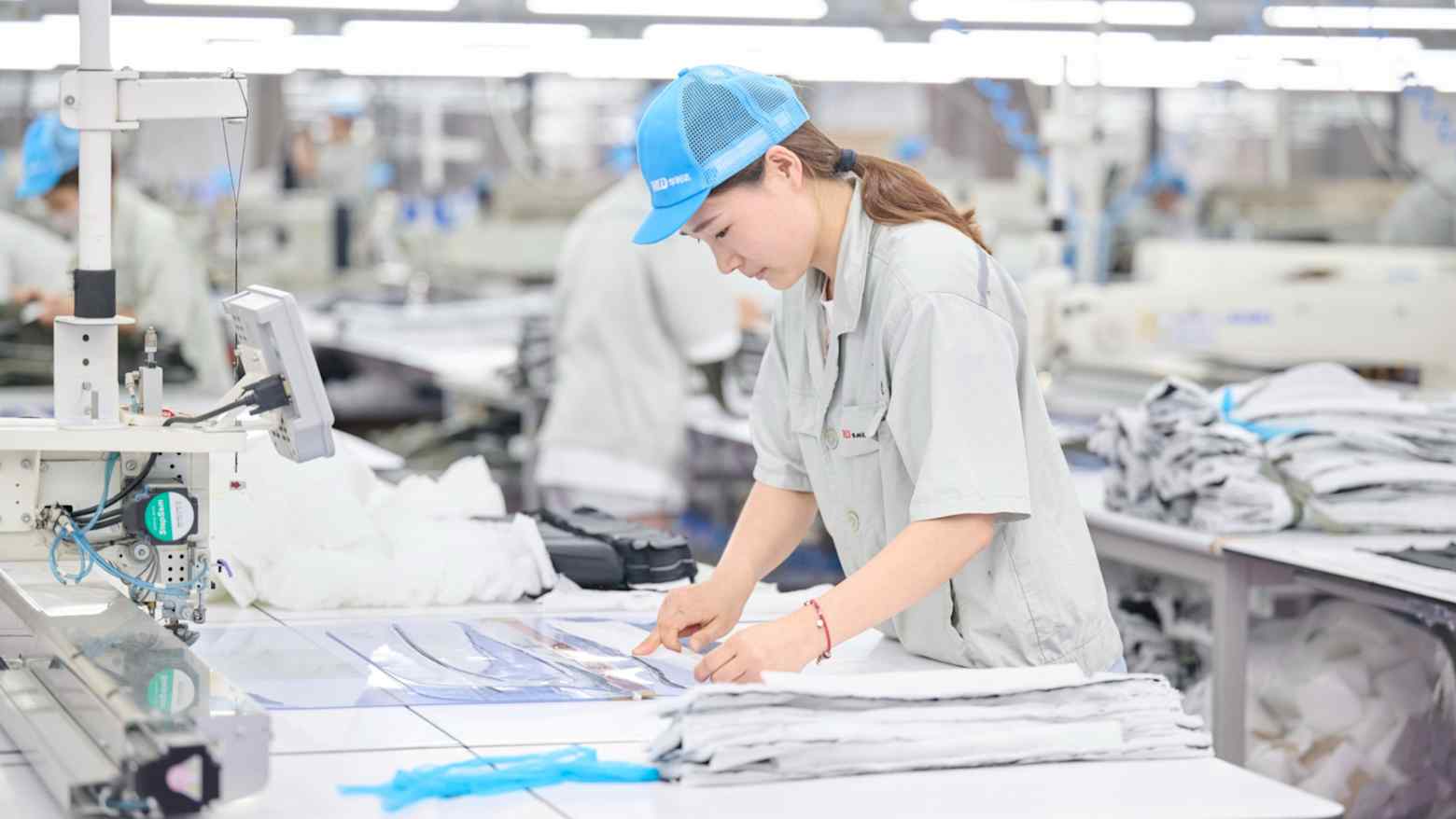
At the center of the effort is a more demanding set of audit criteria applied across the company's network of partner factories, most of them spread across Asia. Rather than treating supplier oversight as a periodic box checking exercise, Fast Retailing is moving toward continuous scrutiny of working conditions, wages, hours, and the treatment of the people who cut, sew, and finish its clothing. The aim is to catch problems earlier and to leave less room for abuses to hide between inspections.
Why the timing matters
The move is closely tied to Europe, where new rules will require large companies to identify and address human rights and environmental harm throughout their value chains rather than only within their own walls. Under that framework, a retailer can no longer plead ignorance about conditions at a subcontractor several tiers down. Brands that sell into the European market are now racing to map their suppliers, document their checks, and prove that they acted when warning signs appeared.
The forced labor question
Apparel has spent years under a microscope over where its raw materials come from, with cotton sourcing drawing particular attention. Fast Retailing, like many of its peers, has faced questions about traceability and the risk of forced labor slipping into long and complicated supply lines. Tighter monitoring is partly an answer to that pressure, an attempt to show customers and regulators that the company can follow a garment back to its origins and stand behind how it was made.
An industry signal
Fast Retailing is one of the largest clothing makers in the world, so the standards it sets tend to ripple outward. When a buyer of its size demands more detailed records, faster corrective action, and clearer grievance channels for workers, suppliers that want to keep the business have little choice but to adapt. That gives a single corporate policy the weight of an industry benchmark, nudging factories toward practices that may eventually become the norm rather than the exception.
The harder part
Stronger rules on paper are only as good as the enforcement behind them. The real test will be whether the new system surfaces uncomfortable findings and whether the company acts on them when doing so carries a cost in time, money, or supply. Credible oversight means being willing to pause orders, retrain managers, or walk away from a factory that will not improve. For now, Fast Retailing is signaling that it wants to stay ahead of the regulation rather than chase it, and the coming months will show how far that commitment reaches.