
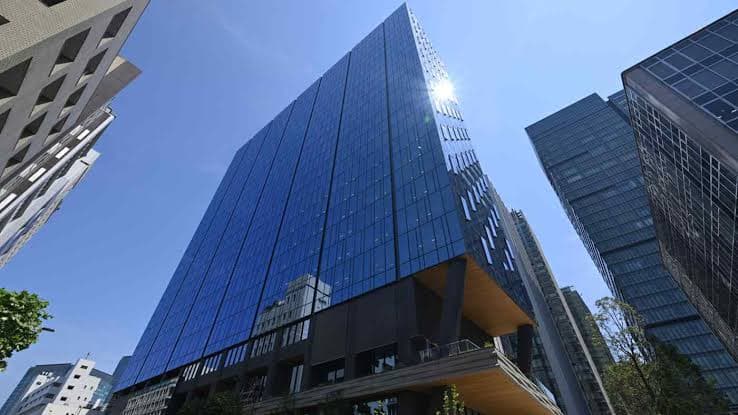
Brookfield has planted its flag in a corner of Japan it had not touched before. The Canadian asset management giant, one of the largest owners of real estate in the world, has agreed to buy a portfolio of rental apartment buildings spread across four of Japan's biggest urban markets, in a deal worth around 627 million dollars, or more than 100 billion yen. It marks the firm's first venture into Japanese residential property, and it slots neatly into a much larger ambition the group has been pursuing across the country.
The purchase is modest by Brookfield's standards, but its significance lies in the direction it points. Having already spent heavily on offices, mixed-use complexes, logistics and hospitality in Japan, the firm is now adding the one major property type it had so far left out. Rental housing rounds out its Japanese holdings and gives it exposure to a segment that global investors increasingly regard as one of the safest bets in the country's entire real estate landscape.
Why apartments, and why now
The appeal of Japanese rental housing comes down to a rare combination of cheap money and dependable income. Japan's interest rates remain far lower than those in most other advanced economies, which means the cost of borrowing to buy a building sits well below the rent that building generates. That positive spread, increasingly hard to find elsewhere in the world, lets an investor earn a comfortable return on borrowed money in a way that has become almost impossible in higher-rate markets.
Rental income in Japan is also unusually steady. Tenants tend to stay, occupancy in the big cities runs high, and rents move within a narrow band rather than swinging wildly with the economy. For a large institution seeking predictable cash flow rather than spectacular gains, that stability is precisely the point. Apartments do not promise the upside of a hot office tower, but they rarely deliver the nasty surprises either, and in an uncertain world that reliability carries a premium.
A weak yen sweetens the entry
The soft yen only makes the math more attractive for a foreign buyer. A currency trading near multi-decade lows means an overseas investor converting dollars or euros into yen can buy more building for its money than it could a few years ago, effectively putting Japanese property on sale for those who earn abroad. Combine that discount with the low cost of local financing and the steady rents, and the case for piling into Japanese housing writes itself.
Demographics add a final twist that runs counter to intuition. Japan's overall population is shrinking, which might seem to argue against betting on housing, yet people keep concentrating in the largest cities even as the countryside empties. That flow into urban centers keeps demand for city apartments firm, and investors like Brookfield are targeting exactly those places where the population is holding up or growing rather than the regions in decline.
In a world starved of safe yield, a Japanese apartment building financed with cheap local debt has become one of the most sought-after assets in real estate.
Part of a much bigger plan
The housing deal is one piece of an aggressive expansion that Brookfield has been building for some time. The firm has signaled its intention to pour billions more into Japanese property over the coming years, treating the country as one of its priority markets globally. Earlier purchases running into the billions across offices, land and complexes set the stage, and the move into apartments shows the group filling out a portfolio meant to span every major slice of the market.
Brookfield is far from alone in this rush. A roster of the world's biggest private capital groups has been circling Japanese real estate, drawn by the same blend of low rates, cheap currency and stable income, and competing to snap up everything from downtown towers to rental blocks and hotels. The result is a wave of foreign money washing into a market that for years attracted far less attention, and each new deal encourages the next.
What it signals
For Japan, the influx is a mixed blessing dressed as a vote of confidence. Global capital validates the country's property market and brings fresh investment into its cities, but it also hands ownership of a growing slice of the housing where ordinary people live to distant institutions focused on returns. As foreign landlords accumulate more of the nation's apartments, questions about rents, management and long-term stewardship are likely to follow the money.
For now, though, the trend runs firmly in one direction. As long as Japanese interest rates stay low, the yen stays weak and the big cities keep drawing people in, the arithmetic that lured Brookfield into apartments will keep luring others behind it. This first residential deal is unlikely to be the firm's last, and the broader march of global investors into Japanese housing shows every sign of accelerating rather than slowing.