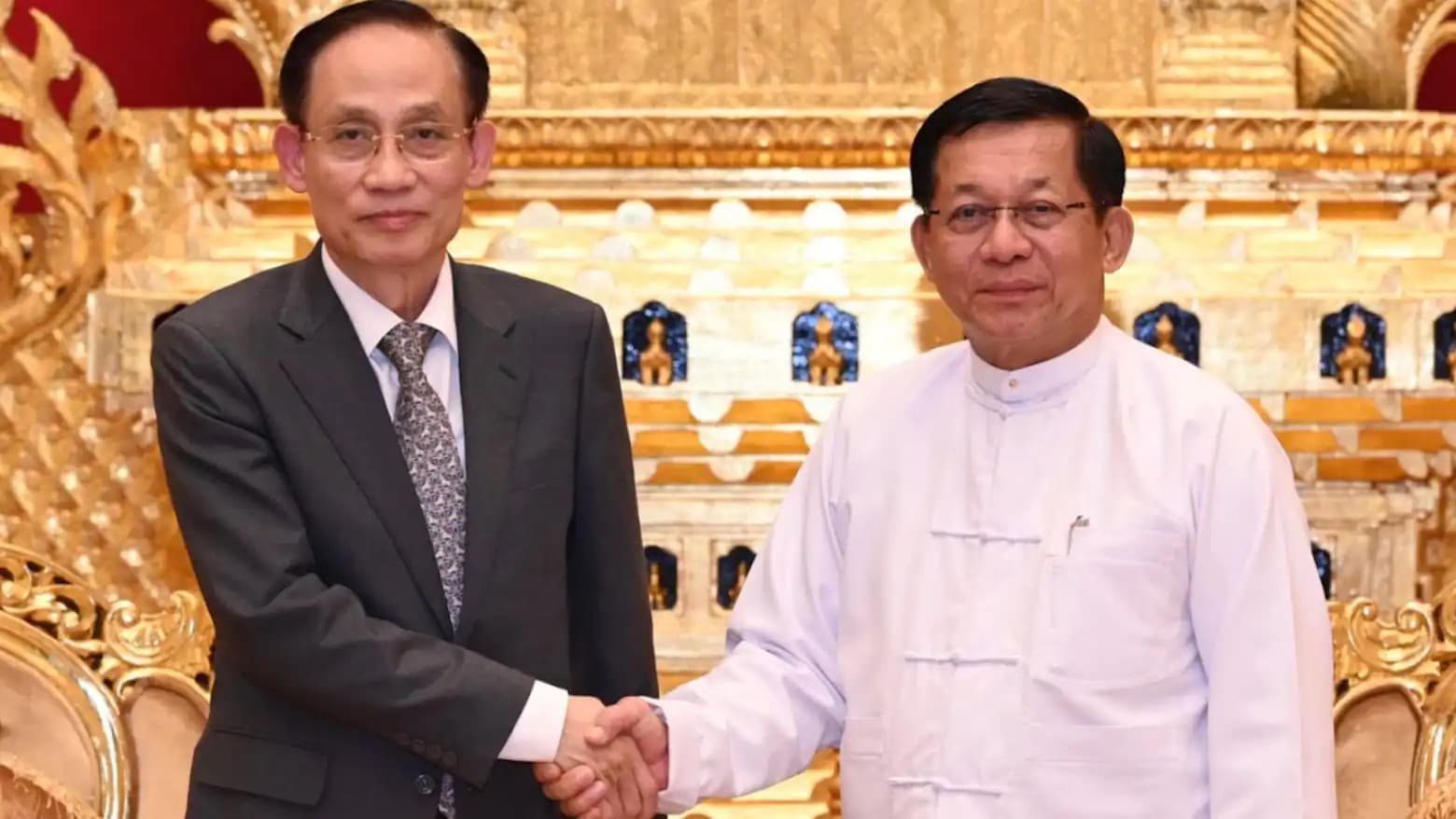
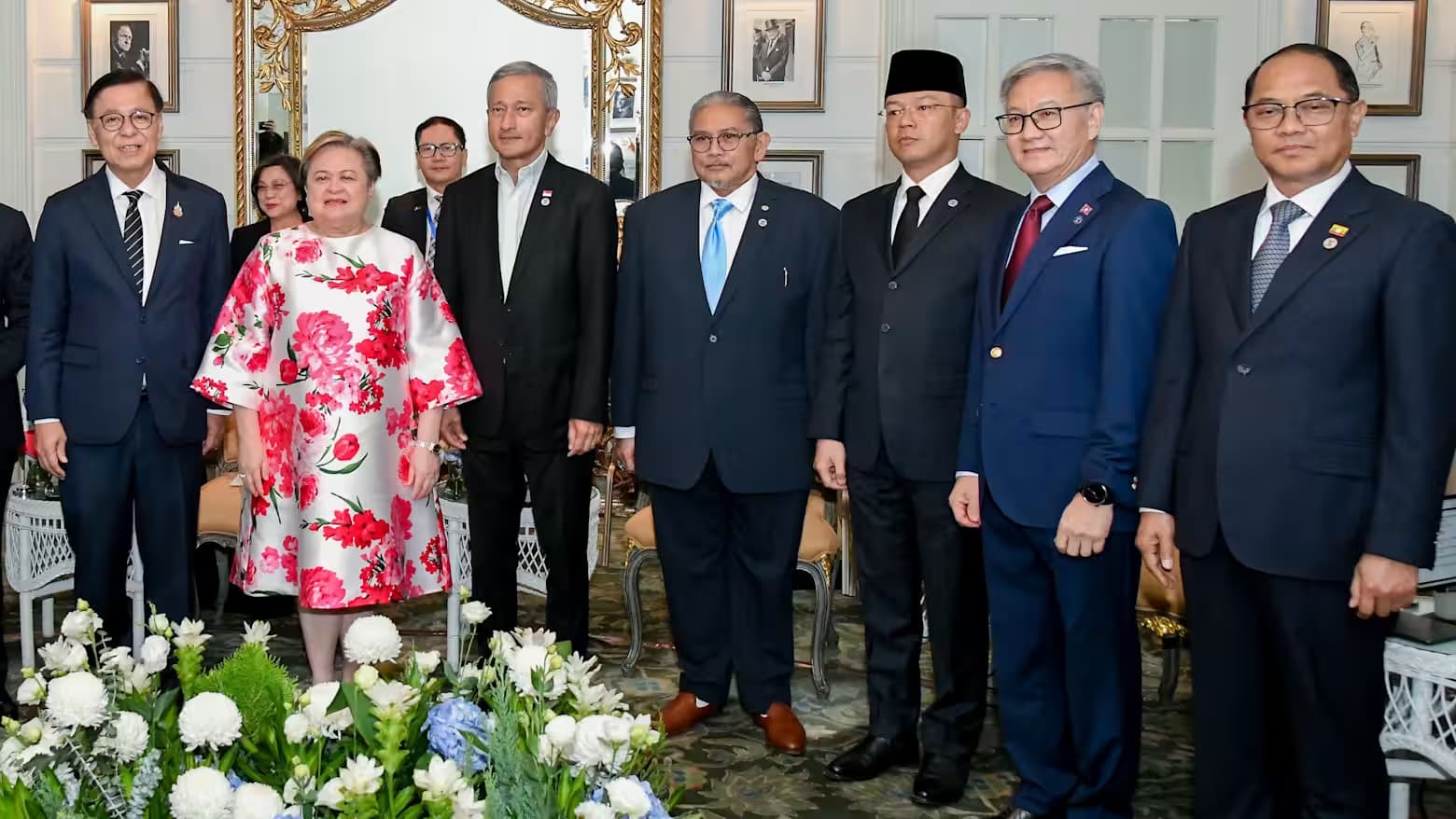
It was a photograph few would have predicted a year ago. Gathered in a Bangkok drawing room, the foreign ministers of Southeast Asia posed for the cameras, and standing among them was a representative of Myanmar's military government. For a bloc that had spent years keeping the junta's political leaders out of its most important meetings, simply allowing the country back into the group portrait counted as news.
The occasion was an informal gathering hosted in Thailand, and the guest at the center of the intrigue was Myanmar's foreign minister, Tin Maung Swe. His presence marked the first time since the military seized power in early 2021 that a junta figure of his rank had joined an ASEAN meeting of this kind. After years of cold shoulders and empty chairs, the region had extended something that looked like an olive branch.
A thaw in tone, not in terms
The warmth, though, went only so far. ASEAN offered engagement, a seat, and a round of handshakes, but it did not offer concessions. The bloc's underlying demands remained exactly where they were, and nobody left the room with the impression that the generals had won a change in policy. What changed was the temperature of the conversation, not its content.
That distinction is the whole story. For much of the past four years, ASEAN's approach to Myanmar has been to withhold recognition, barring the junta's top leaders from summits as a way of signaling disapproval without expelling the country outright. The Bangkok meeting softened the freeze at the level of tone while leaving the substance untouched. It was a message that the door is not permanently bolted, paired with a reminder that walking through it still has a price.
The consensus that never delivered
Behind the diplomacy sits a framework the region has clung to since the crisis began. Shortly after the coup, ASEAN leaders extracted a set of commitments from the military, a promise to halt violence, open dialogue with opponents, admit humanitarian aid, and receive a regional envoy. That plan became the benchmark against which the junta has been judged, and by almost any reading it has gone unmet. Violence has continued, dialogue has stalled, and access has been grudging at best.
The bloc has learned that shutting the door changed nothing on the ground, and worries that keeping it shut forever changes even less.
The failure of that plan explains the shift now underway. Isolation was meant to pressure the generals into compliance, yet the fighting has only spread and the suffering deepened. Faced with a strategy that has not worked, some members have concluded that talking, even without reward, is better than a silence that leaves the region no leverage at all. Others remain wary that any softening will be read by the junta as vindication.
A bloc pulled in two directions
That tension runs through ASEAN itself. The group operates by consensus and prizes non interference, principles that make a unified hard line difficult to sustain. Some members, Thailand foremost among them given its long border and deep entanglement with Myanmar, favor pragmatic contact and quiet deal making. Others, stung by the junta's broken promises, want to hold firm and fear that engagement rewards a government that seized power by force.
The Bangkok meeting is an attempt to paper over that divide with a careful middle path. By inviting Myanmar to an informal session rather than a formal summit, and by pairing the invitation with a refusal to concede anything, the bloc tries to satisfy both instincts at once. Whether such a balance can hold as the junta presses for fuller readmission is the question hanging over the months ahead.
What the generals want next
For the military, the meeting is a small but real victory of image. Every handshake with a regional counterpart helps a government starved of legitimacy present itself as a normal actor, and the junta has been eager to stage the elections it says will return the country to civilian rule. Critics dismiss that vote as a device to launder military power behind a democratic facade, and ASEAN's challenge is to engage without appearing to endorse it.
So the region is walking a narrow line. It wants enough contact to keep some influence over a neighbor in flames, but not so much that it blesses a takeover it never accepted. The Bangkok gathering showed how that balance might look in practice, a warmer tone, an open seat, and a firm hand on the demands that remain. The generals are back in the room. Getting the rest of what they want will be a good deal harder.