Samsung Holds Onto Asia's Top Brand Spot for a Third Straight Year | Morning Sun
Samsung Holds Onto Asia's Top Brand Spot for a Third Straight Year
A fresh Nikkei Research poll has Samsung keeping its grip on the title of Asia's most valuable brand for a third consecutive year, with particularly strong support across Southeast Asia. Apple still rules in Vietnam and Taiwan, and Toyota and Honda remain fixtures in the regional top ten.
A hand holds up a smartphone in front of an illuminated Samsung sign at night · Source: Tomoki Mera
Samsung has once again come out on top of Nikkei Research's survey of Asia's most valuable brands, holding the number one spot for a third year running. The result underlines just how durable the South Korean electronics giant's standing has become across a region where consumer loyalty can shift quickly as new devices and marketing campaigns compete for attention.
The poll's regional breakdown shows Samsung's strength is not evenly spread but is especially pronounced in Southeast Asia, where it posted standout support in markets including Thailand and Malaysia. That pattern suggests Samsung has built something closer to a default choice for many consumers in those countries, rather than simply edging out rivals on a close call.
Apple's strongholds stay firmly Apple's
Samsung's regional dominance has clear limits, and they fall exactly where they have for several years now. Apple remains the top ranked brand in both Vietnam and Taiwan, two markets where the iPhone maker's premium positioning and loyal user base have proven resistant to Samsung's broader regional pull. The split points to a durable divide in Asian consumer electronics, with Samsung commanding breadth across the region while Apple holds depth in a smaller number of markets where its brand carries particular weight.
That divide also hints at how differently the two companies are perceived depending on local market history and price sensitivity. Where Samsung has leaned on a wide range of devices spanning multiple price points, Apple's strength in Vietnam and Taiwan reflects markets where its premium image and ecosystem have taken especially deep root, making it harder for a broader, more price diverse rival to dislodge.
Japanese carmakers keep their seat at the table
Outside the smartphone rivalry, the survey's other notable thread is how well Japan's biggest automakers continue to perform. Toyota and Honda both remain inside the overall top ten brands across Asia, a sign that decades of reputation for reliability and value continue to translate into brand strength even as the region's consumer electronics landscape shifts around them.
Holding a top ten spot alongside global technology giants is no small feat for an industry built on a fundamentally different purchase cycle than phones or televisions. It suggests that Asian consumers still weigh trust and durability heavily when ranking the brands that matter most to them, and that Toyota and Honda have managed to carry that trust forward even as newer, flashier categories dominate headlines.
A brand ranking that puts a smartphone maker and a carmaker in the same top ten says as much about consumer trust as it does about any single product cycle.
What three years of consistency signals
A single year atop a brand survey could be dismissed as a momentary blip, but a third consecutive year for Samsung points to something more structural. It suggests the company has succeeded in embedding itself across enough product categories and enough individual markets that no single competitor, Apple included, can match its overall regional footprint, even while losing specific battles in Vietnam and Taiwan.
For Samsung's rivals, the survey is less a one time alarm than a reminder of the scale of the challenge ahead. Dethroning a brand with this much regional breadth would likely require gains across several markets at once rather than a single breakthrough product, and for now Samsung's lead across Asia looks built to last rather than built to fade.
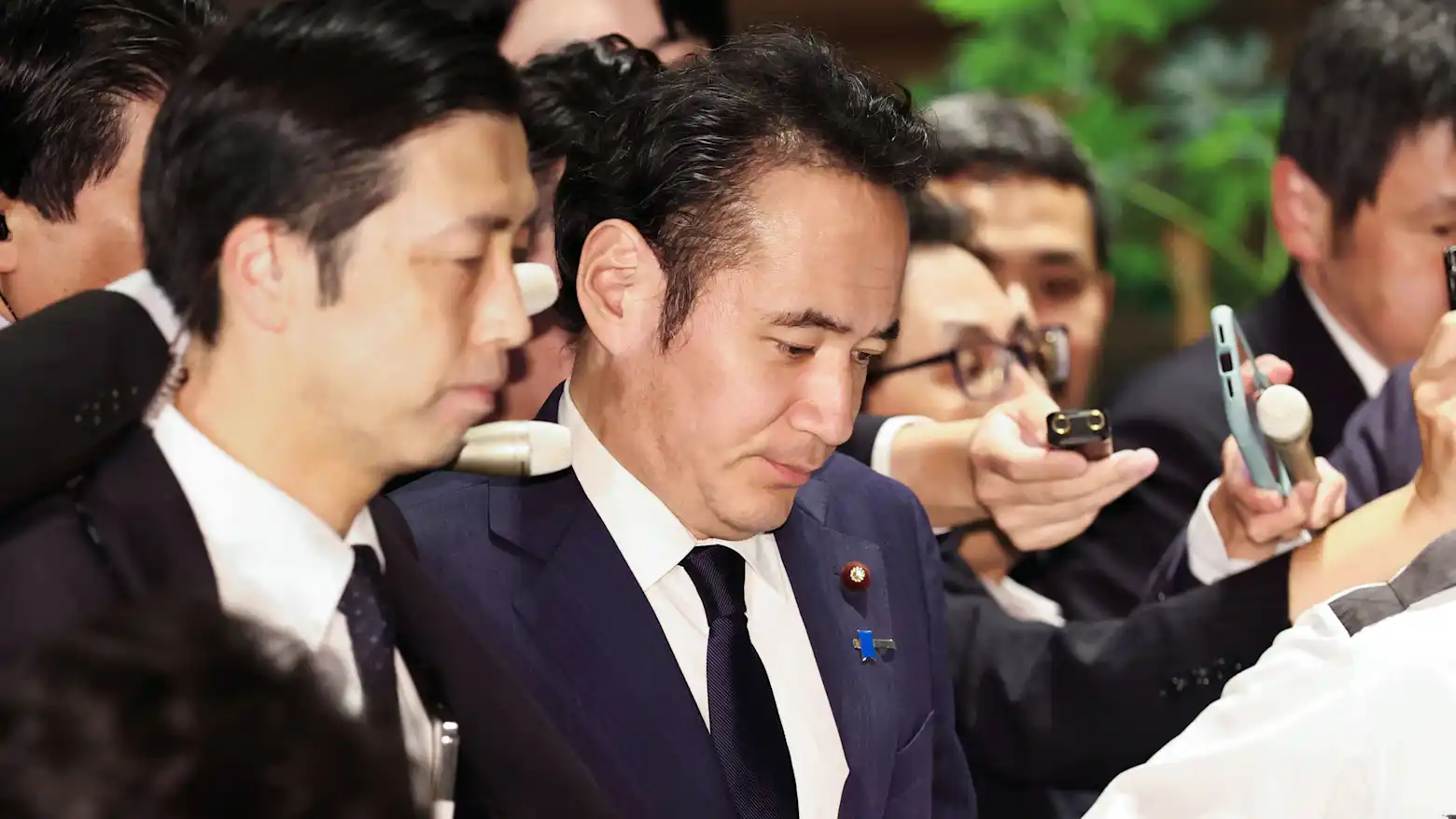
Kazuo Yana has stepped down as agriculture minister less than a month after Prime Minister Sanae Takaichi gave him the post in her cabinet reshuffle, worn down by a string of controversies that piled up almost as soon as he was sworn in. The early exit is an unwelcome distraction for a government already fighting to project stability.
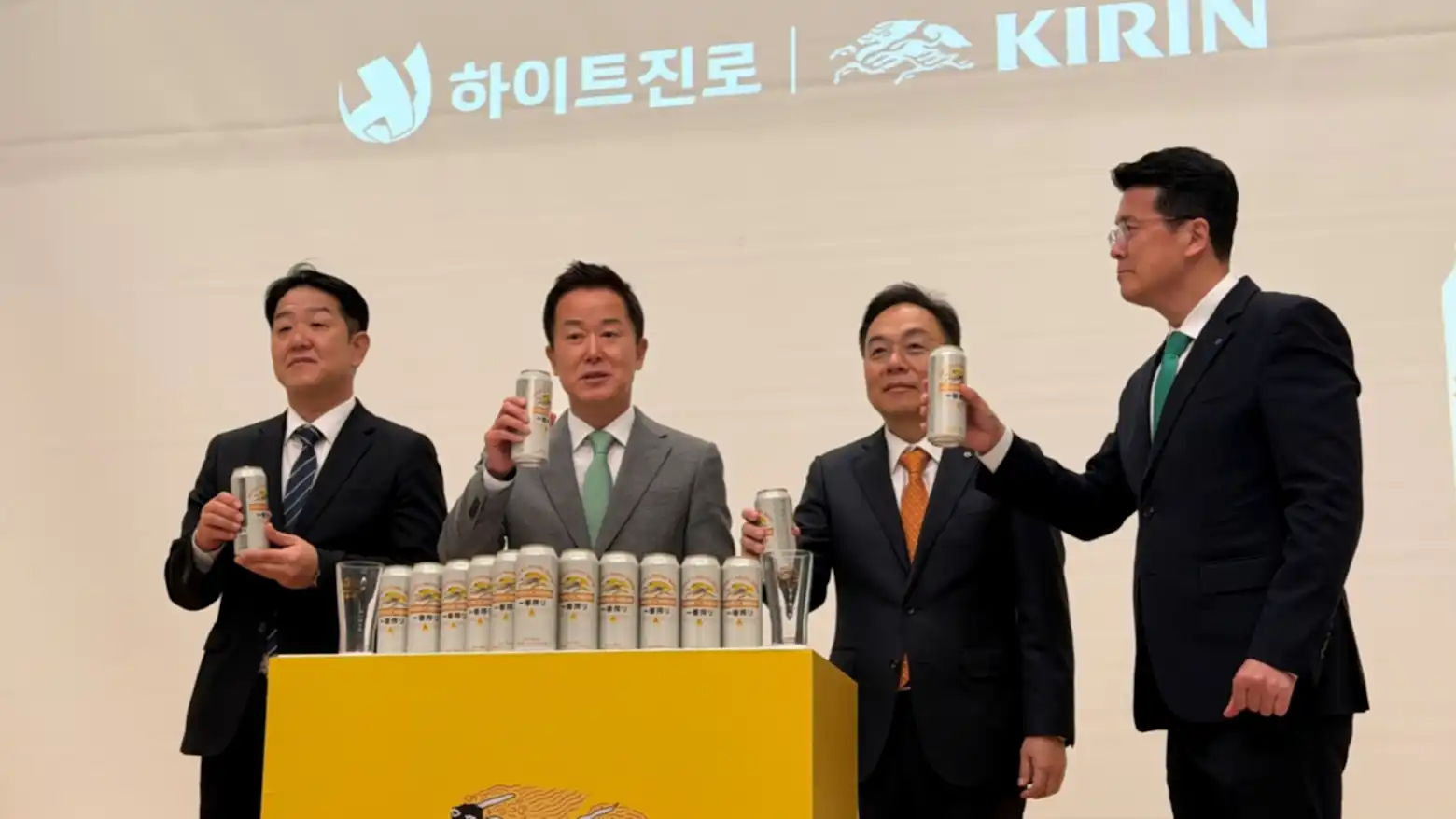
South Korea's HiteJinro has struck a deal to brew Kirin's flagship Ichiban Shibori beer at its own plant, becoming the first unaffiliated Asian brewer entrusted with the Japanese company's production technology. The arrangement reflects how fast Japanese beer has caught on with younger South Korean drinkers.
Climbing interest rates and still rising home prices are pushing young buyers in Japan and Australia toward the same choice: keep renting and invest the difference. Institutional money is reaching the same conclusion, and rental housing in both countries is becoming one of the more crowded trades in Asia Pacific property.
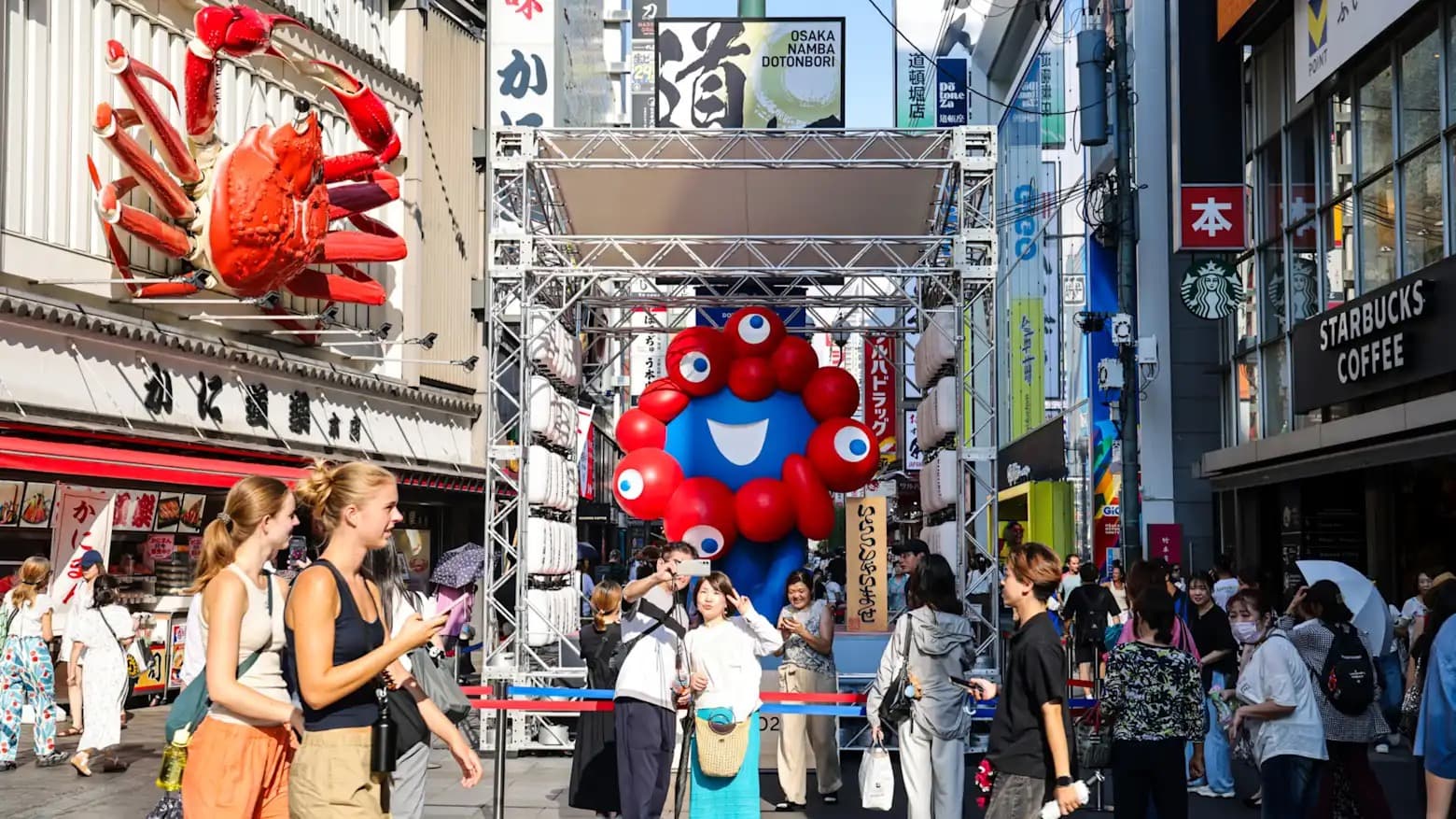
Chinese arrivals have collapsed since Prime Minister Sanae Takaichi called a potential Taiwan invasion an existential threat, and while tourists from South Korea, Taiwan and elsewhere are filling some of the gap, the overall spending windfall is starting to shrink.
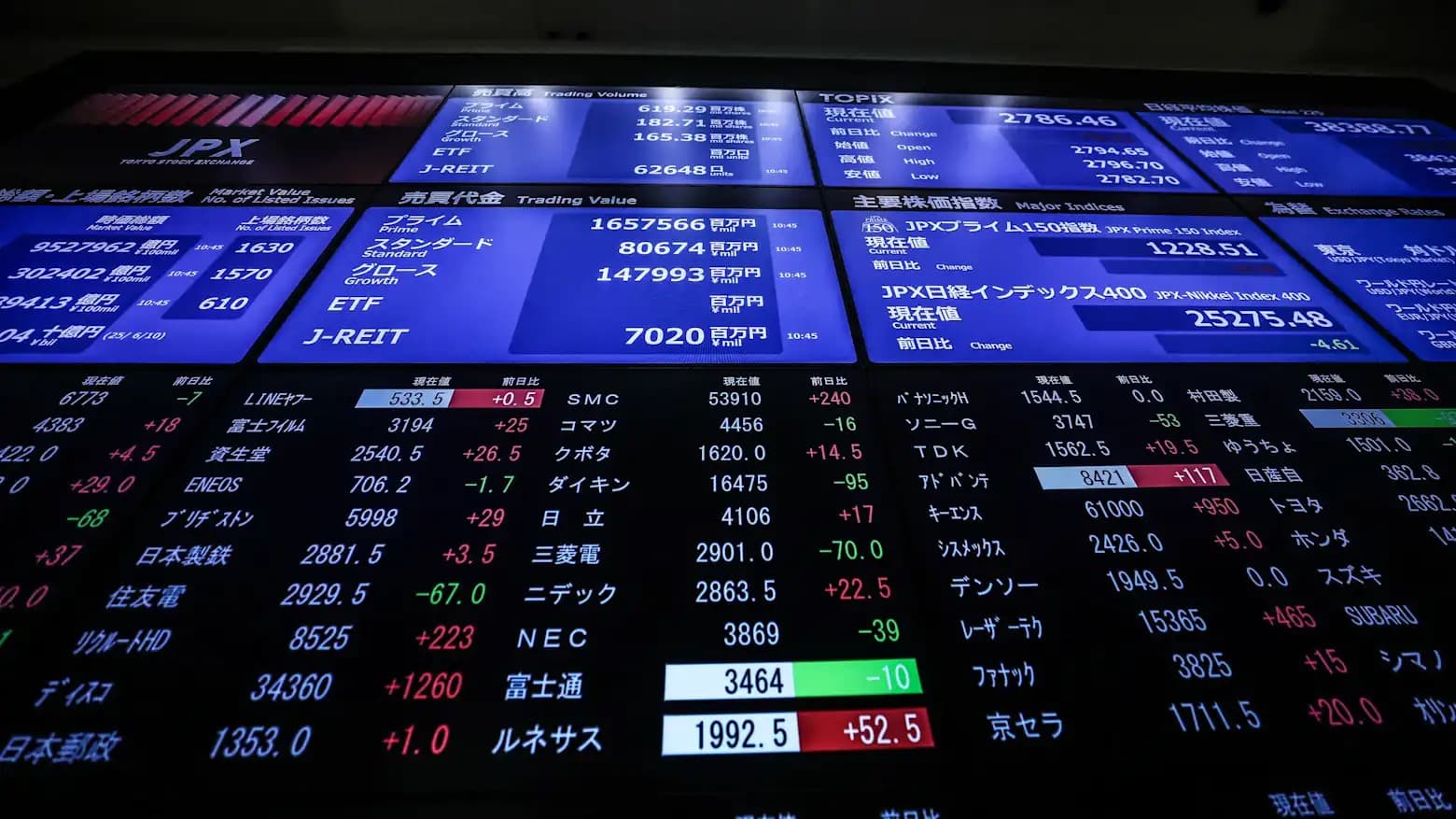
With roughly 166 trillion yen in passive money tracking TOPIX, the index's biggest ever overhaul is already reshaping how small Japanese companies behave, long before most of the cuts actually take effect.