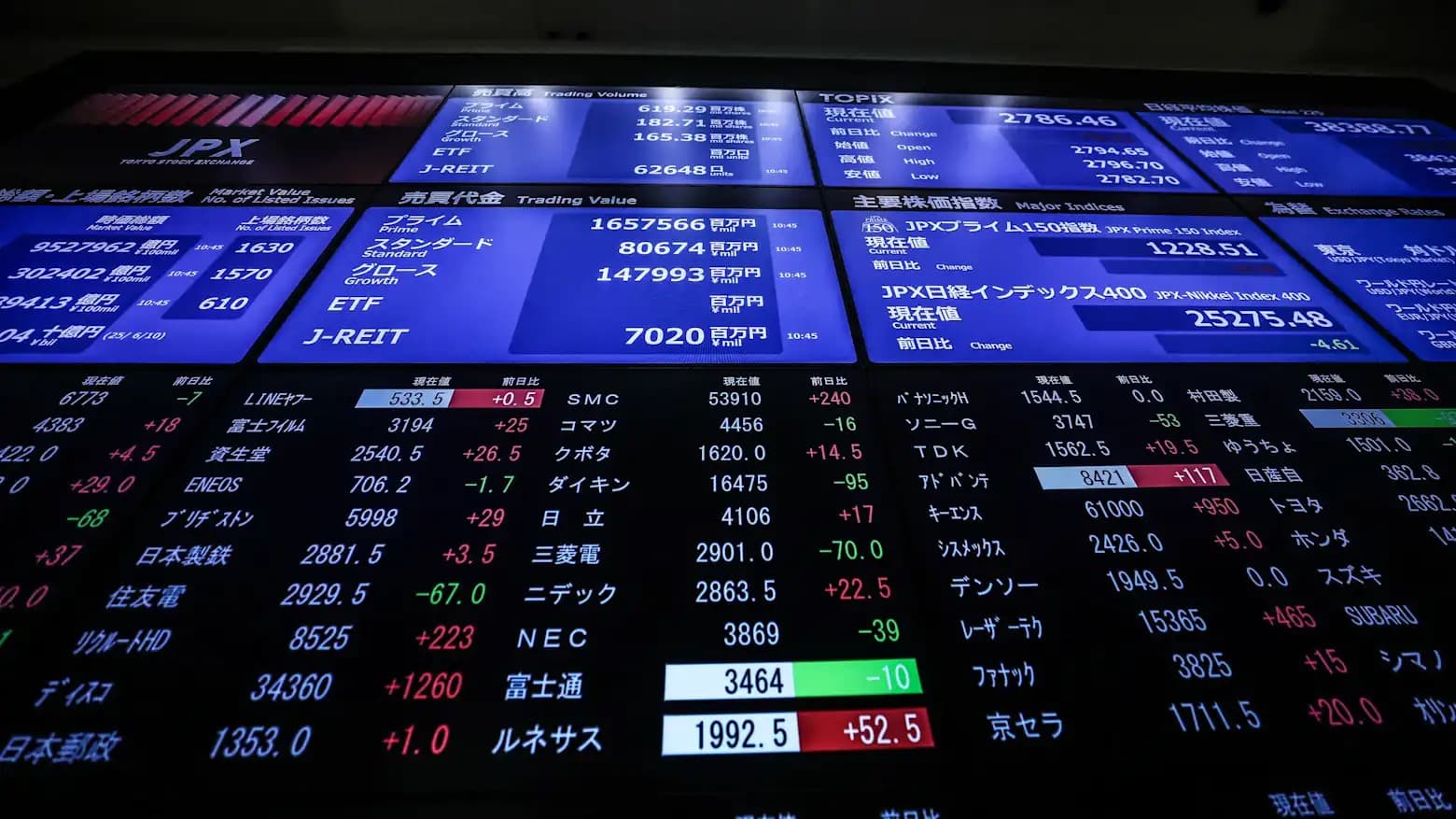
Japan's biggest ever stock index overhaul is not just a technical housekeeping exercise for index committees, it is a direct lever on roughly one hundred sixty six trillion yen, or about one point one trillion dollars, in passive money that tracks TOPIX and has to follow wherever the index itself goes. That scale is what turns a seemingly dry announcement about inclusion criteria into a genuine market moving event, one already changing how companies behave well before most of the actual cuts take effect.
Here is what the reshuffle actually changes, and why it matters beyond the headline count of companies being dropped.
The cuts are not a cliff edge
Stocks selected for removal will not vanish from TOPIX overnight. Instead, their weightings inside the index will be reduced gradually on a quarterly basis all the way through July 2028, giving passive funds a structured, predictable schedule to unwind their positions rather than forcing a disorderly rush for the exits. That phased approach softens what could otherwise be a chaotic selling event, spreading the pressure on affected stocks across nearly two years instead of concentrating it all at once.
New entrants get the opposite treatment
Stocks newly added to the index see the reverse dynamic. Because passive funds tracking TOPIX are required to hold every constituent in proportion to its weighting, inclusion triggers close to immediate buying pressure as those funds adjust their holdings to match the updated index. That mechanical demand is part of why inclusion itself has become something companies actively campaign for, independent of their underlying business performance.
The selection criteria target a very specific problem
Rather than relying purely on raw market capitalization, the new rules weigh annual traded value turnover, essentially how actively a stock's shares actually change hands, alongside the market value of shares genuinely available to public investors. That combination hits companies with heavy cross shareholdings particularly hard, since shares locked up in those long standing corporate relationships count against a company's effective free float even when its total market value looks substantial on paper.
Companies are already changing their behavior
The clearest sign of the reshuffle's influence shows up well before any formal exclusion takes effect. Small cap companies at risk of being dropped have ramped up shareholder returns, buybacks and dividend increases chief among them, specifically to keep their share prices and trading activity healthy enough to clear the new bar. That shift has already helped lift share prices across a swath of smaller Japanese companies, a direct market reaction to a rule change that has not even finished rolling out.
Not every defensive move is created equal
That raises a genuine question for investors trying to separate real signal from short term maneuvering: whether a given company's sudden enthusiasm for buybacks and dividends reflects a lasting commitment to better capital discipline, or simply a temporary push to avoid the specific embarrassment and mechanical selling pressure that comes with being dropped from TOPIX. Distinguishing between the two is likely to matter more for stock picking in the Japanese market over the next two years than it has in a long time, since the index reshuffle has effectively put a spotlight, and a deadline, on exactly the kind of governance questions investors in Japan have been asking about for years.