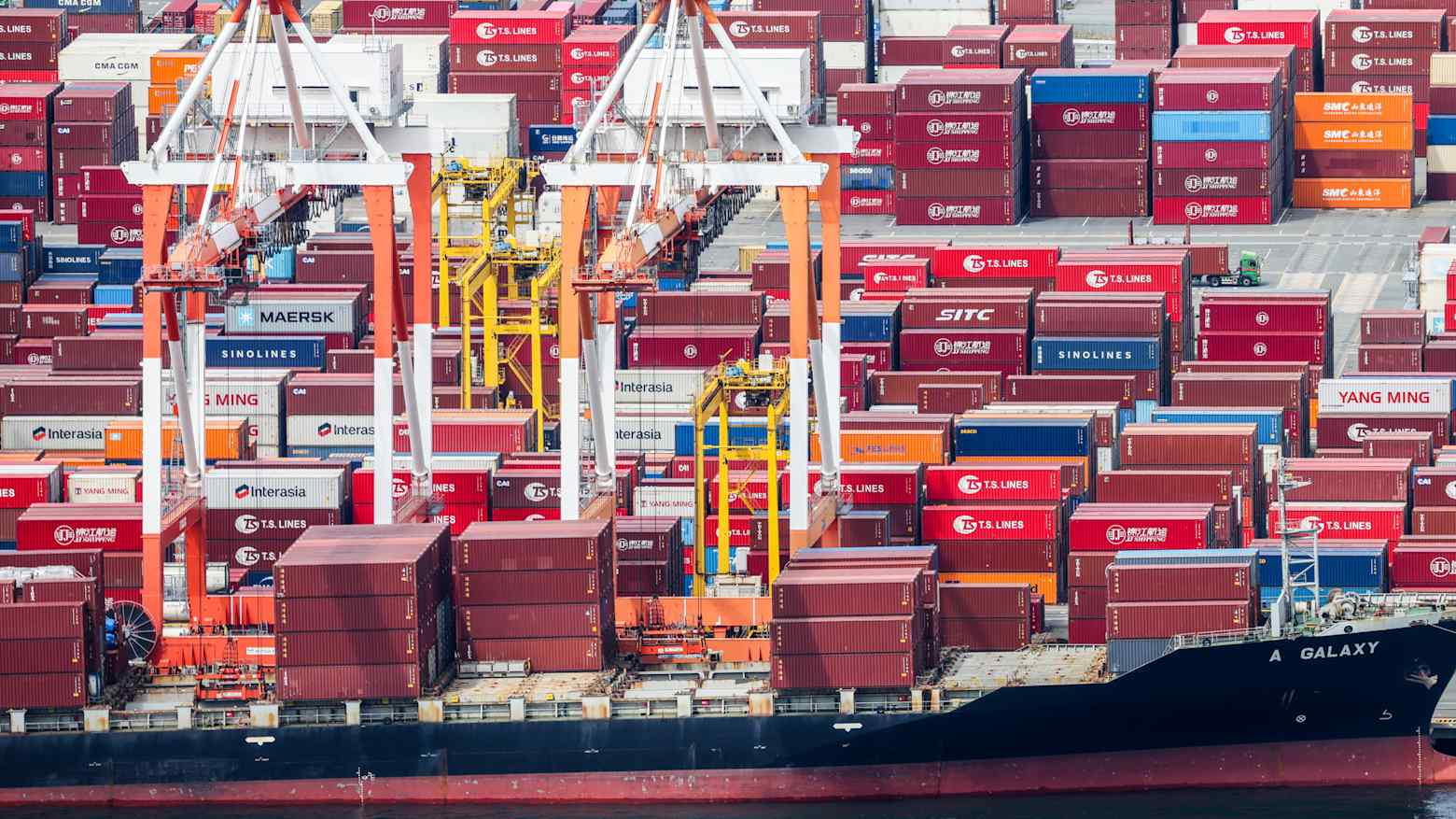
Japan is quietly rewiring one of the less visible parts of its supply chain. The country is buying less of its naphtha from the Middle East and spreading its purchases across a wider set of suppliers, a shift that says as much about geopolitics as it does about chemistry.
Naphtha is the unglamorous workhorse of the petrochemical industry. Refined from crude oil, it is the feedstock that gets cracked into the building blocks of plastics and a long list of everyday goods, from packaging to the polymers used in products like diapers and sanitary pads. For a manufacturing economy like Japan's, a steady and affordable supply of it is essential.
Loosening the Gulf grip
For years the Middle East was the natural place to source that feedstock. Now trade figures point to a more diversified picture. Recent customs data showed the year on year decline in naphtha imports easing in May, with Japan drawing on a broader range of regions, including the United States and Europe, rather than leaning so heavily on Gulf producers.
The change is gradual rather than abrupt. Japan is not turning its back on Middle Eastern suppliers so much as reducing how much it depends on any single source. The aim is resilience, a supply base wide enough that trouble in one region does not translate directly into a shortage at home.
Why the map is shifting
Geopolitics is the obvious driver. Tension in the Middle East, and the ever present worry about safe passage through the Strait of Hormuz, has made buyers think harder about routes and risk. When a large share of a critical input has to travel through a single chokepoint, every flare up becomes a supply question.
Economics matters too. The rise of new production, particularly the wave of cheaper feedstock tied to American shale, has given importers more places to shop. As supply widens globally, Japanese buyers can balance price, reliability, and distance in a way that was harder when the Gulf dominated the trade.
What it means for Japan
A more varied supplier list brings advantages and costs. The upside is security, because spreading purchases reduces the damage any single disruption can do. The downside is complexity, since longer and more numerous trade routes can mean higher shipping costs and more logistics to manage.
For Japan's petrochemical makers, the calculation is about keeping the crackers fed without overexposing themselves to one volatile region. That same logic is playing out across the country's wider resource strategy, where the lesson of recent years has been that concentration is a risk in itself.
The naphtha shift is a small example of a larger idea taking hold in Tokyo. In a world where supply lines can be cut by conflict as easily as by markets, having options is no longer a luxury. It is the point.