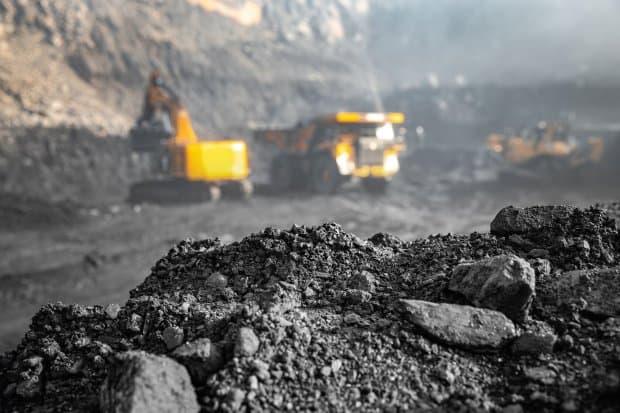
Indonesia is one of the world's biggest coal exporters, and yet it is struggling to keep coal flowing to its own power plants. That contradiction sits at the heart of an energy crisis that industry insiders warn could deepen, with the risk of more blackouts in a country that runs largely on the fuel it digs up.
Coal fired stations generate more than two thirds of Indonesia's electricity, so the reliability of the grid depends on a steady stream of domestic supply. When that stream falters, the lights flicker. Recent rolling blackouts have exposed how thin the margin has become, and executives describe the underlying problem as long running mismanagement of how commodities reach the power sector rather than a simple shortage of coal in the ground.
The export pull
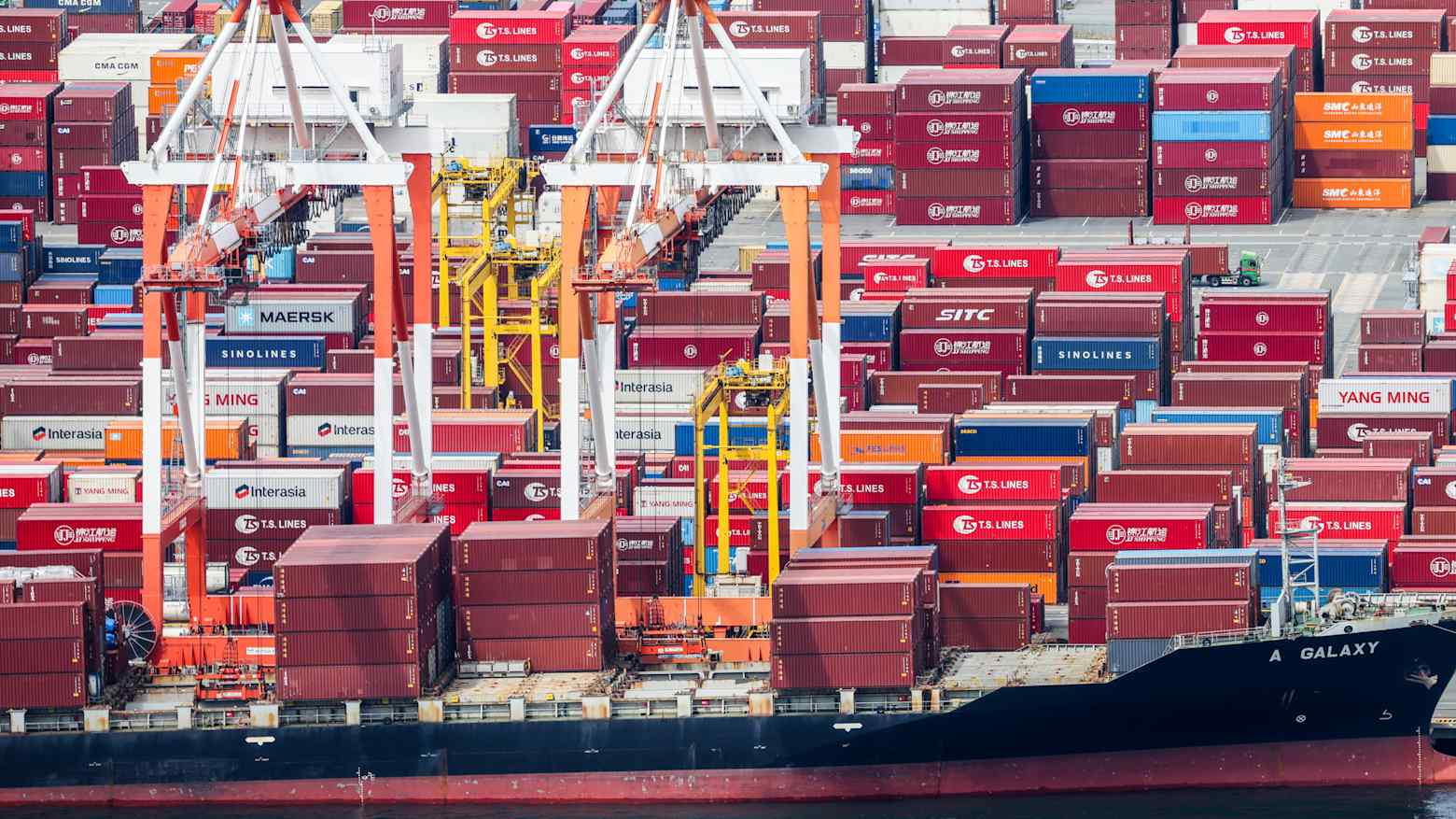
The trouble starts with a basic mismatch of incentives. Indonesian miners can earn far more selling coal abroad than at home, where they are bound by a domestic market obligation that requires them to set aside a share of output for local power generation at capped prices.
For many producers the math is straightforward. Ship the coal overseas at world prices, pocket the higher margin, and treat the penalty for missing the domestic quota as a cost of doing business. When fines are smaller than the profit lost by selling cheaply at home, the rule bends, and the state utility is left short.
PLN in the middle
That state utility, PLN, sits in the squeeze. It has to keep the grid running while depending on suppliers who would rather sell elsewhere, and it operates under price controls that limit how much it can pay to secure coal in a pinch. The result is a system that works only as long as everyone follows rules that run against their own financial interest.
When supply tightens, PLN has few good options. It can lean on the government to enforce the quota, scramble for spot cargoes at higher cost, or ration power. None of those choices is fast, and all of them carry a price, whether in money, reliability, or public trust.
A crisis with many fronts
The power strain has arrived alongside wider economic pressure. The government has rolled out a stimulus package worth more than a billion dollars to steady the economy and support a weakening currency, while the central bank has moved to raise interest rates. Investors are watching closely, with the country's standing in global indexes flagged for possible review later in the year.
Energy sits near the center of that anxiety. A reliable grid is the backbone of industry and investment, and repeated blackouts send a signal that the basics are not being managed well. For a fast growing economy that wants to attract factories and data centers, unreliable power is more than an inconvenience.
The fix is structural
The deeper issue is that the current setup asks miners to act against their own incentives and then acts surprised when they do not. Patching the gap with bigger fines or emergency cargoes treats the symptom. A durable answer would have to realign the economics, so that supplying the domestic grid is something producers want to do rather than something they are forced to do.
Until that happens, Indonesia is left in an awkward position. It has plenty of coal, plenty of buyers, and a grid that still cannot count on getting enough of its own fuel when it needs it most.