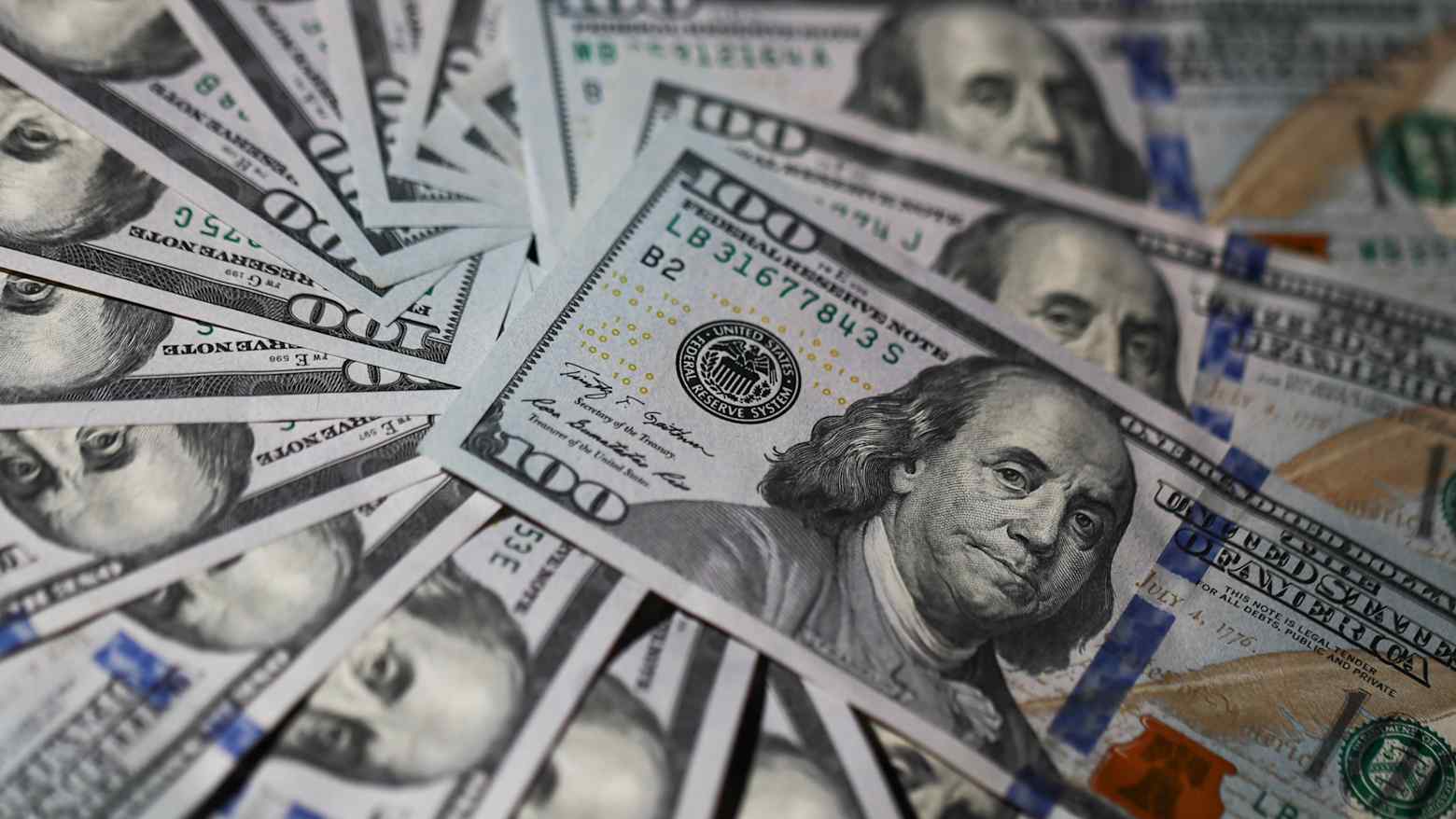
Japan's largest banks are confronting an unusual problem. They have helped pledge a record sum to the United States, and now they have to find the dollars to pay for it.
The commitment traces back to the trade agreement that Tokyo and Washington reached in the summer of 2025. Under that deal the United States agreed to lower the tariffs it had threatened on Japanese cars and other goods, setting the headline rate on most imports at 15 percent. In return Japan promised to channel up to 550 billion dollars into American projects through a mix of investment, loans, and loan guarantees.
That promise is now moving from the negotiating table to the balance sheet, and the mechanics are proving harder than the politics. The money is denominated in dollars, but Japanese banks raise most of their funding at home in yen. Converting commitments of this size into reliable dollar financing is a different exercise altogether, and bankers are warning that it will not be simple.
A pledge built for Washington
The 550 billion dollar figure was the centerpiece of the agreement. Much of it is expected to flow through state-backed institutions, led by the Japan Bank for International Cooperation, the policy lender that finances overseas projects of strategic interest, alongside the trade insurer Nippon Export and Investment Insurance.
Private banks are meant to supply a large share of the rest, and that is where the strain begins. Public lenders can lean on government backing, but commercial banks have to source dollars from the market. Doing so on this scale, on a deadline shaped by diplomacy rather than business cycles, leaves little room for error.
The dollar funding squeeze
Japanese banks have several ways to raise dollars. They can gather dollar deposits, issue dollar bonds, or use currency swaps to convert yen into dollars for a set period. Each route has a cost, and each becomes more expensive when a bank needs a great deal of currency in a short window. Heavy demand from a handful of large institutions can push up funding costs across the market and ripple into the price of the swaps that other companies rely on.
That is the worry that has reached policymakers. According to reporting by the Nikkei, officials in the private sector have asked the government and the Bank of Japan for help in securing foreign exchange without disrupting the smooth working of financial markets. The central bank holds substantial dollar reserves and has tools that can ease short-term dollar shortages, which makes it a natural point of contact when private funding looks tight.
Why the timing is delicate
The first round of projects under the agreement is only the beginning. The framework anticipates further commitments, which means the funding question will not end once the initial deals are signed. Banks are trying to build a structure that can be repeated rather than a one-time scramble.
There is also the matter of who benefits. The agreement gives Washington wide say over which projects receive the money and how the returns are shared, an arrangement that places much of the upside with the American side. For Japanese lenders that raises a familiar tension, because they are being asked to carry the funding risk of a national commitment while the commercial rewards remain uncertain.
What to watch next
The next signals will come from how the megabanks, Mitsubishi UFJ, Sumitomo Mitsui, and Mizuho, choose to raise the early tranches, and from whether the Bank of Japan shows any willingness to provide dollar liquidity if conditions tighten. Bond issuance plans, swap market pricing, and any official guidance on foreign exchange support will reveal whether the pledge can be funded quietly or whether it starts to leave marks on the market.
For now the promise stands and the projects are moving forward. The harder work is happening behind the scenes, in the search for hundreds of billions of dollars that Japan has agreed to spend but still has to go out and find.