
Japan's Ministry of Health, Labour and Welfare is preparing to ease the country's uniform cap on monthly overtime starting next month, allowing companies where labor and management reach agreement to push permitted overtime up to just under one hundred hours, more than double the forty five hour ceiling that has applied broadly since the country's work style reform push began. The shift has sparked a debate over whether Japan is walking back a hard won gain just as it was starting to pay off.
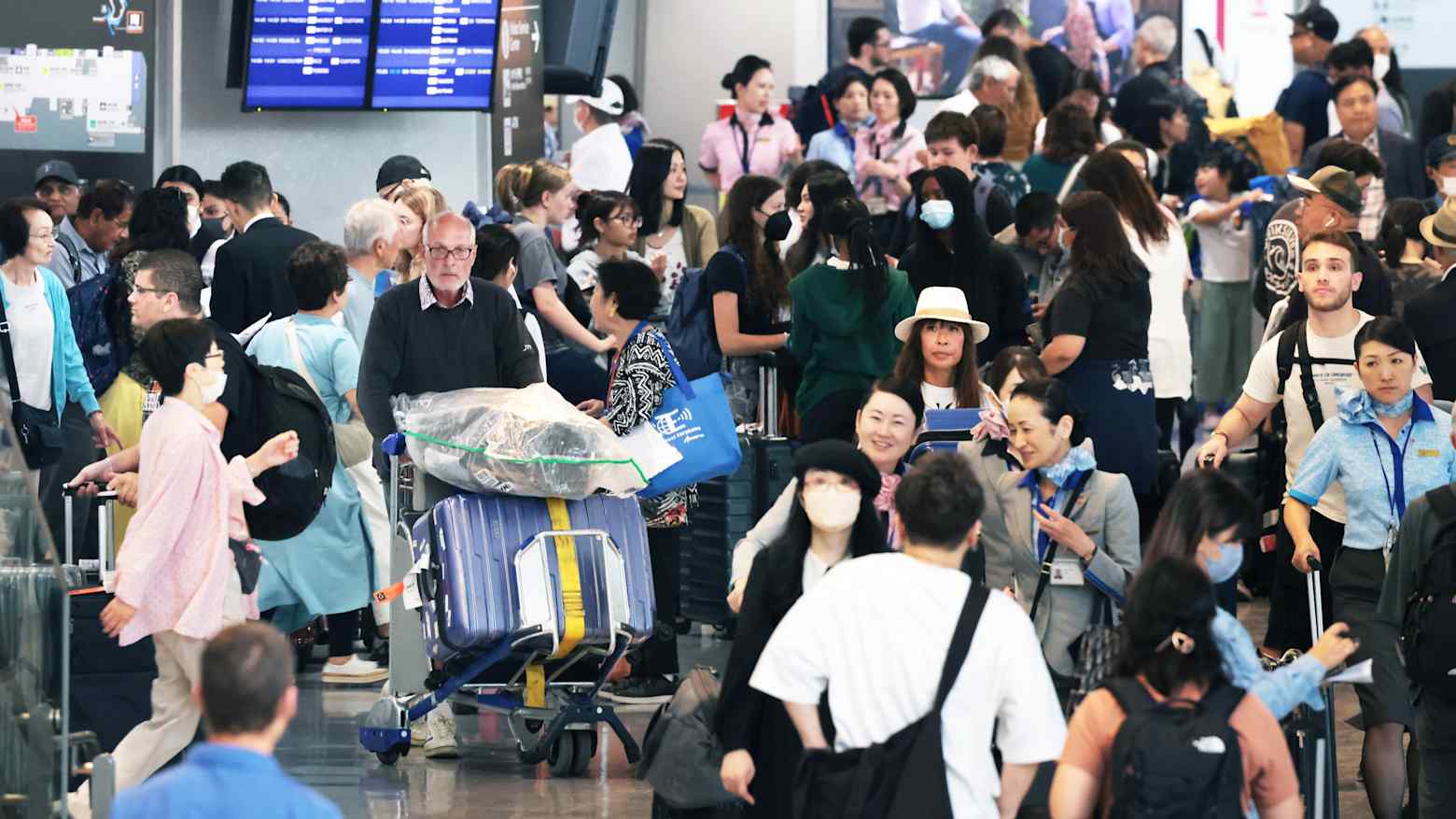
The timing is what makes the change land awkwardly. Recent data shows the average Japanese employee logging roughly one thousand six hundred and fifty four hours a year, a figure that has now dipped below the average in the United States and reflects years of steady progress since Tokyo first began tightening overtime rules. A shrinking labor force has done as much to drive that shift as regulation, forcing employers to compete for scarce workers by offering saner hours rather than simply demanding more of them.
Progress that still feels incomplete
Yet workers themselves describe a more complicated picture than the improving national averages suggest. In a survey conducted earlier this year by the job change platform doda, about half of respondents said they felt work life balance had become more widespread across Japanese workplaces, but only around one in five reported actually having more free time as a result. That gap between perceived cultural change and lived experience helps explain why a large share of employees remain wary of any move that could reopen the door to longer hours.
The gap between average hours and extreme cases also remains wide. Global rankings on work life balance still place Japan near the bottom of major economies, and roughly one in ten employees continue to log more than eighty hours of overtime in a typical month, a workload connected for years to Japan's ongoing struggle with karoshi, or death from overwork, that first pushed lawmakers toward statutory caps in the first place.