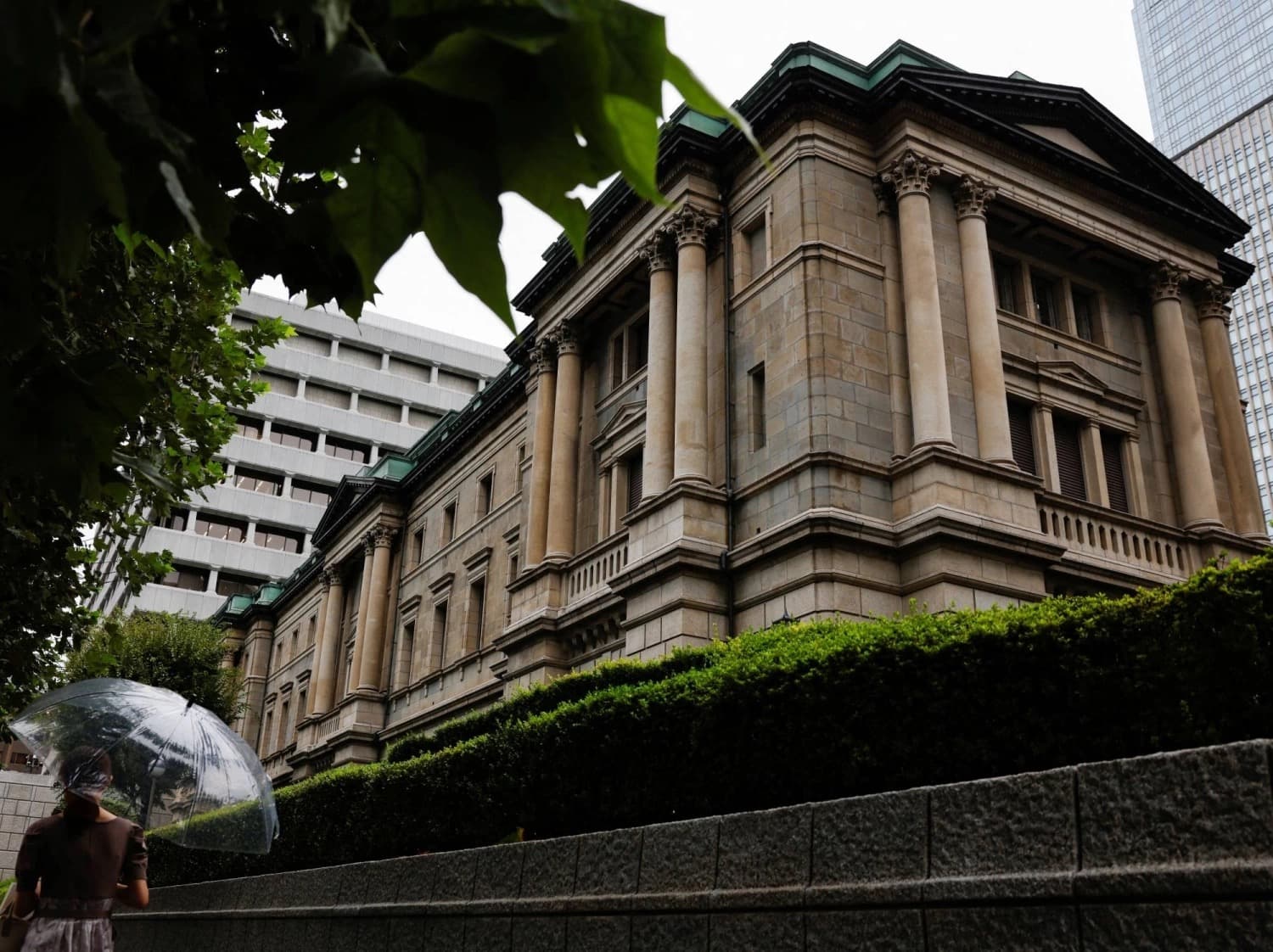
For years, taking out a variable rate mortgage in Japan was close to a default choice, a near guaranteed way to pay less over the life of a loan while the Bank of Japan kept borrowing costs pinned near zero. This week's rate decision is the latest reminder that assumption no longer holds as automatically as it once did, with the policy rate now sitting at levels unseen in three decades and continuing to climb through an active hiking cycle that began back in March 2024.
The practical effect shows up most directly in the mortgage market. Variable rate home loans that once started well under one percent for well qualified borrowers have crept up into the high zero point nine to one point one percent range at Japan's megabanks, while ten year fixed rate products have climbed above three point two percent. Those are not dramatic numbers by international standards, but for a country where households built financial plans around a near permanent era of ultra cheap credit, the direction of travel matters as much as the absolute level.
The old rule of thumb is getting shakier
Financial advisers in Japan have long told borrowers that variable rates almost always beat fixed ones over the long run, a rule of thumb built on decades of a central bank reluctant to raise rates at all. With inflation running persistently above the Bank of Japan's target and the bank now in a clear hiking posture, that guidance is being revisited. Some advisers now recommend borrowers stress test a prospective variable rate loan against a scenario where rates climb to around two percent, a exercise that would have seemed unnecessary only a few years ago but now reflects a genuine possibility rather than a remote tail risk.
Fixed rate products are drawing renewed attention as a result. A standard ten year fixed mortgage locks in protection against further hikes for its first decade before reverting to a variable structure, while Japan's Flat 35 product goes further, locking a single rate across the full thirty five year term and removing interest rate risk from the equation entirely, at the cost of a materially higher starting rate than a variable loan carries today.
A board that was already leaning this way
The tilt toward higher rates has been visible inside the Bank of Japan's own board votes for some time. Even back in July, when the bank opted to hold its rate steady, board member Hajime Takata dissented in favor of an immediate hike, an early signal that at least part of the committee wanted to move faster than the majority was initially willing to go. That internal pressure has clearly built since, culminating in the increase now in place.
Borrowers are not the only ones affected
Savers stand on the other side of the same shift, since a higher policy rate eventually filters through to better returns on ordinary bank deposits after years in which parking cash in a Japanese savings account paid next to nothing. That upside has been slower to reach ordinary savers than the downside has reached borrowers, a lag that is common whenever a central bank moves away from near zero rates, since banks tend to raise loan rates more quickly than they raise what they pay depositors.
For now, the practical advice circulating among Japanese financial planners boils down to running the numbers under more than one rate scenario before signing anything long term, a habit that had become almost unnecessary during the years of near zero rates and is now, quite suddenly, essential again.