The rescue is already unraveling. When Japan and the United States joined forces at the start of the month to yank the yen back from the brink of a 40 year low, the move landed like a thunderclap, sending the currency sharply higher and putting speculators on the back foot. Yet the shock has faded fast. Within days the yen had begun sliding again, and by the middle of the month it had given back roughly half of everything the intervention won. The question now hanging over Tokyo is what it does when the effect of a historic operation starts to wash away.
For the moment the answer is talk. Finance Minister Satsuki Katayama has reached for her firmest language yet, warning that Japan will not hesitate to act again and stressing that it remains in constant contact with the United States Treasury. It is the verbal half of intervention, the practice of trying to move a currency with words before spending a single yen, and Tokyo is deploying it heavily in the hope that the memory of the last operation will be enough to keep the bears at bay.
How far the yen had fallen
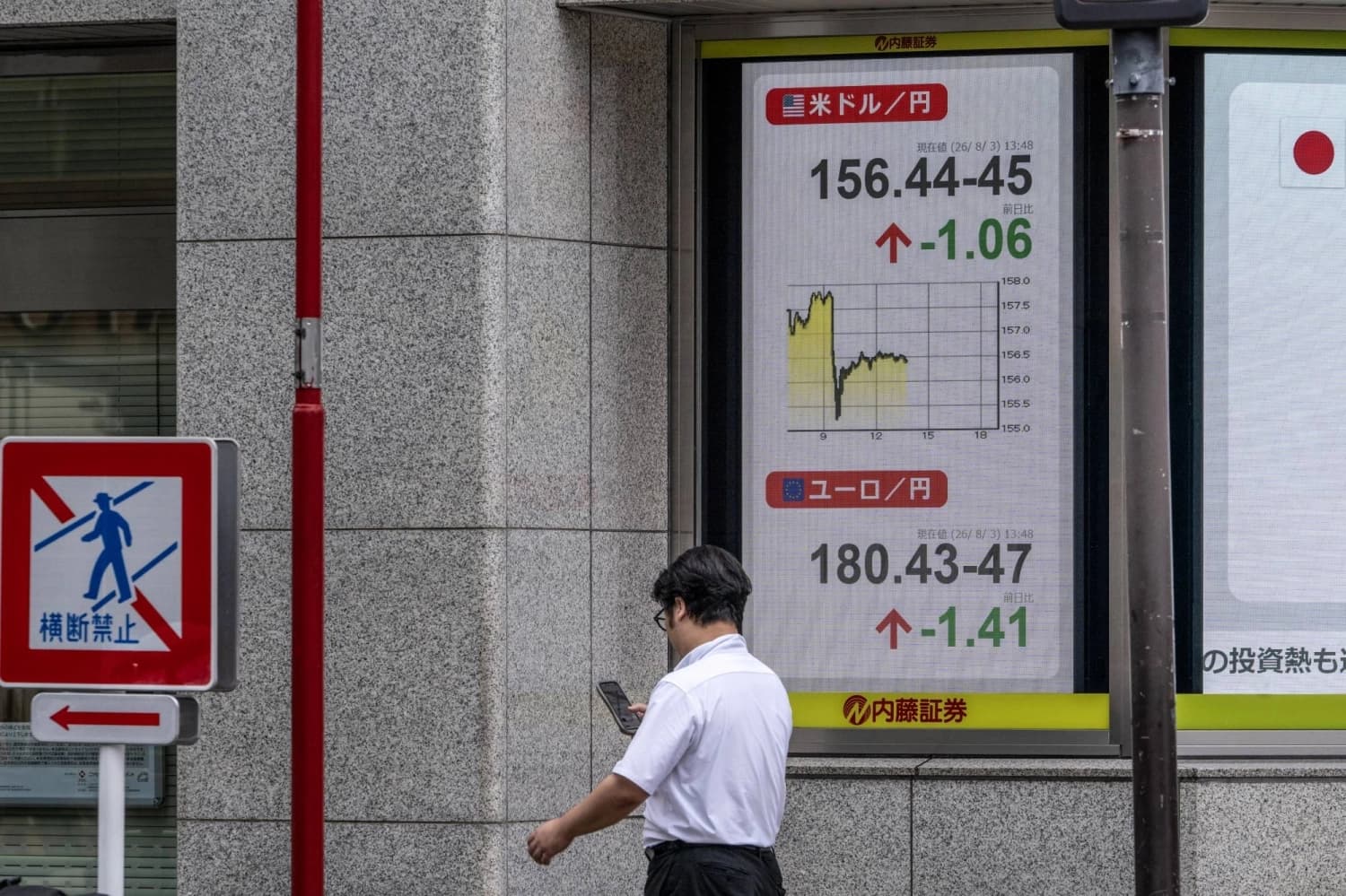
The scale of the recent swings tells the story. Before the authorities stepped in, the dollar had climbed above 163 yen, touching levels not seen in four decades and turning the currency's slide into a national embarrassment. The suspected intervention dragged it back under 160, and once the joint action was formally confirmed the dollar dropped about a further one percent, settling near the middle of the 156 range. For a few days it looked as though the tide had genuinely turned.
The relief did not last. The same forces that pushed the yen down in the first place never went away, and as the initial jolt wore off the currency drifted weaker once more, clawing back toward the levels that had alarmed the authorities to begin with. Intervention can win a battle in an afternoon, but it cannot on its own reverse the deeper current, and that current has been pulling the yen lower for years.
Why words lose their power
Verbal intervention works only as long as the market believes the threat behind it. The first time an official warns of decisive action, traders take cover. The second and third time, if no action follows, the warnings start to sound like bluff, and speculators grow bolder about betting against the currency precisely because they doubt the authorities will spend to defend it. Every threat that is not backed by money erodes the value of the next one.
That is the trap Tokyo now risks walking into. Having shown its hand with a dramatic joint operation, it has set a high bar for what counts as a serious response, and mere words may look thin by comparison. If the yen keeps weakening and the government keeps warning without acting, the gap between its rhetoric and its behavior will widen, and the market will read that gap as permission to keep pushing.
A threat to intervene is only as good as the willingness to spend behind it. Traders are paid to find out which threats are real.
The limits of even coordinated force
What makes this episode sobering is that the earlier intervention was not a lone Japanese effort but a rare coordinated one, with the weight of the United States behind it. Such cooperation is unusual and powerful, and the fact that even it has faded so quickly underlines how hard it is to fight the fundamentals. The yen is weak because Japanese interest rates sit far below those available elsewhere, and no amount of buying can close that gap for long while the underlying difference persists.
The authorities know this, which is why their strategy leans so heavily on timing and surprise rather than brute volume. By keeping the market guessing about when they might strike, they aim to inject enough fear into every position to slow the slide without having to spend continuously. It is a game of nerves as much as money, and its success depends on traders never being quite sure whether the next warning is the one that precedes real action.
A test of resolve
For Katayama and her counterparts in Washington, the coming weeks are a test of credibility. If they allow the yen to slip back to the levels that triggered the intervention without responding, they will have taught the market that the line in the sand can be crossed, and defending it later will cost far more. If they act again, they prove the threat was real but commit to an expensive and open-ended fight against forces larger than themselves.
Neither path is comfortable, and that is the bind a currency this weak creates. The intervention bought Japan time and a headline, but time is running short and the headline has already yellowed. Unless something shifts in the wider gap between Japanese and foreign interest rates, Tokyo will keep facing the same unwelcome choice between spending money it would rather keep and spending words that are steadily losing their bite. For now it has chosen words, and the market is listening closely to hear whether it means them.