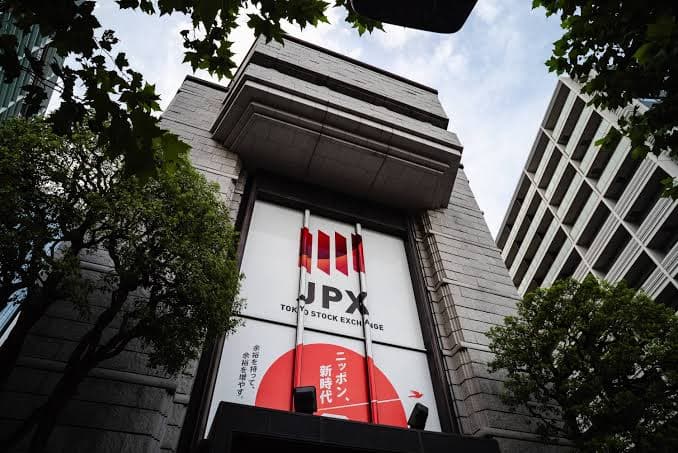
The yen has spent years sinking, and for most of that time Tokyo faced the markets alone. That changed this week, when Japan revealed that it had acted hand in hand with the United States to pull its currency back from a 40-year low. Finance Minister Satsuki Katayama confirmed on Monday that Tokyo and Washington had intervened jointly, a coordination between the two governments of a kind the currency world has not witnessed in decades and one that instantly reset the calculations of everyone trading the yen.
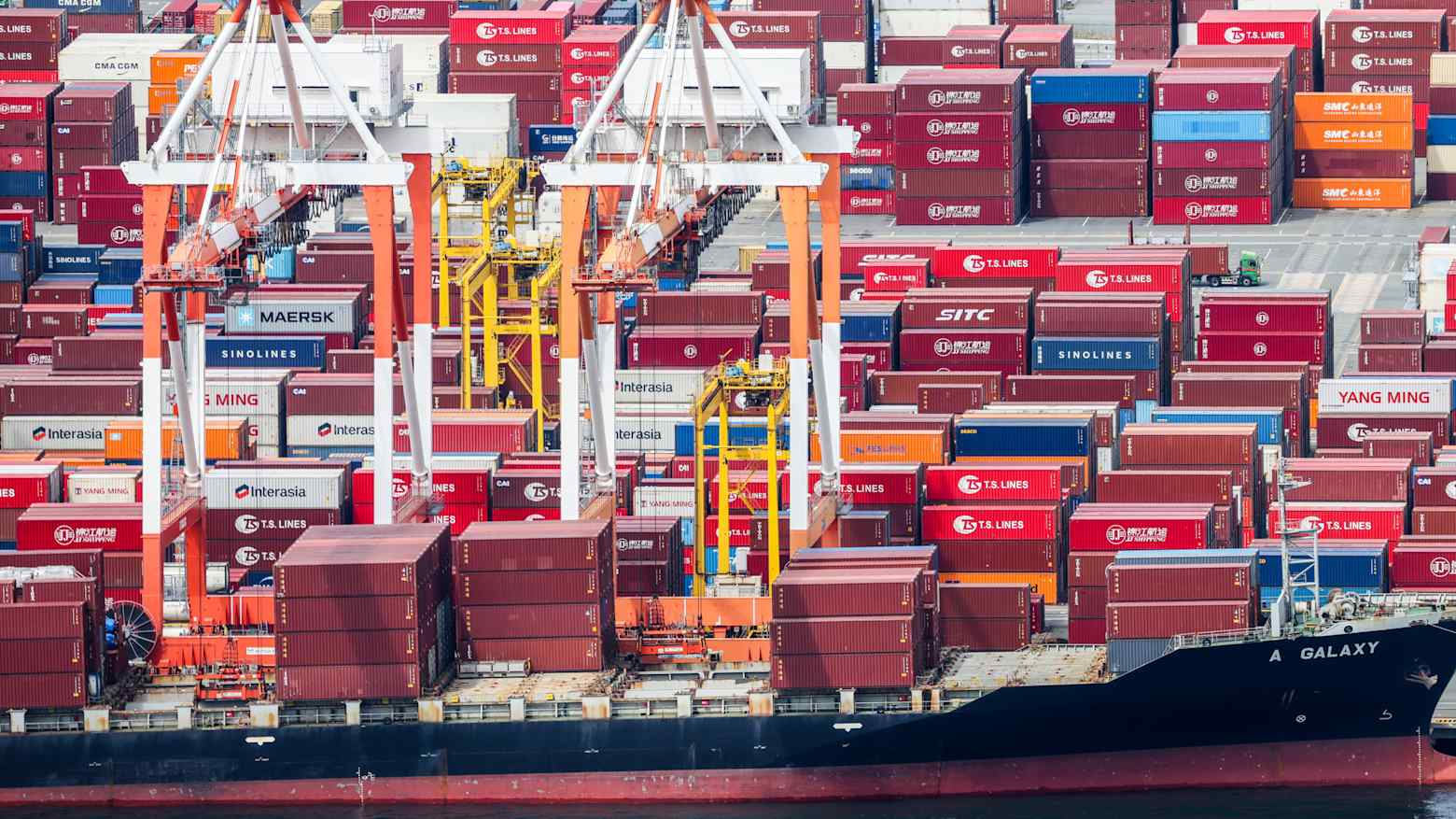
The scale of the effort was striking. On the last day of July, Japan's Ministry of Finance sold as much as 58.97 billion dollars to buy yen in a single session, a firepower that drove the currency to its largest one-day gain against the dollar since 2022. What made the moment historic, though, was not simply the size of the Japanese buying but the fact that the Americans were buying alongside them, turning a familiar solo operation into a genuine partnership.
Washington picks up the phone
The United States rarely lifts a finger to prop up another country's currency, which is what made its involvement so consequential. The Treasury told major banks to be ready for possible intervention, and the Federal Reserve Bank of New York went into the market itself, selling euros to buy yen through some of Wall Street's largest institutions. When the world's most powerful financial authority throws its weight behind a move like this, traders take notice in a way they never would for a lone national central bank.
The symbolism was underlined by Treasury Secretary Scott Bessent, who was photographed with a notepad that spelled out a plan to buy several billion dollars worth of yen. Bessent described the currency as badly undervalued and warned that the kind of wild swings it had been suffering were unhealthy for markets. Coming from the top of the American financial establishment, that language amounted to a public blessing for the campaign and a warning to anyone still shorting the yen.
A currency that had lost its footing
The intervention was a response to a long and painful slide. The yen had drifted steadily weaker for years, dragged down by the gap between Japan's cautious interest rates and the far higher yields available elsewhere, until it reached levels last seen four decades ago. A cheap yen flatters exporters, but taken too far it inflates the cost of everything the country imports, from energy to food, and squeezes households already coping with rising prices.
By the close of trading in New York at the end of last week, the currency stood at 157.40 to the dollar, capping one of its strongest recoveries after years of grinding decline. That rebound did not happen by accident. It was engineered, and the fact that it required two governments acting together says a great deal about how stubborn the downward pressure on the yen had become and how determined the authorities now are to break it.
Intervention works best when traders believe the people behind it will not blink. Two governments pulling in the same direction is a far harder wall to test.
A message aimed at the speculators
Much of the power of a joint intervention lies in psychology. Currency markets are enormous, and no government can hope to overwhelm them by brute force for long. What moves prices is belief, and the sight of Tokyo and Washington acting as one sends an unmistakable signal that betting against the yen has suddenly become far more dangerous. Speculators who had grown comfortable pushing the currency ever lower now have to reckon with the possibility of being run over by a coordinated response at any moment.
That uncertainty is precisely the point. By refusing to reveal exactly when or how hard they will act, the authorities force traders to price in the risk of intervention on every position, which itself helps steady the currency without a single dollar changing hands. The credibility built this week gives Tokyo and Washington a lever they can pull again, and the mere threat of doing so may prove as useful as the intervention itself.
What comes next
The harder question is whether cooperation in the market can hold the line against the deeper forces that pushed the yen down in the first place. Interventions can buy time and punish the reckless, but they cannot on their own close the interest rate gaps and growth differences that shape where a currency ultimately settles. Unless those underlying pressures ease, the authorities may find themselves back in the market again, testing how much of this week's momentum was durable and how much was a shock that fades.
For now, Japan has what it wanted, which is a firmer currency and a powerful partner willing to stand beside it. The alliance on display this week is unusual enough to make traders think twice, and that alone counts as a win for Tokyo after years of fighting the slide largely on its own. Whether it marks a genuine turning point or a hard-won pause will depend on what the two governments do when the next wave of selling arrives, and on whether the world believes they will do it together again.