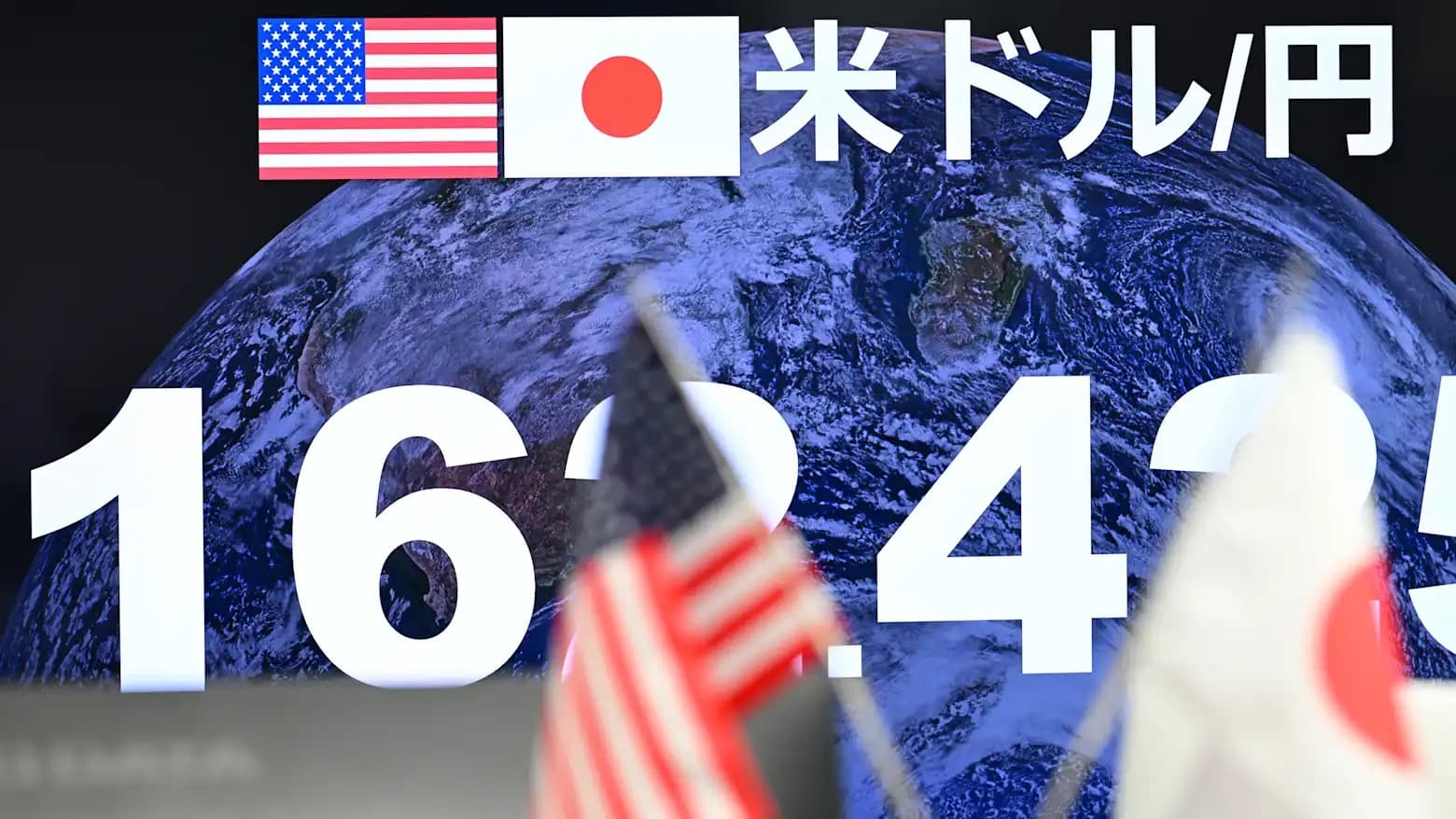
Japan's Ministry of Finance disclosed on Friday that it spent fifteen point three nine trillion yen, or roughly ninety six and a half billion dollars, buying its own currency between July 30 and August 26, making the round the largest single intervention Tokyo has ever carried out. The figures confirmed what traders had suspected for weeks, that authorities were stepping into the market repeatedly rather than relying on a single, one off show of force.
The scale of the spending eclipsed Japan's previous record, a seventy three billion dollar intervention carried out between April and May of this year. Taken together, the two rounds mean Tokyo has now committed something close to one hundred seventy billion dollars to supporting the yen in 2026 alone, an extraordinary sum that underscores how persistent the pressure on the currency has become even after the spring effort.
A defense that keeps getting more expensive
Each new intervention round has been larger than the last, a pattern that raises an uncomfortable question for policymakers: how much a government can realistically spend defending a currency against forces, including wide interest rate gaps with the United States and steady capital outflows, that no single bout of dollar selling can permanently resolve. Currency traders have increasingly treated Bank of Japan and Ministry of Finance warnings as a cost of doing business rather than a hard line, forcing authorities to back up their words with ever larger sums to have any lasting effect.
That dynamic is not unique to Japan. Rising cross border capital flows have made it harder for any single government to move exchange rates through intervention alone, a trend that has left several economies across Asia grappling with similar currency pressure even as Japan's case draws the most attention given the size of its bond market and its currency's outsized role in global trade financing.