Australia is preparing to raise the cost of breaking its world first ban on social media for children, with the government signaling that companies which fail to keep under 16 users off their platforms could face penalties twice as large as those already on the books.
The move sharpens a policy that has drawn attention far beyond Australia. Late in 2024 the country passed a law setting a minimum age of 16 for social media accounts, the first national rule of its kind, and gave platforms a year to prepare before enforcement began. With the rules now live, Canberra is making clear that it intends to treat compliance as a serious obligation rather than a box to tick.
What the ban requires
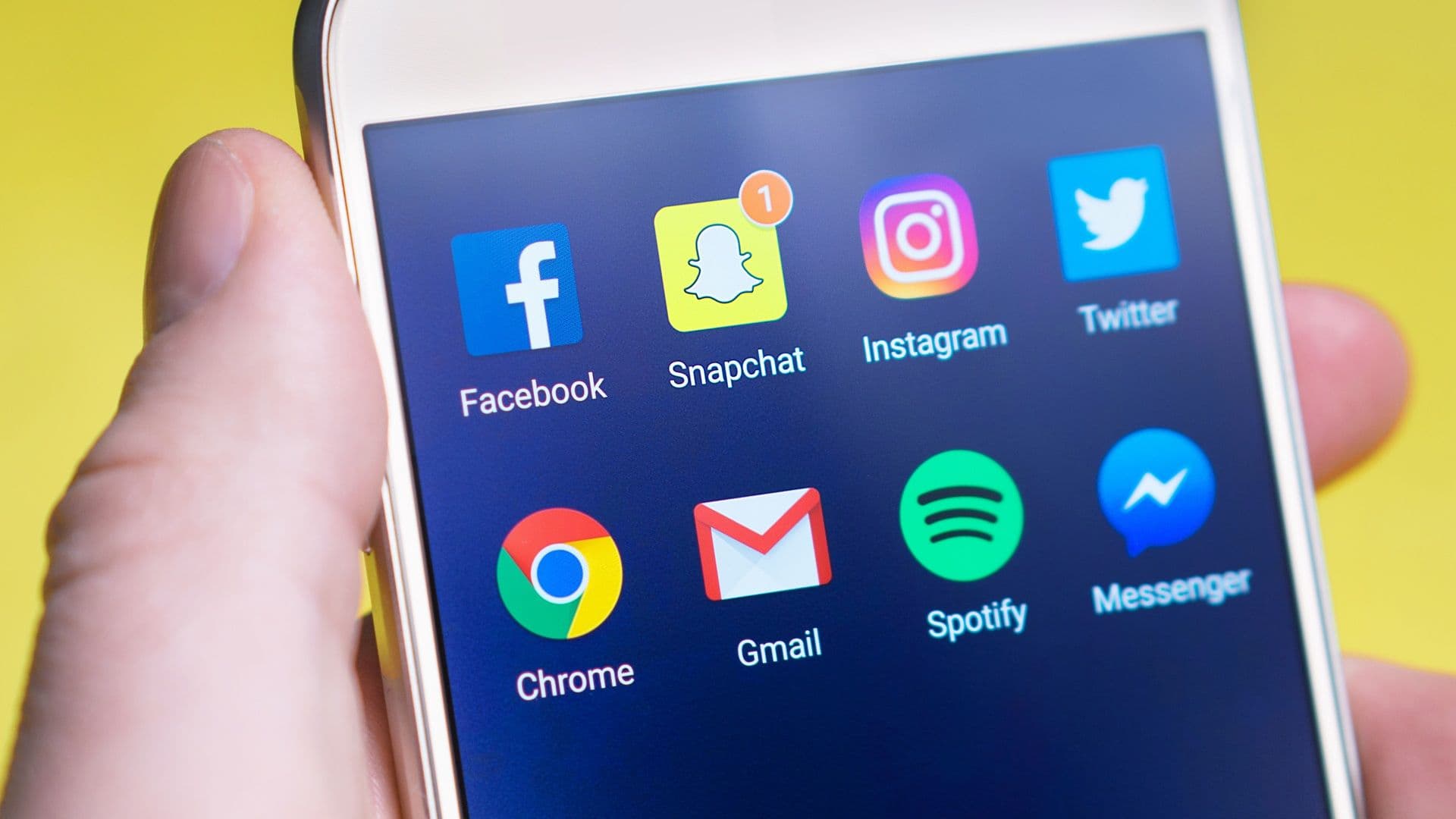
The law puts the responsibility on the platforms, not on parents or children. Companies are expected to take reasonable steps to detect and remove accounts held by people under 16, and to stop new ones from being created. The rules reach across the most widely used services, with Facebook, Instagram, TikTok, Snapchat, YouTube, Reddit, and Twitch all named among the platforms that fall within scope.
Enforcement sits with the eSafety Commissioner, the national online safety regulator, which has the power to investigate breaches and refer cases for penalties. The original framework allowed for fines reaching tens of millions of dollars for systemic failures, a figure designed to be large enough that even the biggest technology companies would take notice.
Doubling the deterrent
Now the government wants to push that ceiling higher. By moving to double the maximum penalties, officials are responding to a concern that some platforms have treated the threat of fines as a manageable cost rather than a reason to change behavior. A larger number, the thinking goes, is harder to absorb and harder to ignore.
The tougher stance reflects frustration that age checks remain uneven across the industry. Verifying how old a user is, without collecting more personal data than necessary, is a genuinely hard technical problem, and the platforms have argued as much. The government's answer is to keep the pressure on while leaving the details of how to comply largely to the companies themselves.
A test case the world is watching
Australia's approach has become a reference point for other governments weighing how to protect young people online. Regulators across Asia and Europe have studied the model, and similar debates about age limits and verification are unfolding in several markets at once. If the Australian rules can be enforced without simply pushing teenagers toward workarounds, other countries are likely to follow.
The harder questions are still open. Age verification at national scale has never been tried quite like this, and the risk of false positives, privacy trade offs, and determined teenagers using virtual private networks all remain. What is clear is that Australia has decided to lead, and that it is willing to raise the financial stakes for any company that treats the ban as optional.
For the platforms, the message from Canberra is direct. The age limit is not a suggestion, the regulator is watching, and the price of getting it wrong is about to go up.