A strong and shallow earthquake shook southwestern Japan on Tuesday, striking Kumamoto Prefecture with a magnitude of 7.1 and sending residents scrambling for safety in the middle of the afternoon. The quake hit at around 4:35 in the afternoon local time at a depth of roughly 10 kilometers, and its shallow origin meant the shaking at the surface was fierce, registering near the very top of Japan's seismic intensity scale in the areas closest to the epicenter.
Within minutes the authorities issued a tsunami warning for the Ariake and Yatsushiro seas, covering coastal stretches of Kumamoto, Fukuoka, Saga and Nagasaki prefectures. The alert sent people hurrying inland along the shoreline before it was lifted about an hour and a half later, once officials judged that the threat of a dangerous wave had passed. Even so, the tremors kept coming, with a string of aftershocks reaching magnitudes as high as 4.5.
Scenes of sudden destruction
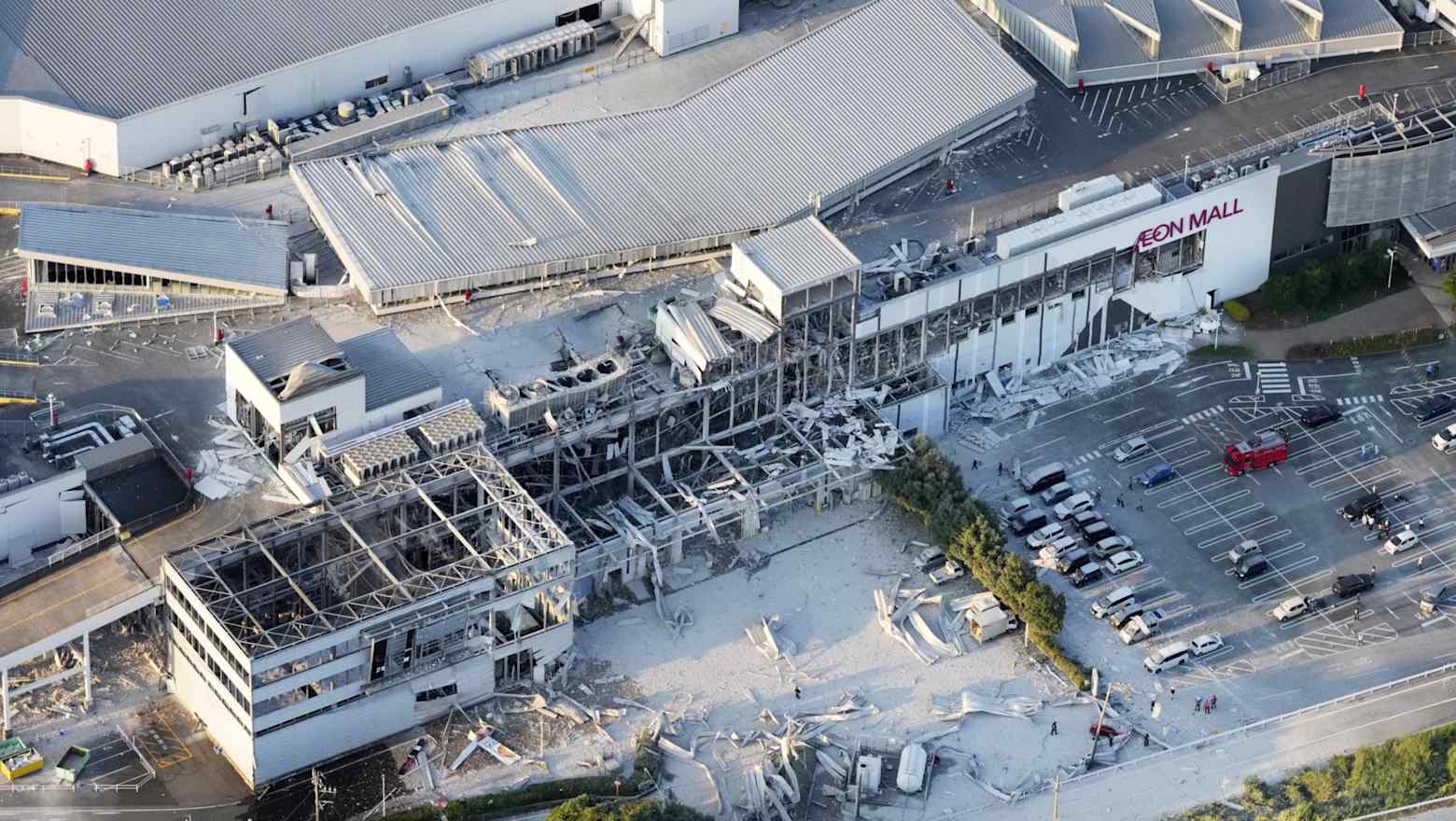
The most alarming damage appeared at a large Aeon Mall, where part of the second floor gave way in the shaking. Rescue teams rushed to the site amid fears that people had been trapped beneath the collapsed structure, and the scale of the failure was visible from the air, with twisted metal and debris scattered across what had been a busy retail complex. Injuries were reported in the immediate aftermath, though a full count was not yet available as emergency crews worked through the site.
Elsewhere the quake left its mark on one of the region's most treasured landmarks. A section of the stone walls at Kumamoto Castle crumbled once more, a painful echo for a monument that was badly damaged a decade ago and has spent years being painstakingly restored. Visitors at the castle were evacuated without harm. Around the prefecture, buildings caught fire, cracks split open across roads, and a freight train was reported to have derailed as the ground heaved.
Power, transport and factories halted
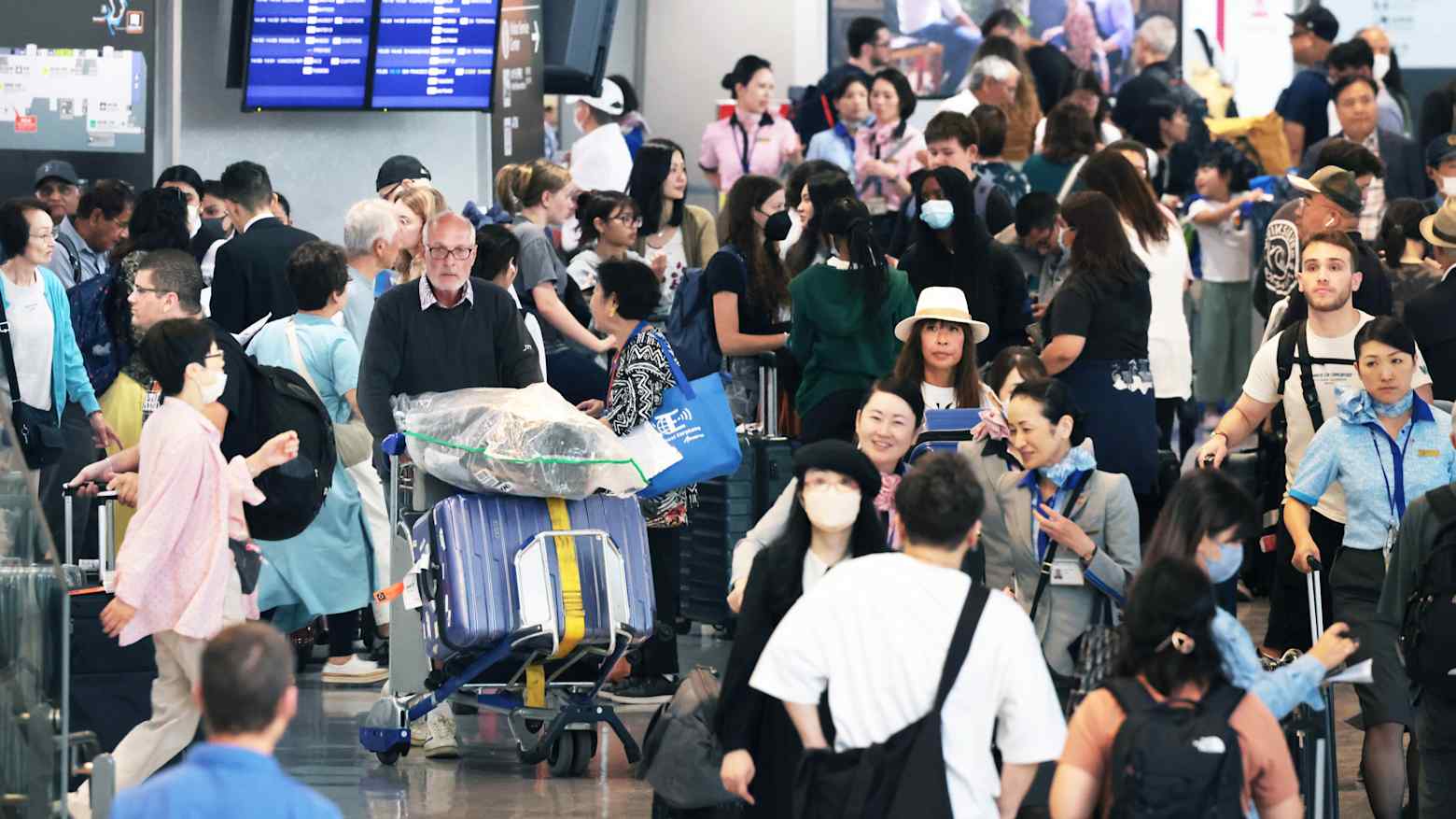
The disruption spread quickly across daily life. By early evening the utilities counted more than 48,000 households without electricity, and the transport network seized up almost entirely. The runway at Aso Kumamoto Airport was shut, and JR Kyushu suspended all of its rail services, including the Shinkansen bullet train, leaving travelers stranded and cutting the region off from its usual fast links to the rest of the island.
Industry felt the jolt as well. Kumamoto has become an important node in the global chip supply chain, and the TSMC factory in the area evacuated its staff once the shaking crossed the threshold that triggers a shutdown. Sony Group and Fujifilm also pulled workers out of plants in Kikuyo, the town near the epicenter that took some of the strongest shaking. The precautionary halts underscored how a regional disaster can ripple outward into supply lines that stretch far beyond Japan.
In a country that lives with earthquakes, the difference between a scare and a catastrophe often comes down to how well the buildings were built and how fast people move.
Government on alert
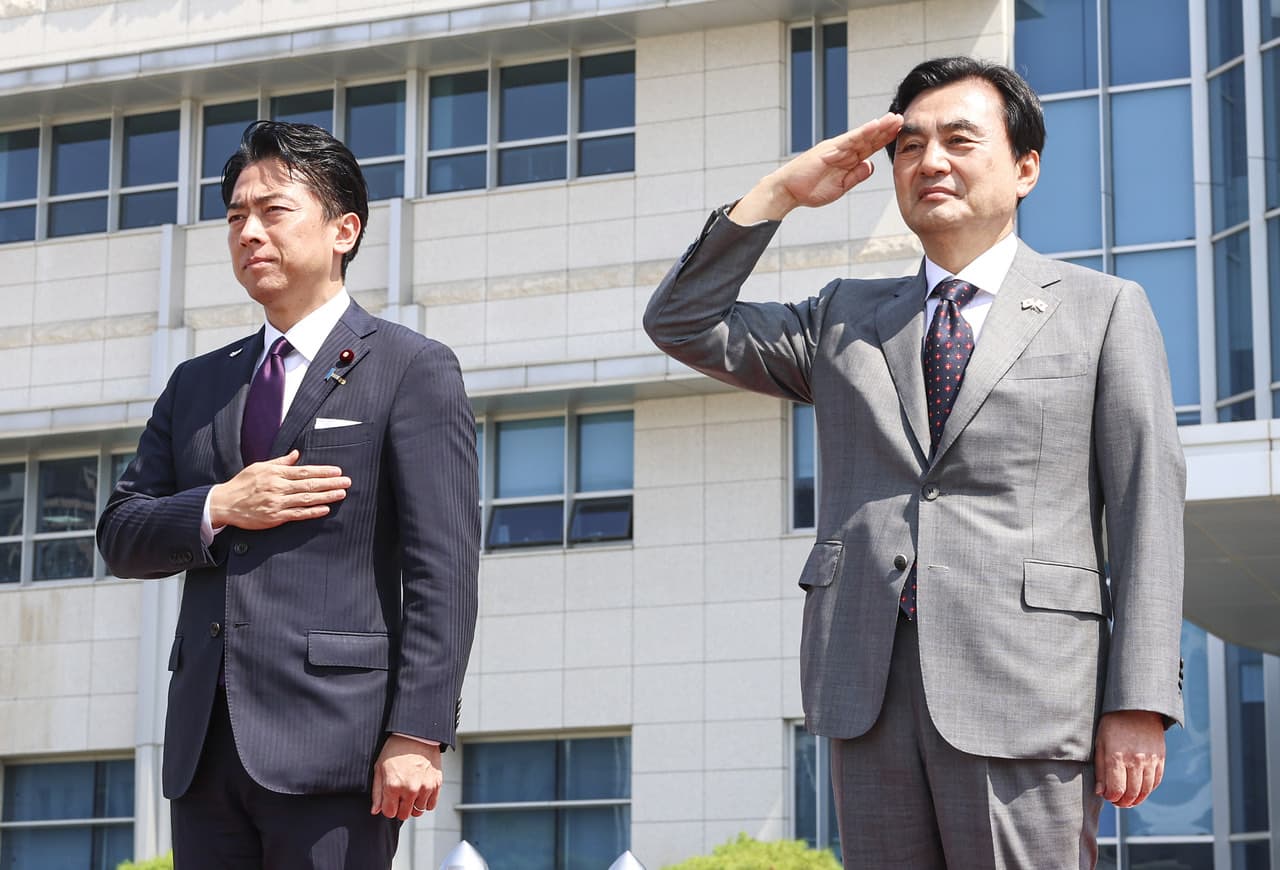
The central government moved swiftly to coordinate a response, convening an emergency team to gather information and direct relief. Chief Cabinet Secretary Minoru Kihara said that nuclear facilities in the region had not been affected, an early reassurance in a country where any large tremor immediately raises questions about the safety of its power plants. Officials urged residents to stay away from damaged structures and to be ready for further strong shaking.
Prime Minister Sanae Takaichi warned people in the affected area that quakes of a similar size could follow over the course of roughly a week, a caution grounded in hard experience. Japanese seismologists have long observed that a major shock can be a prelude rather than a finale, and the government pressed the point in the hope that residents would take shelter seriously even after the immediate danger seemed to ease.
A region that remembers
For the people of Kumamoto, the fear carries a specific memory. A devastating sequence of earthquakes struck the same prefecture in 2016, killing close to 300 people and leaving deep scars that the community has spent years working to heal. The sight of the castle walls tumbling again and of a mall torn open will revive that trauma, and the coming days of aftershocks will test nerves already strained by what the region has lived through before.
As night fell, the full extent of the damage remained uncertain, with rescue efforts continuing and officials still tallying the injured and the losses. What was clear was that Kumamoto had been dealt another heavy blow, and that the work of accounting for it, sheltering the displaced and bracing for whatever the fault might do next had only just begun.